
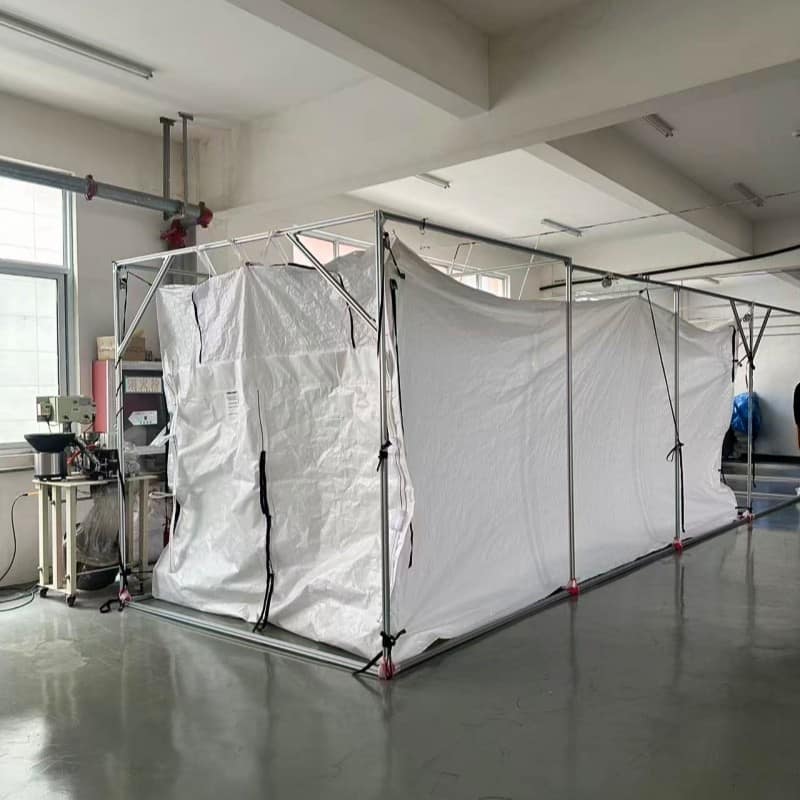
Each year, thousands of tons of plastic waste leave ports packed inside shipping containers, a significant fraction coming from single-use container liners discarded after a single voyage. Container liner waste reduction is more than a sustainability target; it is a direct consequence of material decisions in bulk packaging. Reusable thermal container liners, engineered to survive multiple transit cycles, can drastically lower the amount of packaging waste a supply chain generates. This article examines the waste footprint of standard disposable liners, shows how reusable alternatives perform over a lifecycle, and provides a practical framework for procurement teams aiming to cut material waste and associated costs.
What Waste Footprint Do Single-Use Bulk Liners Leave Behind?
In many bulk logistics operations, the standard approach is to install a new polyethylene film liner before loading, then strip and discard it at the destination. A 40-foot container liner made of 140-micron LDPE weighs roughly fifteen kilograms, and when multiplied across hundreds of shipments, the cumulative waste is substantial. Most of these liners enter the general waste stream because dedicated recycling channels for post-industrial liner film are rare outside major port clusters. Beyond the liner itself, the plastic tie-downs, filling spouts, and protective sheets often get disposed of in the same way. The environmental cost is not only the material landfilled; it is also the wasted manufacturing energy and transport fuel embedded in a product used once.
How Do Reusable Thermal Liners Drastically Cut Material Waste?
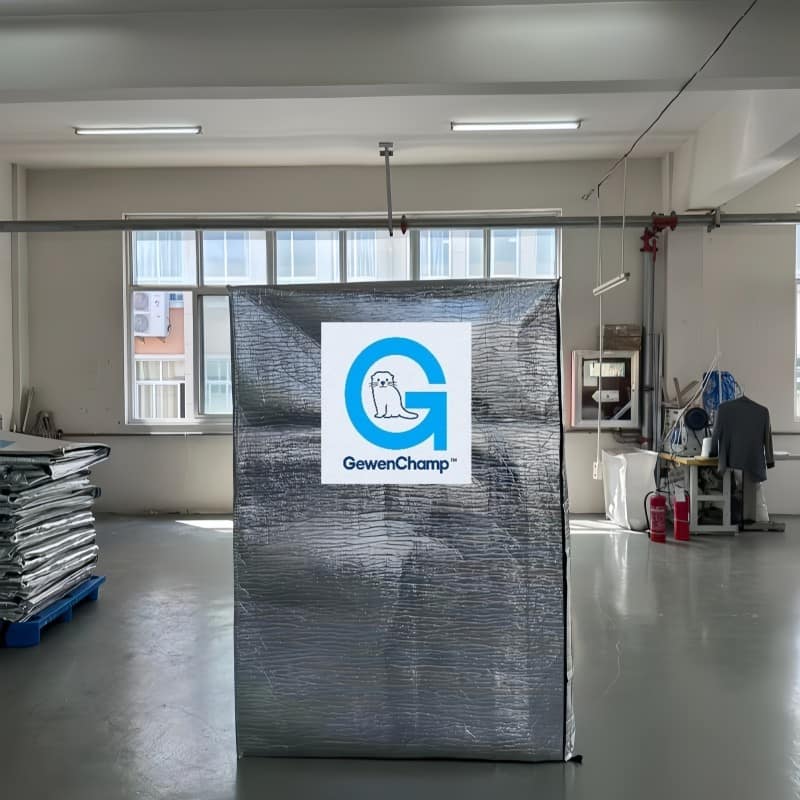
The shift from disposable to reusable liners changes the waste arithmetic immediately. A thermal container liner designed for repeated use, such as the TL-01 or TL-02 in the GewenChamp™ series, incorporates robust multi-layer construction that withstands multiple fill-and-discharge cycles. The TL-01 employs a woven polyethylene core laminated with aluminum foil on both sides, giving it the tensile strength to survive repeated loading while maintaining thermal reflectivity. Typically, these liners can be reused three to five times before the foil or fabric shows meaningful degradation. That means one liner displaces up to four disposable liners, cutting plastic waste per shipment cycle by up to 75%. The waste reduction effect is even more pronounced with TP-01 thermal pallet covers, which are rated for five to eight reuses. In our testing and customer feedback, liners that receive proper handling—avoiding forklift damage and abrasive cargos—can reach the upper end of their reuse range.
How Does Liner Reusability Compare Across a Lifecycle?
| Liner-Typ | Typical Reuses | Waste Generation per 1,000 Shipments (relative) |
|---|---|---|
| Standard single-use PE film liner | 1 | 1,000 liners discarded |
| TL-01 Woven Thermal Liner | 3–5 | 200–333 liners |
| TL-02 EPE-Schaum Thermischer Innenliner | 3–5 | 200–333 liners |
| TP-01 Thermischer Palettenbezug | 5–8 | 125–200 covers |
Reusable thermal liners shift the waste metric from “liners thrown away” to “liners amortized.” A shipment using a TL-02 liner, for instance, carries a per-trip material burden of less than one-third of the liner mass. This has a downstream effect on disposal frequency, procurement volume, and even storage space. If your program involves food or pharmaceutical cargo and you need documentation on reusability under FDA or LFGB standards, confirming the cleaning and reuse protocol with the manufacturer early can prevent compliance issues later—reach out at [email protected] for the relevant certificates.
What is the real waste difference between a single-use liner and a reusable thermal liner?
A single-use liner generates its full weight as waste each trip. A reusable thermal liner used four times spreads its material across four trips, so the per-trip waste drops to 25% of the liner mass. The cumulative waste reduction over a shipping season can reach 60–80% for high-frequency routes.
How many reuse cycles can a thermal container liner reliably deliver?
Most GewenChamp thermal liners are validated for three to five reuses under normal handling conditions. However, the number can vary with cargo abrasiveness, cleaning method, and the care taken during installation and removal. TP-01 pallet covers commonly reach eight cycles because they experience less direct abrasion from bulk materials, and we recommend inspecting the seals and fabric after the fifth trip to confirm suitability.
How Can You Integrate Reusable Liners into Your Waste Reduction Strategy?
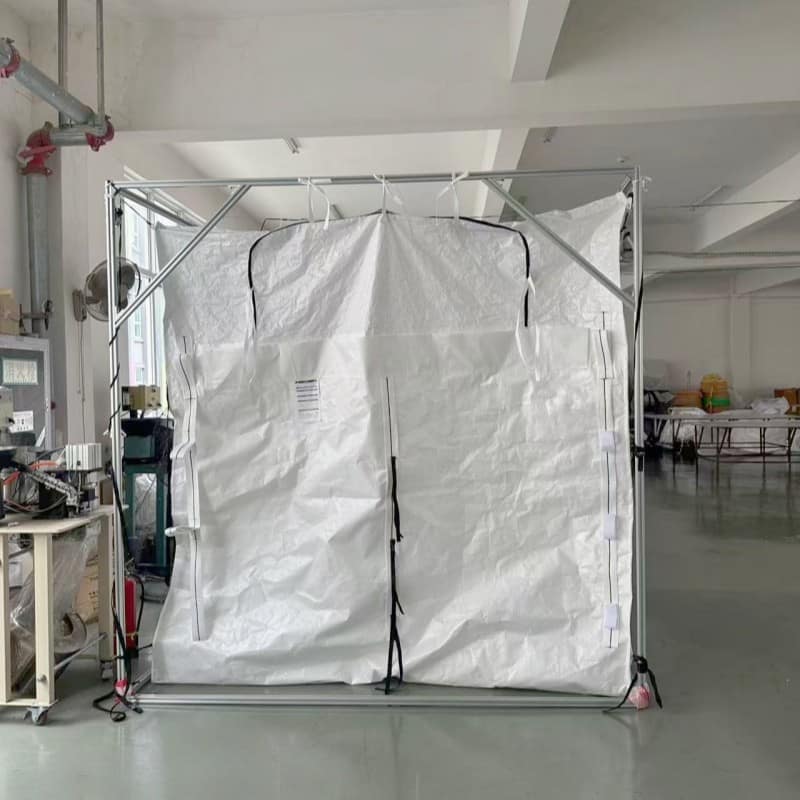
Moving to reusable liners is not simply a product swap; it requires adjusting logistics workflows. First, audit your current liner consumption: how many liners are used monthly, what are the disposal costs, and which shipping lanes carry the highest volume? Second, match cargo characteristics to the appropriate liner material—abrasive powders may call for the heavier-duty woven construction of TL-01, whereas food-grade powders might work well with the smooth interior of TL-02. Third, establish a reverse logistics loop if liners will be reused at the origin point; cleaning and inspection protocols must be documented. Finally, calculate the full cost comparison, including avoided waste handling fees and potential carbon credit advantages. Some clients we work with report that liner cost per container drops by 40–50% over twelve months when they migrate from disposables to reusables on steady lanes.
How Can You Start Lowering Packaging Waste Today?
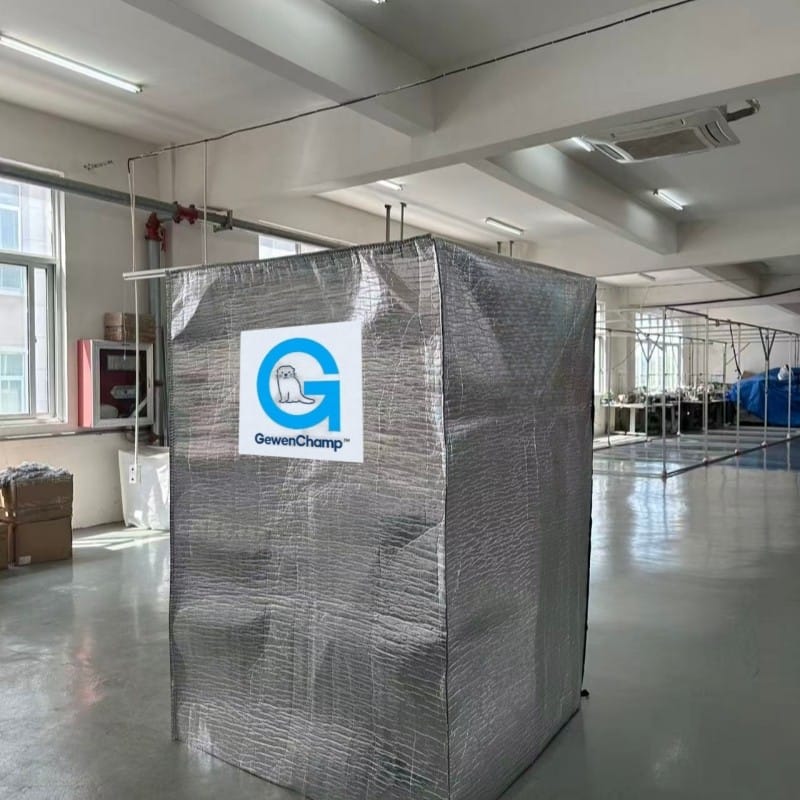
Every single-use liner tossed after a voyage adds not only landfill burden but hidden disposal and replacement costs to your P&L. Reusable thermal liners and pallet covers from the GewenChamp series have demonstrated in operational use that they can reduce plastic waste per shipment by 60–80%, while meeting the same thermal and barrier requirements as disposables. Getting started is straightforward: share your typical cargo, route frequency, and current liner volume. Our team will recommend the best reusable configuration and provide a waste reduction projection tailored to your operation. Contact Giant Flexpack at [email protected] or call +86 523 87683880.
What Do Procurement Teams Ask About Sustainable Container Liners?
Are reusable liners really cost-effective when you include cleaning and turnaround logistics?
Yes, on consistent shipping lanes of at least five trips per year, reusable liners typically deliver a lower per-shipment cost after factoring in cleaning and return transport. The higher initial purchase price is offset by the per-use material cost, which falls below that of a disposable liner after three to four cycles. The savings widen when disposal fees are added to the comparison.
How are thermal liners cleaned between uses?
Most reusable liners can be cleaned with mild food-grade detergents and a water rinse. The smooth metallized or polyethylene surfaces resist caking, reducing the labor required. For food-contact applications, we recommend a documented cleaning log and occasional swab testing to meet HACCP requirements.
Can reusable liners work with all cargo types?
It depends on the cargo. Reusable liners perform well with free-flowing dry bulk goods such as plastic pellets, grains, and chemical powders. Highly abrasive minerals like kaolin clay or materials that require extremely high temperatures may shorten reuse cycles. In those cases, we help shippers match the liner construction to the application, which sometimes means a shorter reuse expectation rather than none.
What happens when a reusable liner reaches the end of its life?
A common belief is that reusable liners simply become waste. In reality, many components can be separated: the aluminum foil layers are recyclable where facilities exist, and the woven PE core can be downcycled or used for energy recovery. While not fully circular, the multiple-trip design keeps significant material out of landfills compared to single-use alternatives. If your organization has strict waste diversion targets, we can discuss material recovery options. Send your volume and reuse expectations to [email protected], and we will outline a liner configuration that matches both your cargo protection and waste reduction goals.
 German
  English
  Spanish