
Container liners vs single-use bags represents a decision about total material consumption, carbon footprint, and cargo integrity, not just a packaging switch. Single-use plastic bags dominate small-volume packaging but a container liner can cut the total plastic mass per ton of cargo by up to 80% over a shipping cycle, and the gap widens when reusability is factored in. That material efficiency, layered with the ability to prevent product spoilage through thermal insulation, shifts the environmental balance decisively toward liners for bulk transport. This article draws from over fifteen years of direct experience with thermal packaging, dry bulk logistics, and container liner manufacturing to compare the two methods across lifecycle impact, material utilization, and real-world shipping conditions.
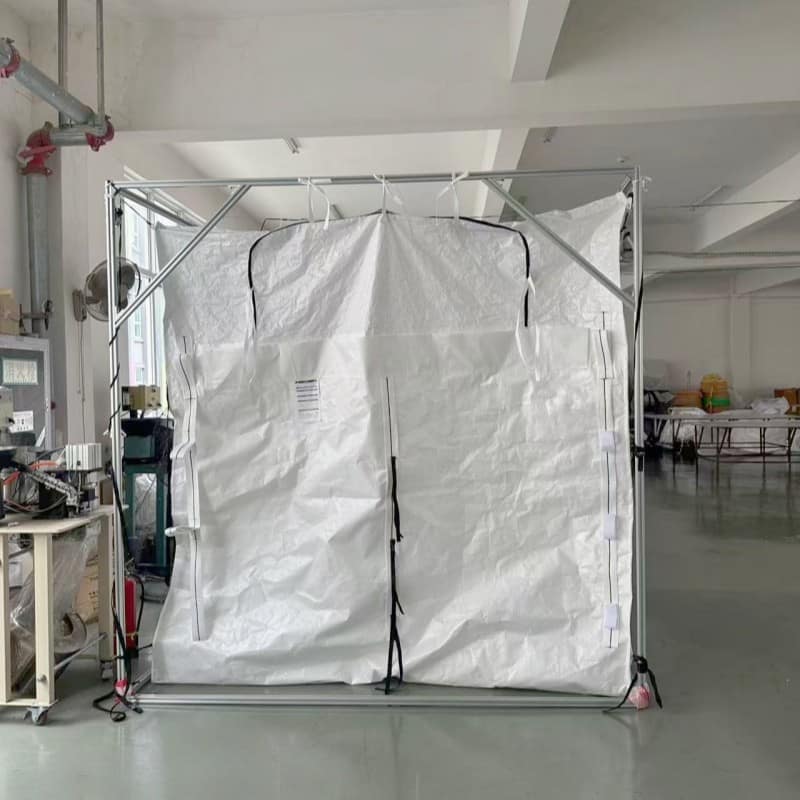
The Environmental Cost of Single-Use Plastic Bags in Logistics
Global production of single-use plastic bags is estimated at five trillion units per year, and a substantial fraction ends up in landfills or marine ecosystems after a single trip. These bags, typically lightweight polyethylene film, do not degrade in any practical timeframe, fragmenting into microplastics that persist for centuries. In a logistics context, the problem is compounded by volume: a single 20-foot container loaded with 25-kilogram bags of resin or grain can consume over 800 bags, each around 100 grams, yielding 80 kilograms of post-use plastic waste per shipment. When multiplied across global trade lanes, the cumulative material flow from bag-based packaging becomes a measurable environmental burden that many bulk shippers are now actively trying to reduce.
A Lifecycle Comparison: Container Liners vs Single-Use Bags
A fair environmental comparison must look beyond the weight of a single bag. The table below captures the key differences across production, use, and disposal for a typical 20‑ton shipment.
| Factor | Single-Use Plastic Bags (25 kg size) | Dry Bulk Container Liner (one-piece system) |
|---|---|---|
| Material consumed per container load | ~800 bags at 100 g each ≈ 80 kg | 15–40 kg per liner (e.g., Recubrimiento para contenedor de película PE DBL-F01) |
| Reuse potential | Designed for single use | 3–5 trips for many thermal and woven liners |
| End-of-life pathway | Typically landfill or incineration; recycling rates below 10% globally | Can be recycled as post-industrial plastic or repurposed into secondary packaging; some facilities offer take-back |
| Protective function | Basic barrier to dirt and moisture | Full moisture, dust, and sometimes thermal barrier, preventing cargo damage that would itself create waste upstream |
The lifecycle advantage of a container liner becomes visible when the functional unit is not one bag but one full container load across multiple voyages.
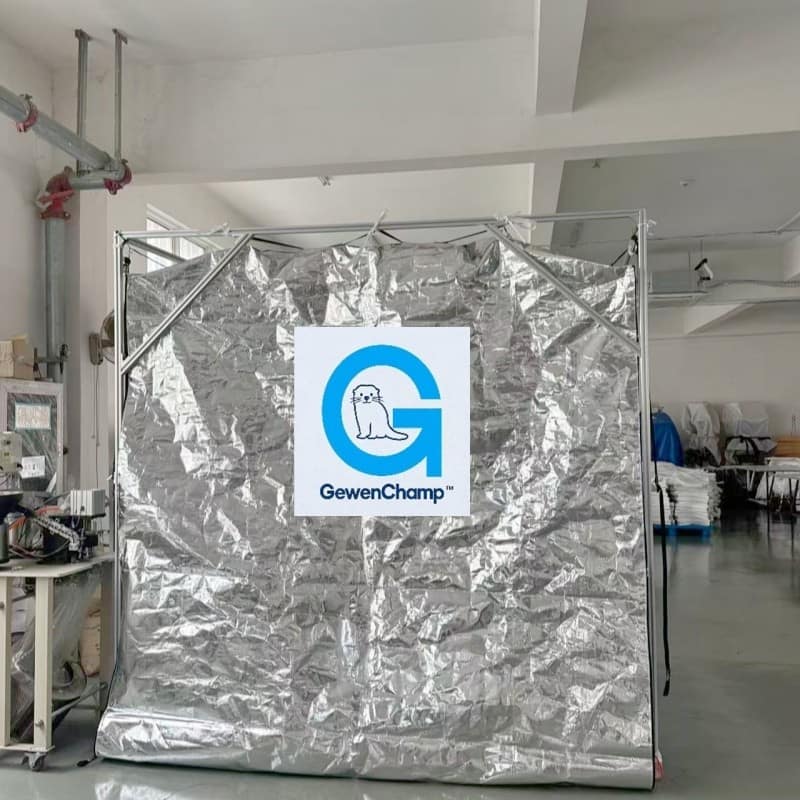
Material Efficiency: Why Container Liners Use Less Plastic Per Ton
The core environmental argument for container liners is material intensity per unit of cargo delivered. A standard 20‑foot container holding 20 metric tons of plastic pellets, if packaged in 25 kg bags, uses roughly 80 kg of plastic film. A single forro de contenedor a granel seco made of woven HDPE or LDPE film requires 15‑40 kg of material, a reduction of 50‑81 percent on the first trip alone. When the liner is reused three to five times, a realistic figure for fabrics like the TL‑01 woven thermal liner, the material consumption per trip can drop below five kilograms. This is not a marginal improvement; it is a structural shift in packaging efficiency that reduces both upstream production emissions and downstream plastic waste streams. For shippers managing thousands of containers annually, the cumulative material savings translate into lower purchasing volumes, fewer disposal events, and a smaller environmental footprint—advantages that single-use bag systems cannot match.
If your operation moves several hundred containers a year, quantifying the total material savings and the corresponding waste reduction is worth the effort. A tailored assessment based on your cargo type and route can clarify the numbers; email your annual volume and key destination lanes to [email protected].
Beyond Packaging: How Thermal Liners Cut Food Waste and Emissions
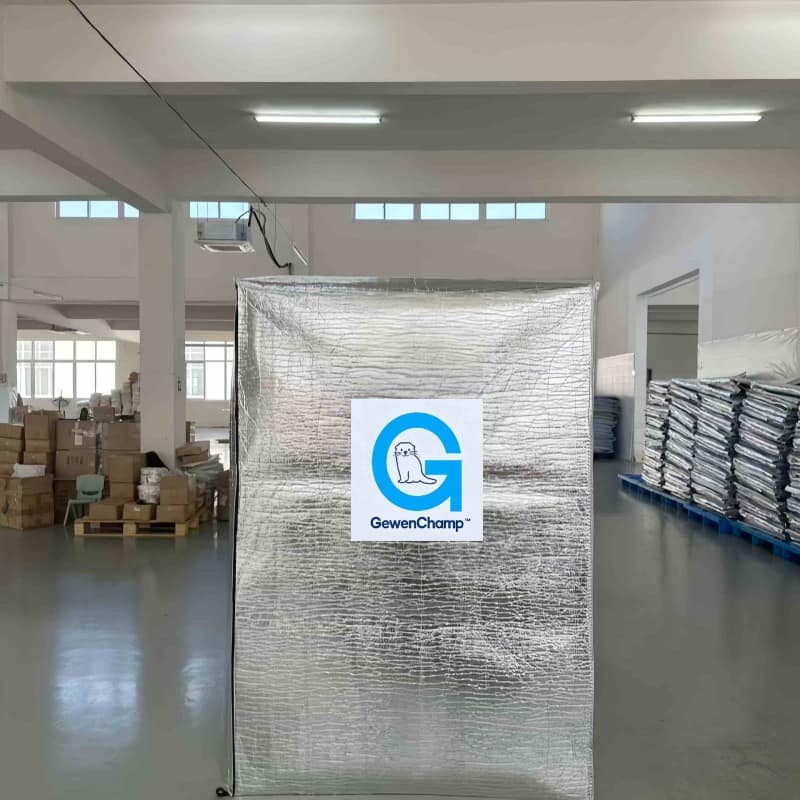
Evaluating container liners only as a packaging material misses a larger dynamic: cargo that spoils during transport carries an environmental penalty far heavier than the packaging that might have protected it. When a container of cocoa beans, chocolate, or bulk cooking oil overheats during a multi‑week sea voyage, the embodied energy, water, and raw materials used to grow and process that product are wasted outright. A revestimiento de contenedor térmico with an aluminum foil or MPET reflective layer and an insulating core—the GewenChamp TL‑02, for instance, uses a four‑layer composite that keeps temperature swings within ±5°C—can prevent that loss without any active energy input. The carbon footprint of the liner itself, amortized over multiple uses, is a fraction of the footprint of producing replacement goods. This upstream effect is invisible in a simple packaging‑weight comparison but dominates the real environmental ledger for any shipment of temperature‑sensitive bulk cargo.
Making the Switch: Practical Steps for Bulk Shippers
Moving from single‑use bags to a container liner system is not a trivial procurement change, but the operational sequence is well‑established. Start by matching the liner type to the cargo—dry bulk liners for free‑flowing granules, food‑grade PE film liners for FDA-compliant exports, and thermal liners when temperature control matters. Verify load‑cell compatibility and filling spout placement with the manufacturer, and test a pilot container with your existing loading gear. Suppliers with in‑house R&D and OEM capability, like Giant Flexpack, can fine‑tune the liner dimensions and attachments to your specific warehouse workflow, so the transition rides on existing handling equipment. Finally, factor in the downstream waste arrangement—whether the used liner will be returned, recycled, or repurposed—because closing that loop turns a one‑time efficiency gain into a continuous improvement driver.
Which Option Delivers a Better Environmental Return for Bulk Transport?
When the comparison is framed in terms of material mass per ton of cargo and downstream product protection, container liners outperform single‑use plastic bags decisively. The total plastic consumption per container load shrinks by at least half in a single‑use scenario and by over 90 percent when reuse is included; dozens of kilograms of bag waste per load disappear from the disposal chain; and for temperature‑sensitive goods, the avoided spoilage environmental cost dwarfs the liner’s own footprint. Single‑use bags remain a practical option for small‑lot, irregular shipments where the investment in a liner system is not justified, but for regular bulk movements, the environmental arithmetic favors liners across every meaningful metric.
Transitioning from single‑use bags to a container liner system requires evaluating your cargo type, shipping routes, and annual volume. A liner that cuts material use while protecting product quality can lift both your environmental performance and your total logistics cost profile. For a detailed discussion on integrating liners into your supply chain, send your cargo specs and approximate annual tonnage to [email protected] or call +86 523 87683880.
Common Questions About Container Liners and Environmental Impact
How many single-use bags does one container liner replace?
A single 20‑foot container load of granular material packed in 25 kg bags uses roughly 800 bags. One dry bulk container liner replaces that entire bag layer, cutting the packaging count to one unit. When the liner is reused across three to five trips, the replacement ratio multiplies, and a single liner can substitute for several thousand single‑use bags over its service life.
Can container liners be recycled?
cURL Too many subrequests by single Worker invocation. To configure this limit, refer to https://developers.cloudflare.com/workers/wrangler/configuration/#limits
cURL Too many subrequests by single Worker invocation. To configure this limit, refer to https://developers.cloudflare.com/workers/wrangler/configuration/#limits
cURL Too many subrequests by single Worker invocation. To configure this limit, refer to https://developers.cloudflare.com/workers/wrangler/configuration/#limits
cURL Too many subrequests by single Worker invocation. To configure this limit, refer to https://developers.cloudflare.com/workers/wrangler/configuration/#limits
cURL Too many subrequests by single Worker invocation. To configure this limit, refer to https://developers.cloudflare.com/workers/wrangler/configuration/#limits
 Spanish
  English
  German