
Organic food exporters shipping bulk commodities in ISO containers often spend weeks securing product organic certification, only to overlook the packaging that directly contacts the cargo. If the container liner lacks proper food-contact certification or the migration test data regulators expect, the entire shipment can be rejected at the destination port. My team has seen this happen with European-bound shipments where the liner supplier’s “food-grade” claim did not hold up under EU 1935/2004 scrutiny. Here, we walk through the packaging certifications that actually matter for organic bulk shipping, how to verify them, and what documentation keeps your audit trail intact.
Why Packaging Certification Matters for Organic Bulk Food
Organic certification for the food product itself is well understood, but packaging that touches organic cargo faces a parallel set of requirements. The USDA National Organic Program (NOP) requires that packaging materials not compromise the organic integrity of the product, and EU Regulation 2018/848 imposes similar traceability obligations. In practice, this means the container liner must not migrate substances into the food, introduce off-odors, or create conditions that foster contamination.
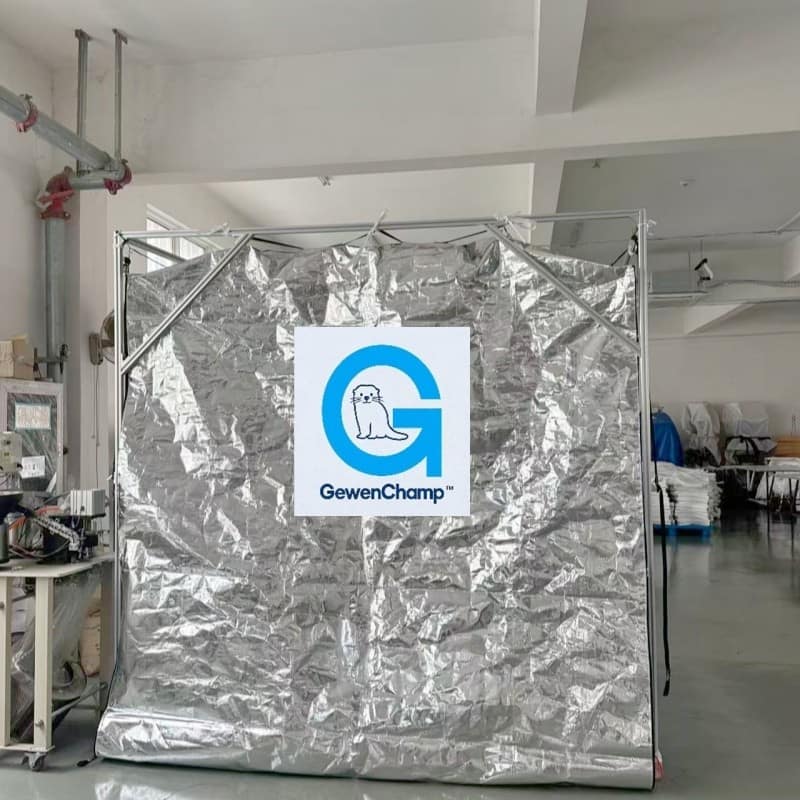
I’ve spoken with quality managers who assumed a standard industrial bulk liner would work because their cargo was dry grain. But organic certifiers look at the whole contact surface: if the liner contains recycled content without documented purity or uses additives not approved for food contact, they can flag it during inspection. The liner is essentially an extension of the food packaging system, so it inherits the same compliance burden.
The Food-Contact Certifications That Regulators Expect
The baseline for any liner used with organic food is food-contact material certification. The two most frequently requested are FDA and LFGB.
FDA compliance means the liner material meets U.S. Food and Drug Administration requirements under 21 CFR, typically sections covering indirect food additives and polymers. LFGB, the German Food and Feed Code, is the reference standard for the EU market and is more stringent in some areas, particularly around sensory testing and overall migration limits. A liner that holds both FDA and LFGB certificates, such as our GewenChamp™ thermal liners, gives exporters one less variable to manage when shipping to multiple regulated markets.
| Certificación | Alcance | What It Covers for Liners |
|---|---|---|
| FDA 21 CFR | United States | Indirect food additives, polymer composition, extractable limits |
| LFGB | European Union / Germany | Overall migration, sensory neutrality, specific substance limits |
| EU 1935/2004 | European Union | General safety framework for all food contact materials |
| REACH | European Union | Chemical substance restrictions, SVHC declarations |
| ISO 9001 | Global | Quality management system for manufacturing consistency |
Beyond FDA and LFGB, buyers should confirm that the manufacturer holds ISO 9001 as a minimum quality foundation. For liners that include adhesives, coatings, or laminated layers, the certifier will often request REACH SVHC declarations to verify no Substances of Very High Concern are present.
Organic-Specific Requirements That Go Beyond Food-Grade
Having an FDA or LFGB certificate is not the end of the question. Organic standards add a layer that generic food-contact certification does not address on its own.
The NOP requires that packaging materials be on the National List if they contain synthetic substances that contact organic products. For container liners, this typically applies to additives like slip agents, anti-static coatings, and UV stabilizers. The certifier may ask the manufacturer to disclose the full formulation, including additive percentages, and confirm that no prohibited substances are used. I have worked with producers who needed to switch from a standard anti-static liner to an untreated PE version because the antistatic agent was not cleared for organic contact.
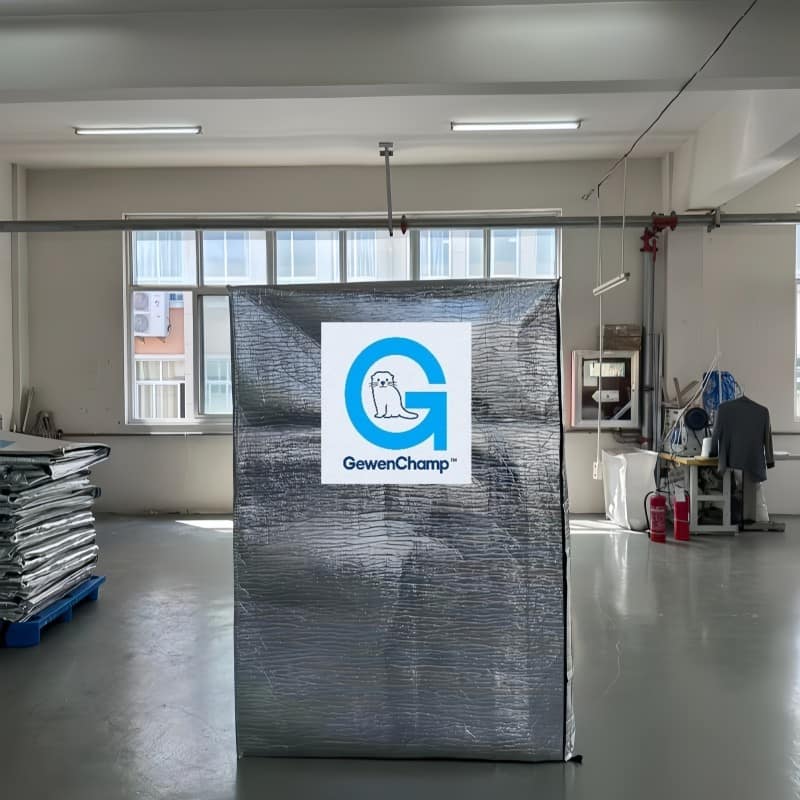
Under EU organic regulations, the principles of organic production extend to processing aids and packaging that could affect the organic character of the food. The certifier will evaluate whether the packaging material could contaminate the product with GMO-derived residues or synthetic preservatives. This is where migration testing becomes the deciding document.
If your program involves multi-ingredient organic products or you ship to both the U.S. and EU, the packaging qualification path can become difficult to map alone. We consistently see that the gap between “food-grade” and “organic-compatible” is where shipments get held, and it is worth confirming the specific additive profile of your liner before finalizing your BOM — reach out at [email protected].
How to Verify Your Supplier’s Certification Claims
A generic statement that a liner is “suitable for food contact” is not sufficient. The certifiable proof consists of three documents that should correspond to the exact product SKU you are buying.
First, the actual certificate issued by an accredited third party, with scope clearly listing the liner material and construction. Second, the test report that backs the certificate, showing measured values for overall migration, specific migration of restricted substances, and, where applicable, sensory panel results under LFGB. Third, the manufacturer’s declaration of composition, ideally signed and dated, listing all layers and additives.
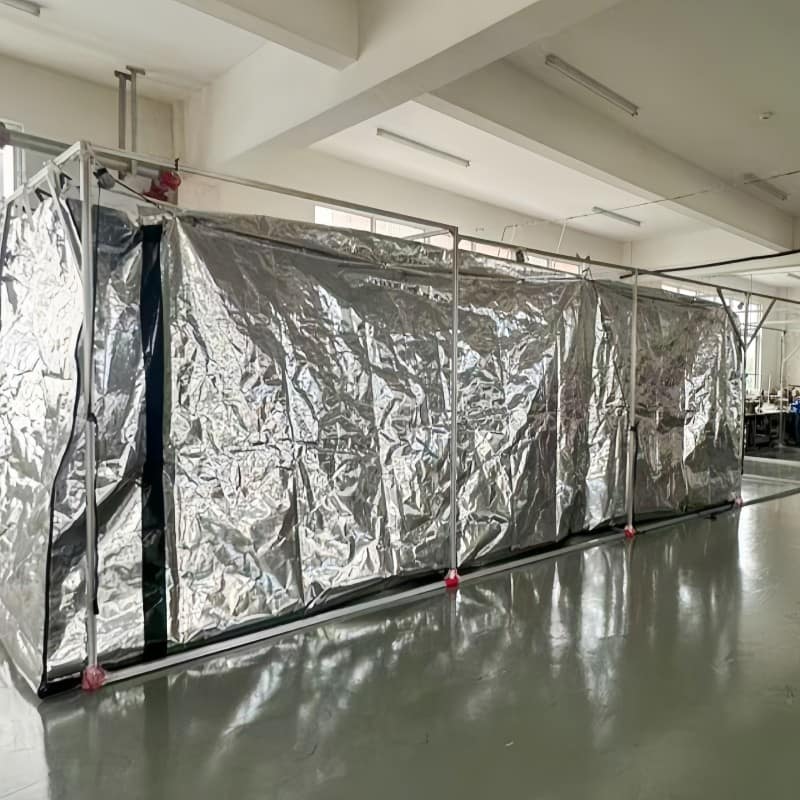
We provide these documents as a standard package with our food-grade liners, and I recommend asking for the same from any supplier. If a producer cannot produce a test report with the certificate, you are relying on a claim without a measurement behind it. The organic certifier will not accept that.
The Documentation Trail Organic Auditors Need
During an organic audit, the auditor will trace the packaging material back to its source. They will want to see a purchase specification that references the liner’s food-contact certification, a certificate of analysis or conformance for the lot received, and a record that links the liner batch to the specific organic shipment.
I have seen audit findings where the liner was properly certified but the purchase order simply said “bulk liner” with no reference to the food-contact standard. That created a gap in the traceability chain that took weeks to close with a corrective action. The simplest fix is to embed the certification reference directly into the supplier agreement, for example: “Container liner must be FDA 21 CFR compliant and LFGB certified, supported by third-party migration test report.”
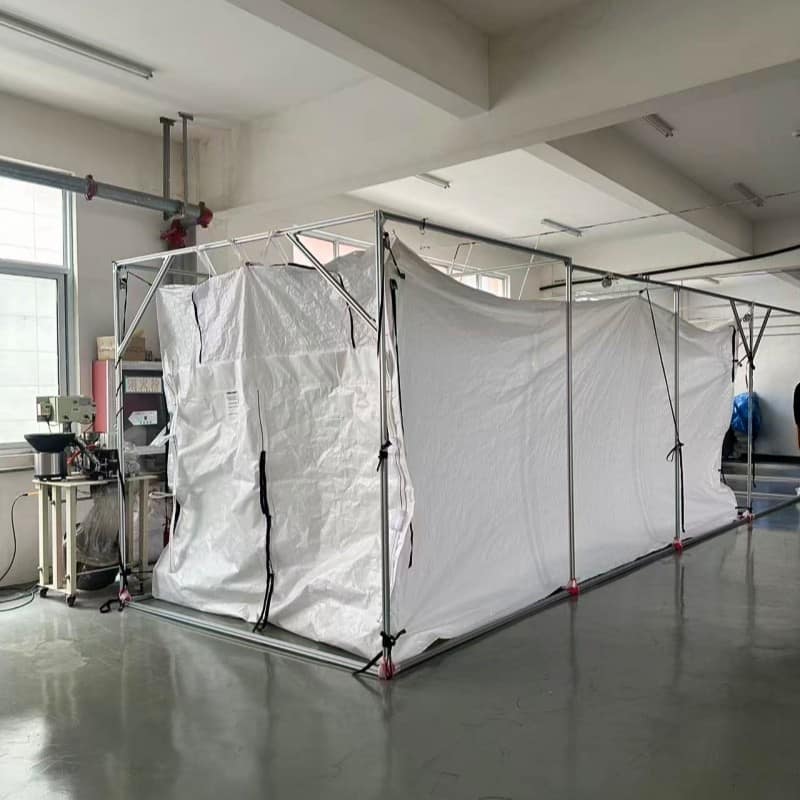
For exporters handling both organic and conventional cargo, the auditor will also check that organic shipments use dedicated liners or that a documented cleaning and segregation protocol exists. Single-use liners eliminate the cross-contamination question entirely and make the audit trail cleaner.
Thermal and Moisture Protection as Organic Integrity Tools
Temperature spikes and condensation are not usually framed as organic compliance issues, but they should be. When organic grain or powder absorbs moisture inside the container, it can promote mold growth, which organic standards view as a contamination event. If mold is detected at destination, the entire lot can be decertified.
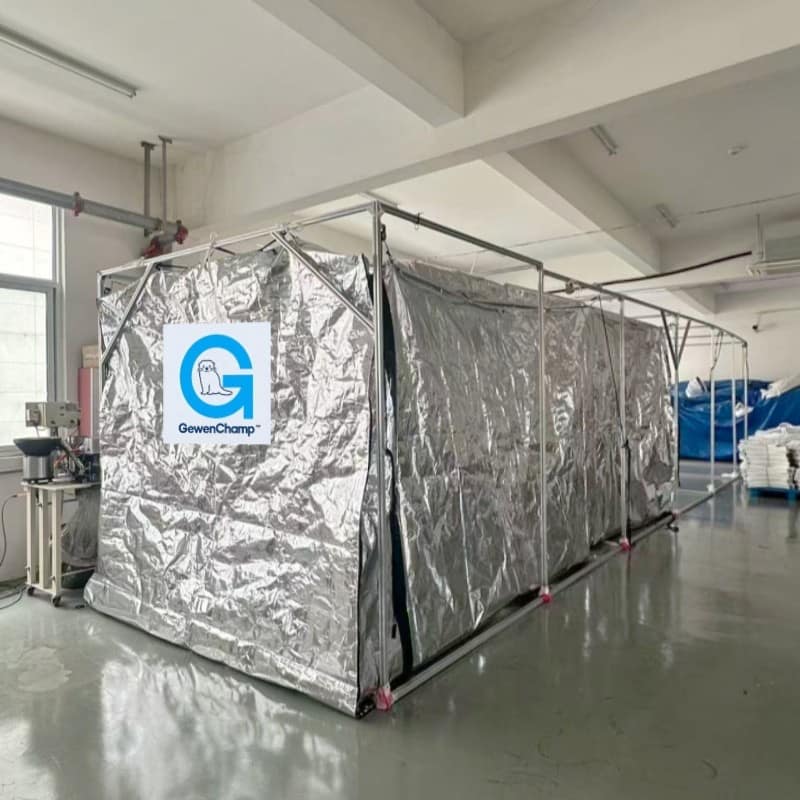
A well-designed thermal container liner such as the GewenChamp TL-02, with its 4-layer construction including a 3mm EPE foam core, suppresses temperature swings and reduces the condensation risk that triggers mold. The reflective outer layer also cuts radiant heat absorption during tropical transit legs. This is not just a quality improvement; it is a proactive measure that protects the organic status of the cargo. For long-haul shipments crossing multiple climate zones, the liner’s thermal performance becomes part of the compliance strategy.
Organic Bulk Packaging Certification: Moving Forward with Confidence
When organic food moves in bulk, the container liner is part of the food-contact system. Regulators in the U.S. and EU expect that system to be documented, tested, and traceable. A liner with FDA and LFGB certification, supported by a current migration test report, addresses the core regulatory requirements, and disclosing the additive profile closes the gap that generic food-grade claims leave open.
If you are preparing an organic shipment and need to confirm that your liner certification package will pass a certifier’s review, we can walk through the documentation for your specific route and product. Send your cargo type and destination to [email protected] or call +86 523 87683880, and we will review the certification fit and provide the relevant test reports.
Common Questions About Packaging Certification for Organic Bulk Food
Is a container liner required to have its own organic certification?
No, there is no standalone “organic packaging” certificate. Instead, the liner must comply with food-contact regulations recognized by the organic standard, such as FDA or LFGB, and the manufacturer must provide documentation that proves it does not introduce prohibited substances. The organic certifier evaluates the packaging within the overall organic system plan.
cURL Too many subrequests by single Worker invocation. To configure this limit, refer to https://developers.cloudflare.com/workers/wrangler/configuration/#limits
cURL Too many subrequests by single Worker invocation. To configure this limit, refer to https://developers.cloudflare.com/workers/wrangler/configuration/#limits
cURL Too many subrequests by single Worker invocation. To configure this limit, refer to https://developers.cloudflare.com/workers/wrangler/configuration/#limits
cURL Too many subrequests by single Worker invocation. To configure this limit, refer to https://developers.cloudflare.com/workers/wrangler/configuration/#limits
cURL Too many subrequests by single Worker invocation. To configure this limit, refer to https://developers.cloudflare.com/workers/wrangler/configuration/#limits
cURL Too many subrequests by single Worker invocation. To configure this limit, refer to https://developers.cloudflare.com/workers/wrangler/configuration/#limits
 Spanish
  English
  German