
Container liner solutions give freight forwarders and trading companies a tangible way to increase the value they provide to shippers. When you can offer a reliable packaging system that protects cargo from moisture, temperature swings, and contamination, you move from being a logistics coordinator to a solutions provider. We have seen firsthand how intermediaries who incorporate container liners into their service portfolio win larger contracts and build deeper customer loyalty. This article explains the liner types, manufacturer selection criteria, and integration steps that make container liner solutions a practical and profitable addition to your operations.
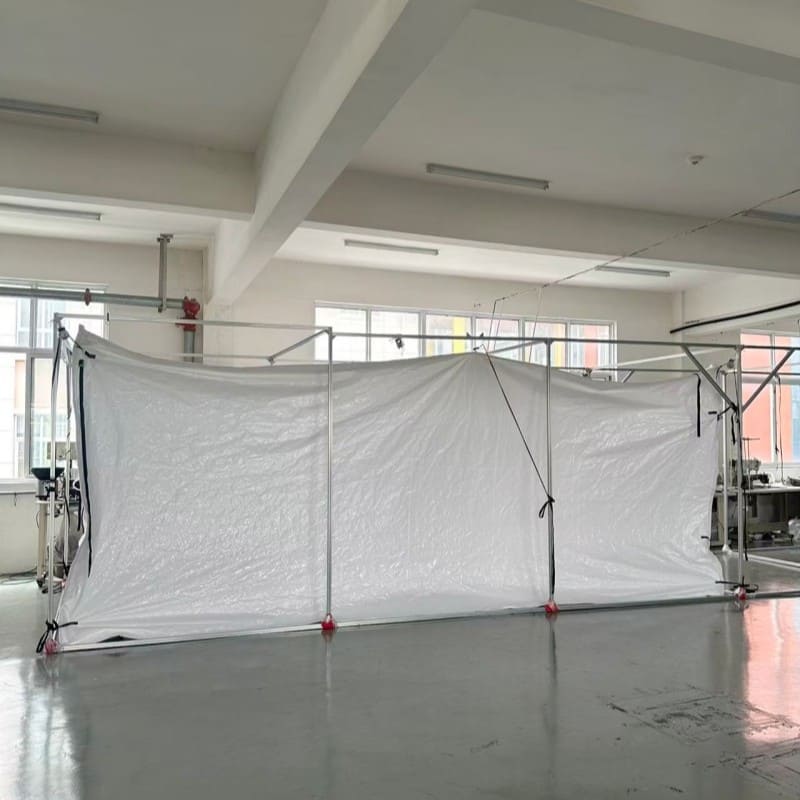
Why Offering Container Liner Solutions Strengthens Your Logistics Business
Bulk cargo shipped in an unprotected container absorbs moisture from humid air, sweats under temperature swings, and risks contamination from residual loads. For a freight forwarder or trading company, that risk translates straight into cargo claims, insurance disputes, and lost clients. When you offer container liner solutions as part of your logistics package, you reduce those risks for your clients and give yourself a clear differentiator in a competitive market. In our factory, we often see intermediaries win repeat business from shippers who appreciate a single point of contact for both transport planning and cargo protection. Whether your client ships plastic pellets, food ingredients, or temperature-sensitive chemicals, the right container liner prevents losses that far exceed the cost of the liner itself. The return on investment becomes evident after just a few shipments, and the added service strengthens long-term partnerships. More importantly, a trading company that can advise on liner specifications, certifications, and installation positions itself as a technical partner rather than a simple agent.
What Container Liner Types Should You Recommend to Shippers?
To provide effective container liner solutions, you need a working knowledge of the two main categories: dry bulk liners and thermal insulation liners. Dry bulk liners, typically made from woven HDPE or LDPE film, create a clean, moisture-resistant barrier for granular and powdered cargo. Thermal liners use reflective foils, foam cores, or bubble layers to stabilise temperature and block condensation. The right recommendation depends on your client’s cargo type, transit time, and climate exposure.
| Liner Type | Material Structure | Key Performance | Best Application |
|---|---|---|---|
| Thermal (TL-01) | Woven PE + double-sided aluminium foil laminate | 95–97% radiant heat reflection, ±5°C stability | General temperature-sensitive dry cargo |
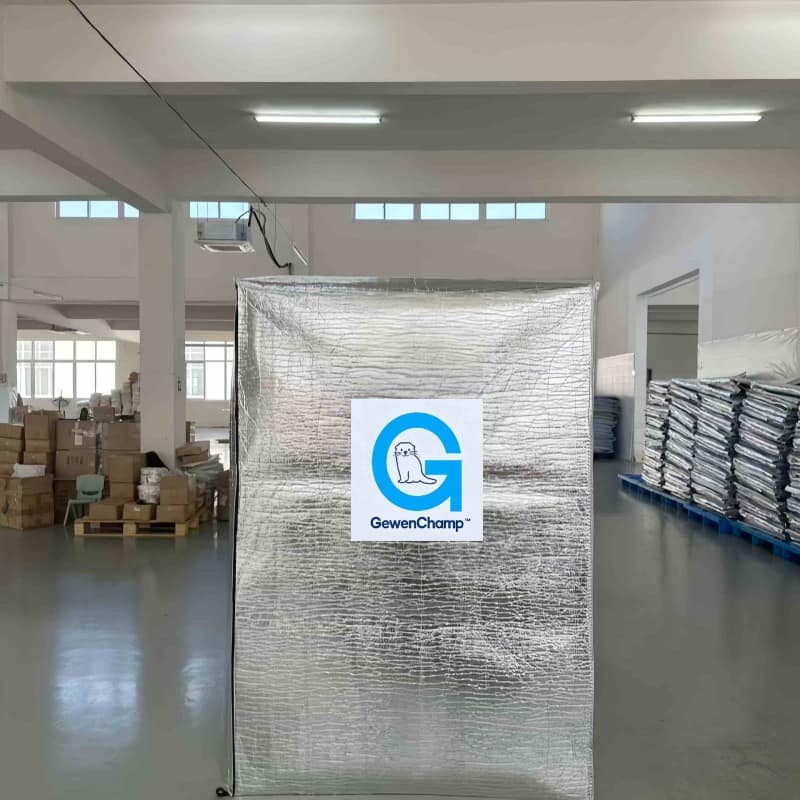
| Thermal (TL-02) | PET aluminium foil / woven PE / 3mm EPE foam / PET aluminium foil | Thermal conductivity ≤0.038 W/(m·K), -50°C to 80°C | Pharmaceuticals, chemicals, extreme climates |
| Thermal (TL-03) | MPET / double bubble cushion / PET MPET | 98% radiant heat reflection, shock absorption | Frozen food, vaccines, electronics |
| Thermal (TL-04) | Metallised PET film / PE film composite | Lightweight, cost-efficient, 24–48 hour protection | Fresh produce, standard pharma, electronics |
| Dry Bulk (DBL-W01) | 140gsm HDPE woven fabric | Tensile strength 1,800 N/5cm, 10–30 ton loads | Grains, fertilisers, construction materials |
| Dry Bulk (DBL-F01) | 140-micron LDPE blown film | 100% moisture and dust barrier, smooth discharge | Food powders, chemical pellets, agricultural goods |
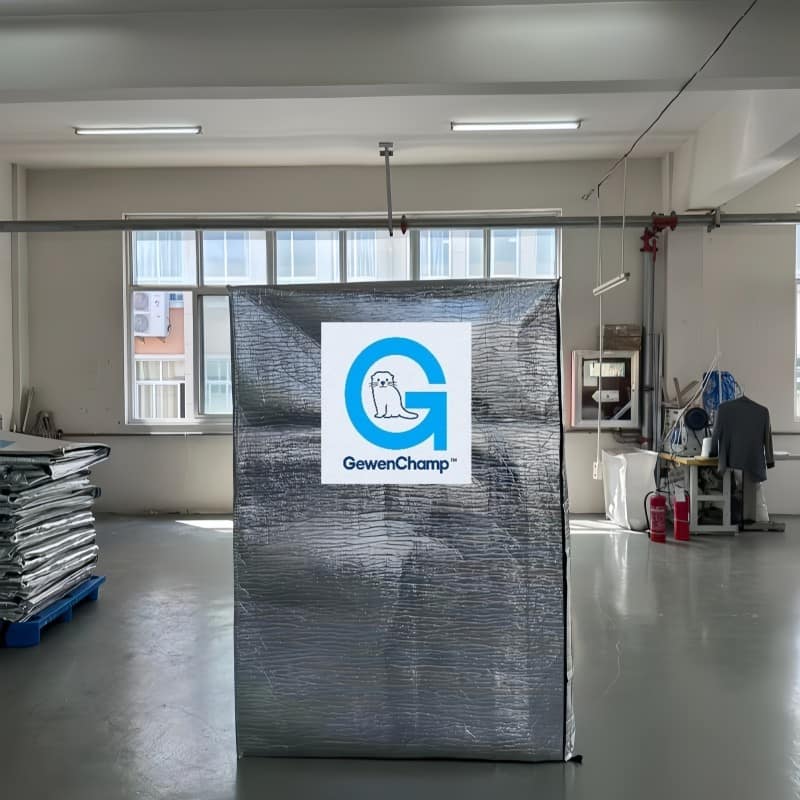
Matching the liner to the cargo is where your expertise as an intermediary builds trust with the shipper. Cocoa beans, for example, need both a food-grade dry bulk liner and a thermal liner to prevent mould and fat bloom. A forwarder who identifies that need and offers a pre-assembled package reduces the shipper’s procurement complexity. A trading company that can also arrange OEM liners with custom artwork and specific filling spout positions distinguishes itself from competitors who resell off-the-shelf products.
How to Evaluate a Container Liner Manufacturer for OEM and ODM Partnerships
The manufacturer behind your container liner solutions determines whether you deliver a reliable service or face recurring quality issues. We have worked with trading companies that needed liners modified for niche cargo, specific spout configurations, or custom labeling for a retail brand. A manufacturer that treats these requests as standard rather than an exception becomes a strategic asset.
When evaluating a potential partner, look for these capabilities:
- Certifications that align with your clients’ markets: ISO 9001 for quality management, FDA for food contact, REACH for EU chemicals, and RoHS for hazardous substances. Ask to see the actual test reports, not just the logos.
- In-house R&D that can prototype custom materials within weeks, not months. If you need a liner with a different vapour transmission rate or a combination of thermal and anti-static properties, a manufacturer with its own R&D centre can deliver faster.
- Transparent minimum order quantities and lead times. A factory that insists on MOQs that don’t match your client’s trial volumes is not a partner fit for the intermediary model.
- Sample policy. You should be able to request an evaluation liner, test it with your client’s cargo on a real shipment, and decide after the trial.
Giant Flexpack’s production lines include woven, film, and thermal lamination processes under one roof, which means a single point of contact for multi-material projects. That simplifies your sourcing and reduces the risk of miscommunication between separate suppliers.
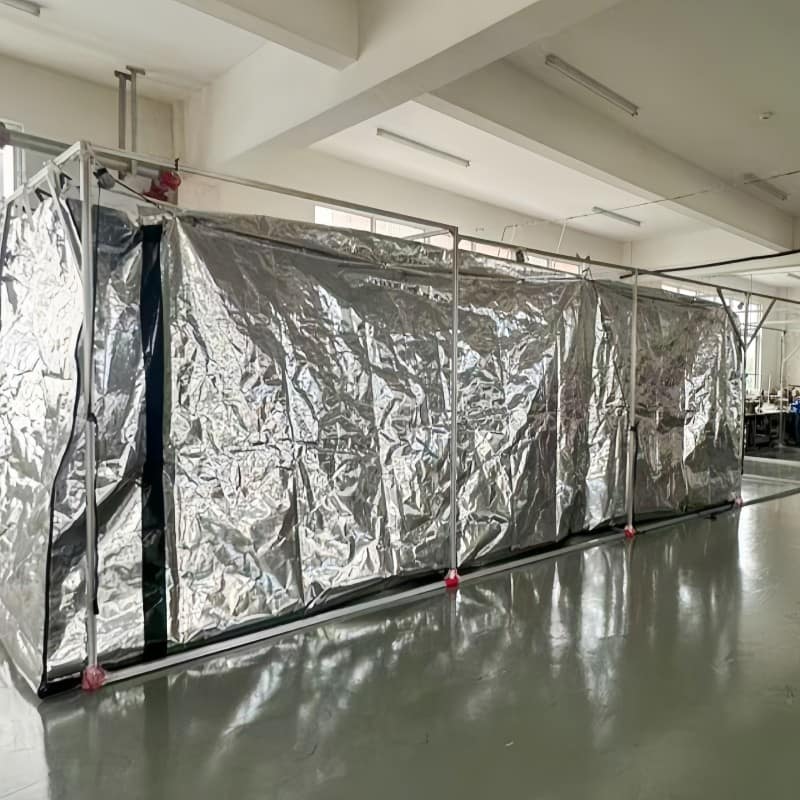
Before committing to any manufacturer, ask for a sample that matches your client’s exact cargo and route conditions. If you need guidance on what to request, share the cargo type and destination with us at [email protected].
Integrating Container Liners into Freight Forwarding and Trading Services
The most effective way to add container liners to your portfolio is to treat them as a managed service rather than a one-off sale. Freight forwarders who offer liner supply plus origin-side installation create a strong value-add because they remove a step that many shippers find technically daunting. Trading companies that bundle liners with their commodity shipments and coordinate directly with the manufacturer for documentation and logistics free their buyers from sourcing packaging separately.
Practical steps to integrate liners into your operations:
- Build liner costs into your freight quotation early. A thermal liner for a 20-foot container costs far less than a single moisture-damage claim, and when folded into a freight rate, the line item is small enough that clients rarely push back.
- Coordinate with the manufacturer to ship liners directly to the origin warehouse or stuffing location. This requires clear communication on lead times, but once the flow is established, it becomes routine.
- Offer installation supervision or training. Many manufacturers provide installation guides and videos. We have supported forwarders by training their on-ground teams or the client’s loading crew via video call, which eliminates the most common cause of liner-related cargo damage — incorrect installation.
- For trading companies reselling under their own brand, the manufacturer can apply custom logos, colour schemes, and packaging. This reinforces your brand identity with the end user while the liner itself remains technically optimised for the cargo.
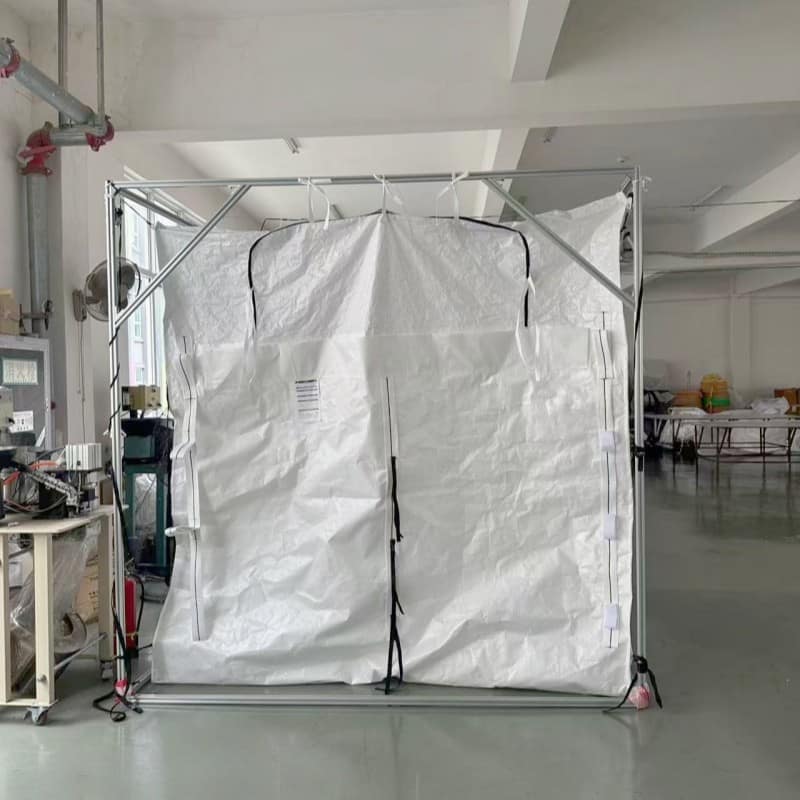
When you handle the entire packaging chain from factory to container, the shipper experiences a seamless logistics process. That perceived simplicity is what keeps them coming back.
Ensuring Compliance, Quality, and Technical Support Over the Long Term
A container liner is not a consumable you buy once. Repeat shipments mean the quality must be consistent across production batches, and the manufacturer must stand behind the product when something goes wrong. We have investigated situations where liners performed perfectly on one voyage but showed condensation on another — often traced to a change in cargo moisture content or stuffing conditions a half-world away. A responsible manufacturer will help you analyse those variables rather than blame the install.
The baseline for any manufacturer partner should include material traceability back to raw resin lots, third-party lab reports for food-grade or chemical-resistance claims, and a formal warranty that covers manufacturing defects. Beyond that, you want a partner who answers technical questions within hours, not days, and who proactively notifies you of any material changes that could affect liner performance.
Giant Flexpack supplies full technical dossiers with each liner series, including thermal conductivity data, tensile strength values, and certificates of compliance. These documents can be passed directly to the end client, enhancing their confidence in the entire supply chain. A trading company that can produce this documentation during a buyer audit gains an edge over competitors who rely only on price.
What Shippers Most Often Ask When Evaluating Container Liner Solutions
What is the single biggest mistake intermediaries make when offering container liners?
Assuming one liner type fits all cargo. We’ve seen a forwarder recommend a standard dry bulk liner for hygroscopic cargo that then caked during transit. The liner was not the problem — the moisture control strategy was missing. Always start with the cargo’s sensitivity to moisture, temperature, and contamination before recommending a liner.
How do I know if a liner is food-grade or suitable for EU markets?
Request the FDA and LFGB certificates, which are the baseline for food contact. For the EU, REACH and RoHS are essential. A credible manufacturer will provide current, third-party lab reports — not just a self-declaration. We supply these as part of our standard documentation package.
What if my client’s liner tears during stuffing?
Tears are almost always an installation or handling issue, not a material failure. Woven liners can withstand substantial force when pulled evenly, but a sharp tool or uneven tension on a lifting loop can create a weak point. We recommend supervised loading for the first shipment and a clear handling protocol. If a tear originates at a seam, that’s a manufacturing defect and we replace the liner promptly.
Can I start with small trial volumes?
Yes. A factory that works with intermediaries understands that trials precede volume. Our typical trial order is a single container load of liners, and we encourage a test shipment with the actual cargo before scaling. The results from that shipment provide the data you need to sell the solution to other clients.
Do you provide technical documentation I can share with my clients?
Every liner we manufacture comes with a technical specification sheet, installation guide, and relevant compliance certificates. These are formatted for sharing with end users, so your client can see the engineering behind the liner without needing to ask follow-up questions. If your buyer’s quality team wants to discuss a specific parameter, we can join a call to provide technical support directly. Share your requirements with us at [email protected], and we will prepare the documentation you need.
Adding Container Liner Solutions Without Adding Risk
When moisture damage, temperature excursions, or contamination recur across your clients’ shipments, the cost to your reputation outweighs any margin on the freight alone. Container liner solutions address those recurring damage modes directly, and a manufacturing partner with deep technical capability makes the transition straightforward. Giant Flexpack is a Sino-American joint venture with over 20 years of expertise in thermal insulation and dry bulk container liners, certified to ISO 9001, FDA, LFGB, REACH, and RoHS. We supply freight forwarders and trading companies worldwide with custom OEM liners, evaluation samples, and the technical support needed to integrate liners into their logistics services. Send your client’s cargo type and typical shipping routes to [email protected] or call +86 523 87683880, and we will recommend the right liner configuration, arrange samples, and provide the compliance documentation your end customer expects.
 English
  German
  Spanish