
When most procurement teams evaluate container liner suppliers, they focus on material specs, certifications, and unit price. Those matter, but I’ve learned through fifteen years of technical support for bulk shipping operations that what happens after the purchase order closes has a much bigger impact on total landing costs. Container liner after-sales support is the layer between a liner that fits on paper and one that performs without surprises inside a 40-foot container crossing the equator. Without it, even a correctly specified liner can fail when the cargo is two days from port and no one on the ground knows why moisture is appearing on the inner wall. This piece explains the support structure that a manufacturer should provide after delivery, drawing on how our team at Giant Flexpack has structured technical backup for customers shipping everything from PE resin to cocoa beans.
Why After-Sales Support Determines Liner Performance
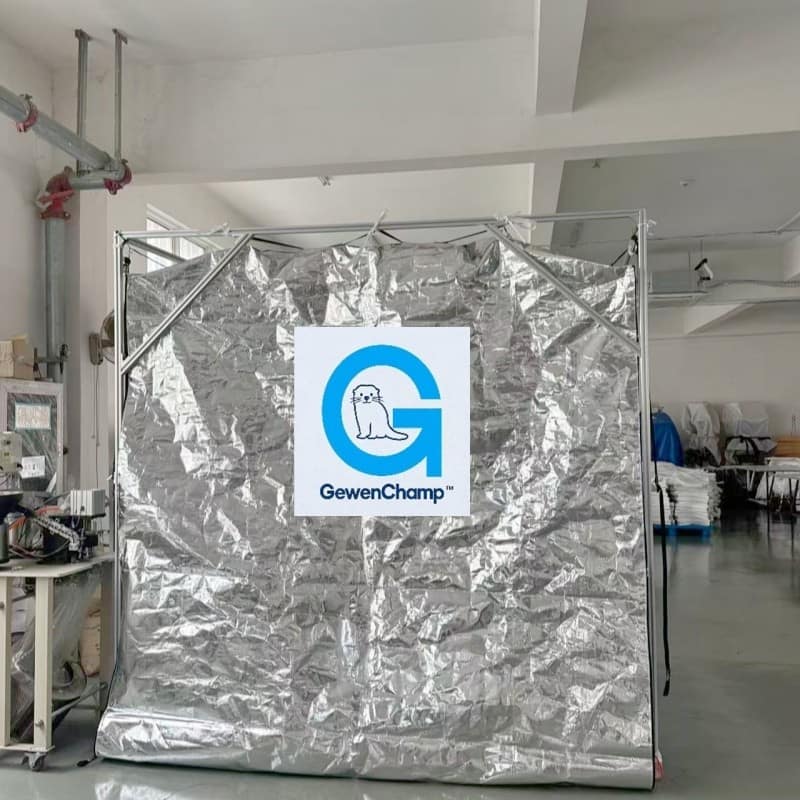
A container liner is not a finished product; it is part of a loading, transport, and discharge system. The best liner specification can break down if the installation crew does not understand how to seal filling spout connections properly, or if the stretch cord tension around the door frame was never checked before closing. After-sales support should bridge the gap between the product data sheet and the real-world conditions at a loading yard in Vietnam, a rail terminal in Kazakhstan, or a warehouse in Brazil where local staff are handling the liner for the first time.
Support quality splits roughly into four areas: installation guidance, troubleshooting during shipment, warranty administration, and long-term technical consultation. Not every manufacturer delivers equally across all four. Some ship the liner with a one-page instruction sheet and consider the job done. Others provide video call walk-throughs, on-site training, and a dedicated technical contact who knows your specific cargo type. Those differences become concrete when a 20-ton load of titanium dioxide is waiting to be discharged and the bottom spout does not open cleanly because the operator did not remove the inner tie as instructed. A phone call to a knowledgeable support line at that moment saves hours of delay and potential contamination.
What After-Sales Support Should Cover
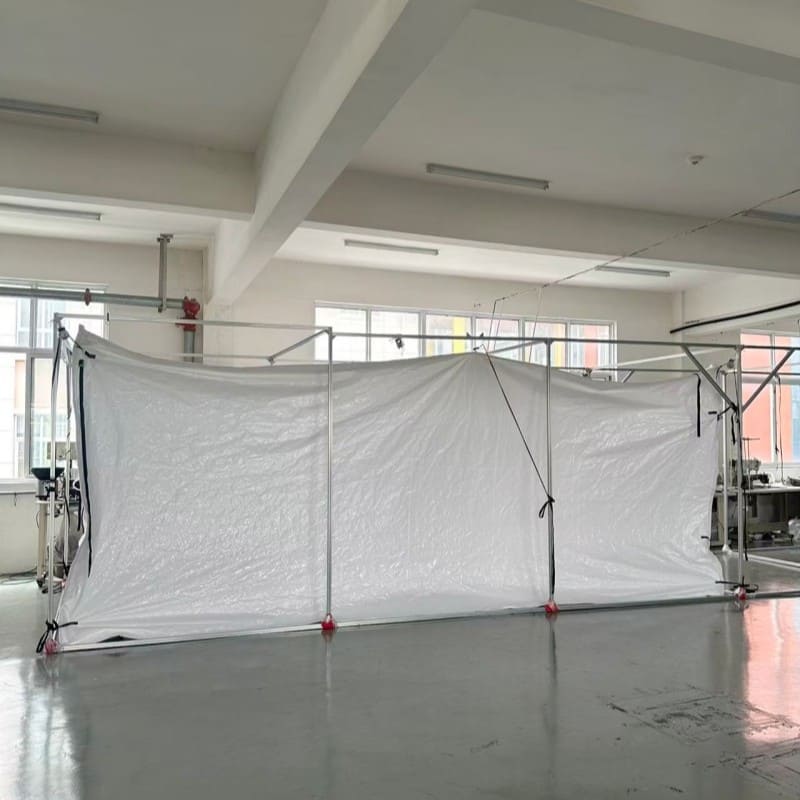
After-sales support for container liners should be a defined service, not an afterthought. At minimum, you should expect a manufacturer to provide clear installation instructions in multiple formats (printed, video, and digital checklists) for every liner model they sell. More importantly, those instructions should be cargo-specific: loading a TL-01 woven thermal liner for a 20-ton shipment of polycarbonate resin requires different attention points than a DBL-F02 30FT PE film liner for polymer pellets. Generic instructions create generic failures.
Beyond installation, support should cover pre-dispatch verification. I’ve seen too many cases where the liner is correct but the container itself introduces moisture — residual condensation on the front wall or a damaged door seal that lets in ambient air during the voyage. A responsible manufacturer’s support team helps the loading supervisor confirm that the container condition is compatible with the liner before cargo ever touches the walls. This is not a standard step in most checklists, but it prevents a significant share of the moisture claims that shippers file after discharge.
Installation Guidance and On-Site Assistance
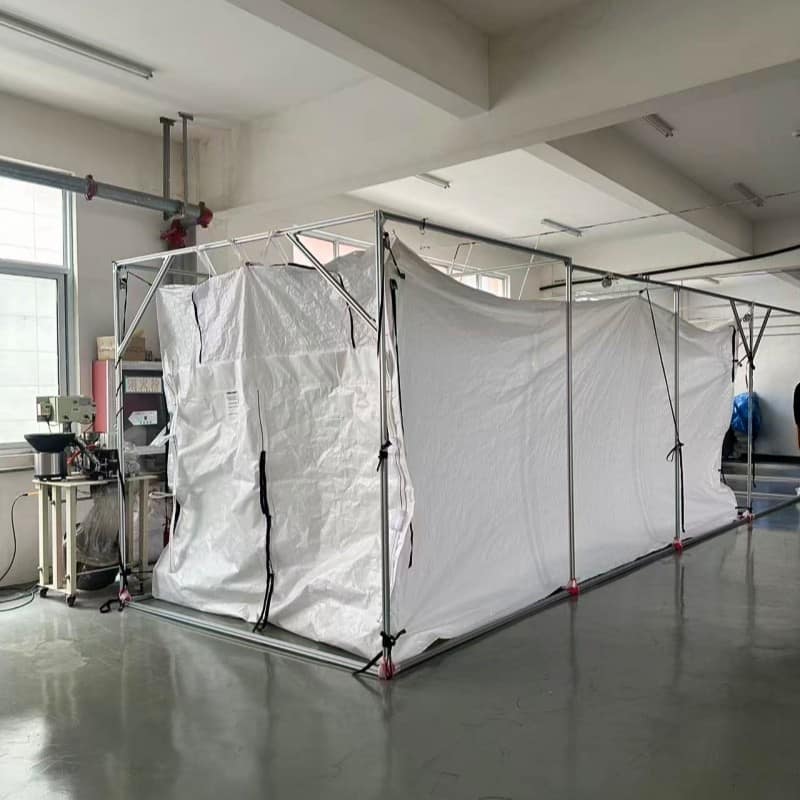
The most common after-sales request we receive at Giant Flexpack is for live installation support. Even experienced logistics operators who have handled dozens of liner loads will call when they switch cargo types or when they are loading at a new facility with unfamiliar equipment. A good support program should offer real-time assistance, whether that means a video call using a phone camera to walk through the strapping points on a 40HQ liner or sending a technician to the loading site for the first few shipments of a new contract.
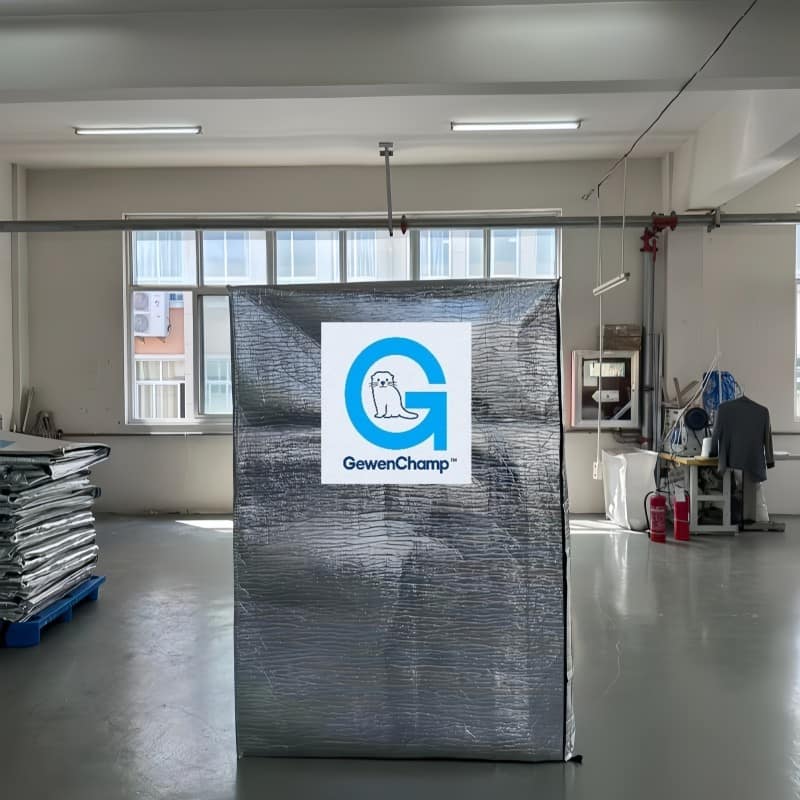
For thermal liners, the assistance needs extra attention. With a TL-03 MPET double bubble liner, the reflective surface must be oriented correctly, the sealing flaps must overlap properly at the door, and the internal bracing must not press against the bubble layer in a way that compromises its air retention. If any of these steps is done incorrectly, the customer may not see the full temperature protection until the cargo is already underway and a temperature logger reports a steady rise. Real-time support during the first installation catches these errors before they become in-transit problems.
If your own operation involves seasonal volume spikes, where temporary workers handle liner installation, it is worth confirming that the manufacturer’s support includes training materials that a supervisor can use to brief those crews quickly. A ten-minute briefing video specific to your liner and cargo type is more effective than a twenty-page manual that nobody reads under time pressure.
Troubleshooting Common Liner Problems
A liner that fails completely during transport is rare. The issues I encounter more often are partial and easily fixed if caught early: a filling spout that billows out and contacts a hot container wall, a dust seal that pulls away during unloading, or a bottom discharge spout that binds when the product settles and the operator pulls too aggressively. Troubleshooting support should be built around these specific failure modes, not around generic “contact us” promises.
When a customer calls with a discharge issue, the first thing our team does is ask for a photo or video of the spout and the surrounding liner material at the discharge end. Usually, the problem is mechanical — the pull cord was not released fully, or the inner tie was snipped but not completely removed, leaving a small obstruction that powder or pellets catch on. A five-minute diagnostic call saves the unloading team half a day of trying different approaches. This level of support only works if the manufacturer staffs their support desk with engineers who understand the physical behaviour of the liner, not just customer service representatives reading a script.
| Common Issue | Likely Cause | Immediate Check |
|---|---|---|
| Moisture inside liner after transit | Container wall condensation pre-loading or door seal leak | Confirm container was dry and seals intact before loading; check lamination integrity of liner wall |
| Bottom spout does not open | Inner tie still in place or discharge chute misaligned with liner spout | Verify tie removal; align chute and pull spout straight out |
| Thermal liner not holding temperature range | Reflective layers oriented outward, air gap between liner and container wall missing | Check orientation and that liner is taut but not compressed; confirm all six walls covered |
| Filling spout damage | Spout caught on hopper lip or overfilled causing ballooning | Realign spout and reduce fill rate; use anti-static strap on powder loads |
| Liners shifting during transit | Inadequate strapping or cargo consolidation | Inspect strap tension and number of fixing points; adjust per supplier’s loading diagram |
Warranty, Replacement Parts, and Long-Term Support
Warranty terms for container liners vary significantly, and the fine print is where after-sales commitment becomes measurable. An honest manufacturer will define exactly what their warranty covers: manufacturing defects in materials and workmanship, delamination of multi-layer structures, seam leaks, or spout attachment failures. They will also be clear about what is not covered, such as damage from improper installation, use outside the specified temperature range, or contamination from incompatible cargo. That clarity is more useful than a blanket “one year warranty” that both sides are unsure how to invoke.
Replacement parts availability matters more than it seems. Spouts, vent caps, stretch cords, and dust covers are wear items that can be lost or damaged during handling. A manufacturer who stocks those parts and can ship them on a day’s notice saves you from discarding an otherwise intact liner that is missing a spout. For thermal liners with a limited reuse cycle, having a defined process for inspecting and reconditioning returned liners, then replacing the worn components before reissuing, extends the usable life and reduces per-shipment cost substantially.
Common Questions About Container Liner After-Sales Support
Will a manufacturer send someone to my loading site for the first shipment?
Most reputable manufacturers offer on-site supervision for initial loads, especially when the liner is being installed in a new location or the cargo has strict food-grade requirements. This includes a factory-trained technician who can train the local crew and verify the installation. For smaller orders, video-based remote support is more common and, in many cases, equally effective if the site has a smartphone camera. The key is to specify this requirement during the procurement phase so it is built into the support package, not requested as an emergency after something goes wrong.
What kind of support is available when the liner is already in transit?
Once the container is sealed and on the ship, the liner itself is not accessible, but the support question usually shifts to what to do at the destination. If a discharge team reports visible condensation or displaced liners upon arrival, the manufacturer should help with immediate guidance: should they proceed with unloading or pause for conditioning? Can the cargo be salvaged, and what documentation is needed for an insurance claim? In my experience, programs where the destination agent has the manufacturer’s technical contact number directly have resolved more issues before they escalated.
How long does after-sales support continue after the warranty period ends?
Warranty expiration does not mean the end of support. For repeat customers, we continue to provide technical guidance on liner selection, condition inspection, and troubleshooting for the entire duration of the supply relationship. The warranty governs replacement liability; support governs operational uptime. If you are shipping a regular monthly volume of kaolin clay, the manufacturer’s interest in keeping your operation running smoothly does not stop at month 12.
What should I look for in a manufacturer’s support plan before signing a contract?
Ask for specific documents: a support service level description, a sample installation checklist for your liner type, a list of contact points by time zone, and a clear process for warranty returns. If the response is “we will take care of everything”, that is a red flag. Good support is structured enough to be written down. Ask to speak directly with a technical support engineer, not just the sales manager, before finalizing the order. If your shipment involves cargo with unusual moisture sensitivity or a route with extreme temperature swings, share that scenario and ask how they would handle a typical in-transit alarm. The answer tells you more than any brochure.
If you are planning a new liner program and want to confirm that the support structure is already in place for your specific cargo and routes, share your typical order specifications with us at [email protected] or call +86 523 87683880. We can walk through a sample installation and troubleshooting scenario for your material so you know exactly what backup will be available before the first container leaves the loading bay.
 English
  German
  Spanish