
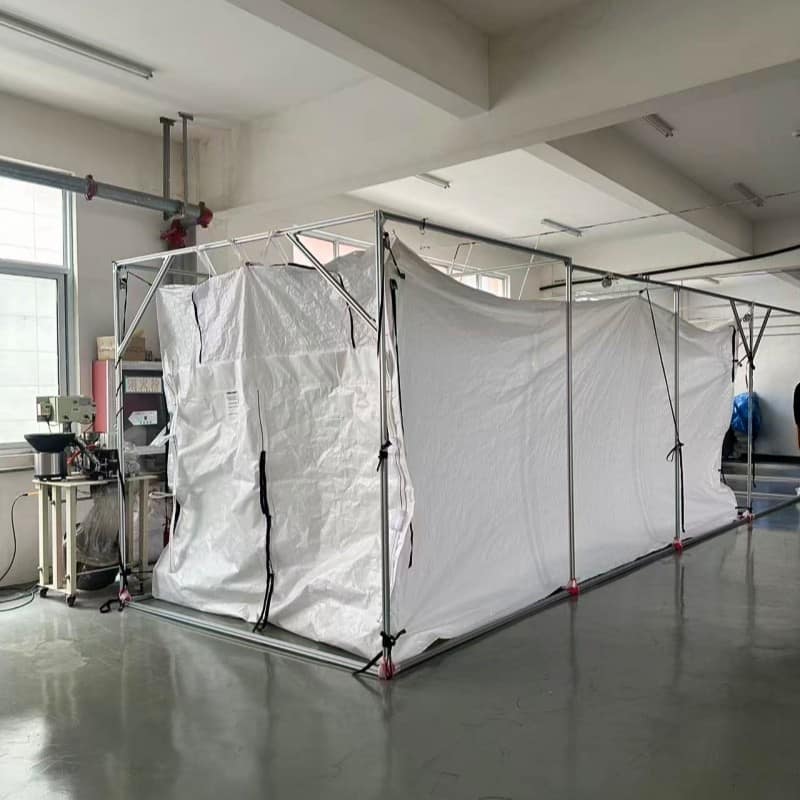
Many shippers assume that bagged cargo, whether 25kg sacks of resin or bulk bags of grain, is already protected. The packaging is intact. The container looks sealed. But the reality is that moisture, temperature swings, and physical shift can still cause damage, even when goods are bagged. Adding a container liner alongside bagged cargo is not over-engineering; it is one of the most practical and underused methods for preventing cargo claims. Container liners for bagged cargo create a secondary envelope that blocks humidity, resists condensation, and keeps bags from rubbing against container walls, which often sweat during transit. In my work with global logistics teams, I have seen that the combination of liners and bags often turns a shipment from “hoping for the best” into a controlled, repeatable process.
Why Bagged Cargo Still Gets Damaged
Bagged cargo looks protected, but it rarely is once it leaves the loading dock. A container crossing oceans experiences internal temperature fluctuations that can push relative humidity above 80%, regardless of whether the goods are in woven polypropylene bags, paper sacks, or FIBCs. Moisture migrates through container wall sweating and condensation cycles, wetting bag surfaces and creating the conditions for mold, caking, or packaging degradation. This is especially common with food products like flour, sugar, or cocoa beans, and with hydroscopic chemicals like titanium dioxide or PVC resin.
Another cause of damage is movement. Even tightly packed bags settle and shift during sea freight, putting pressure on the outer rows. Bags that press against container walls absorb condensation directly and can tear from vibration. We have tested shipments where simply wrapping bagged cargo in a container liner reduced condensation exposure by over 90%, and the bags arrived in original condition, without the typical moisture damage that leads to rejection at destination.
How a Container Liner Adds Protection for Bagged Goods
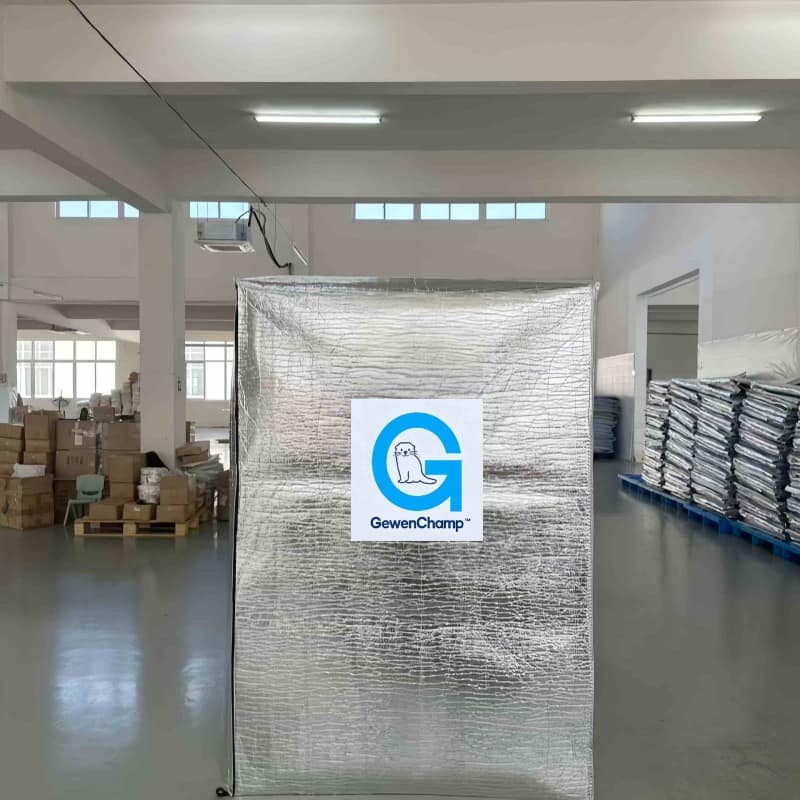
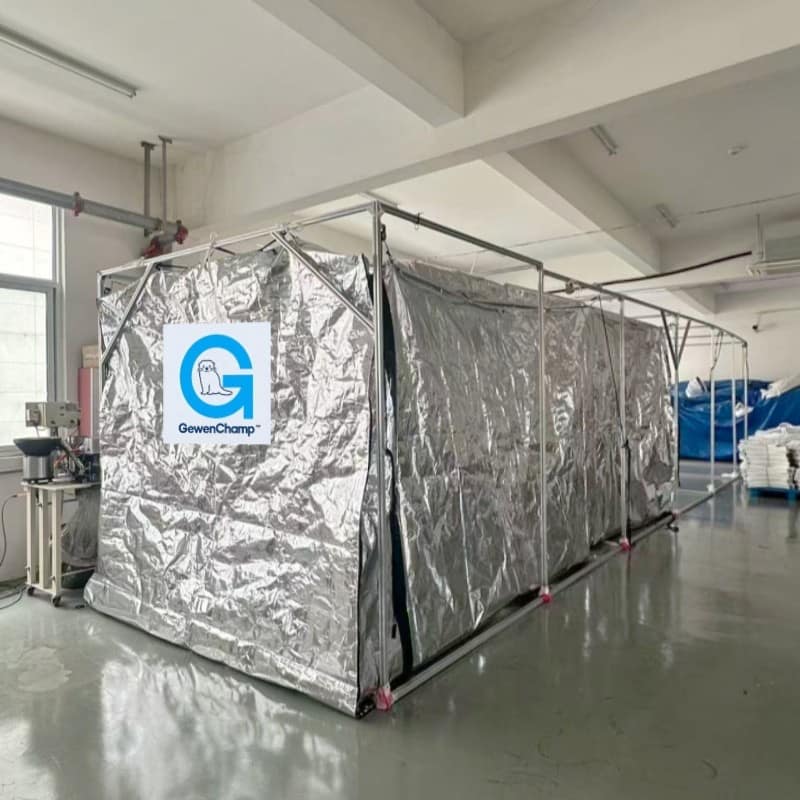
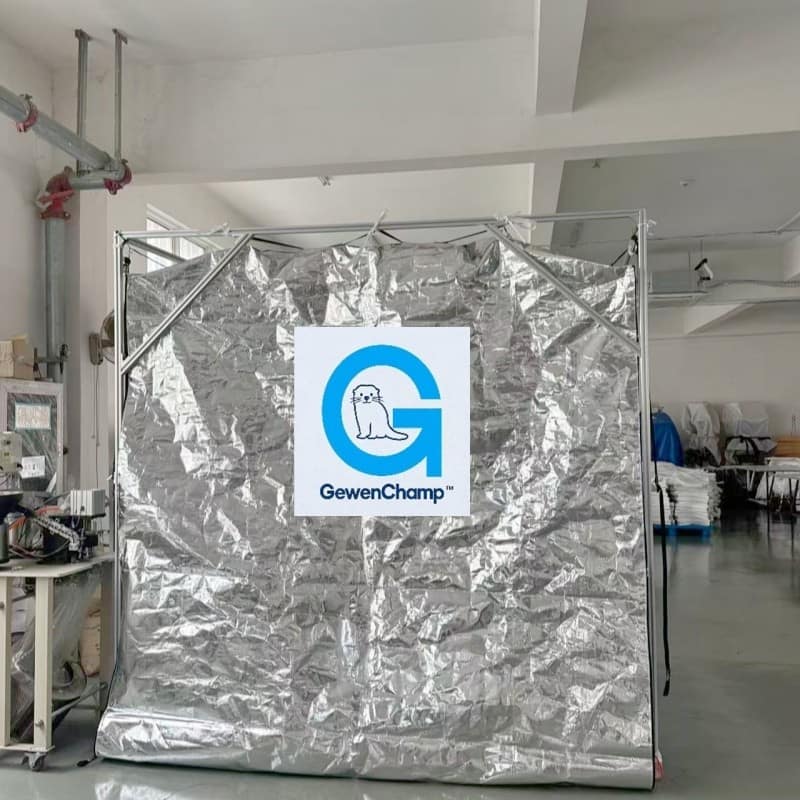
A container liner functions as a full-six-wall barrier, isolating the entire load from the container’s metal surfaces and external climate. When used with bagged cargo, the liner does not replace the bags but complements them. The bags themselves handle containment and portioning; the liner handles humidity, temperature moderation, and physical shielding. This is especially effective when using a thermal liner. For example, the TL-01 Thermal Container Liner, with its woven PE and aluminum foil lamination, reflects about 95-97% of radiant heat, keeping the internal temperature more stable. That means bagged goods inside experience fewer condensation cycles, even on routes through tropical or high-latitude climates.
For cargo where thermal insulation is less critical but moisture is the main threat, a PE film liner like DBL-F01 provides a 100% moisture and dust barrier. The liner can be placed directly inside the container, then palletized bagged goods are loaded inside it. The liner is sealed, and the container doors close. The result is a microclimate that prevents humid outside air from reaching the bags, and stops any moisture released from the cargo itself from condensing on cold container walls. In many cases, we have found that a thin PE liner costing a fraction of the cargo value eliminates the moisture-related claims that hurt margins.
When to Choose Container Liners Alongside Bagged Cargo
Not every bagged shipment needs a liner. The decision to combine both comes down to exposure, sensitivity, and route conditions. I recommend using a container liner for bagged cargo under these specific circumstances:
- Routes with high humidity variability, particularly those crossing the equator or entering cold climates from warm loading ports. The temperature gradients are severe, and bag-only loads almost always sweat.
- Food-grade or organic cargo, where even minor moisture ingress can violate import standards. FDA, LFGB, or organic certification requirements often demand that the entire container environment be protected, not just the individual bags.
- High-value chemicals, polymers, or pharmaceutical excipients where bag failure could mean rejection of the entire container load. A liner adds the second layer that insurers and receivers prefer.
- Bag types that are not waterproof, such as standard woven polypropylene bags without inner PE liners. These bags breathe, and they breathe in humidity. A container liner makes the whole shipment airtight.
Conversely, if a shipment is fully palletized with shrink wrap, travels a short overland route, and cargo is both low-value and insensitive to moisture, a liner may not be needed. But for any international shipment that will spend two to six weeks at sea with multiple climate zone crossings, the incremental cost of a liner is small compared to the risk of a whole-container cargo claim. If your program involves mixed bag types and long transit times, it is worth confirming liner specifications before finalizing your shipping plan; reach out at [email protected].
Installing a Container Liner for Bagged Cargo Loads
The installation steps for bagged cargo differ slightly from bulk loading because the liner must accommodate forklift access and palletized goods. The process is straightforward but requires attention to liner placement and sealing.
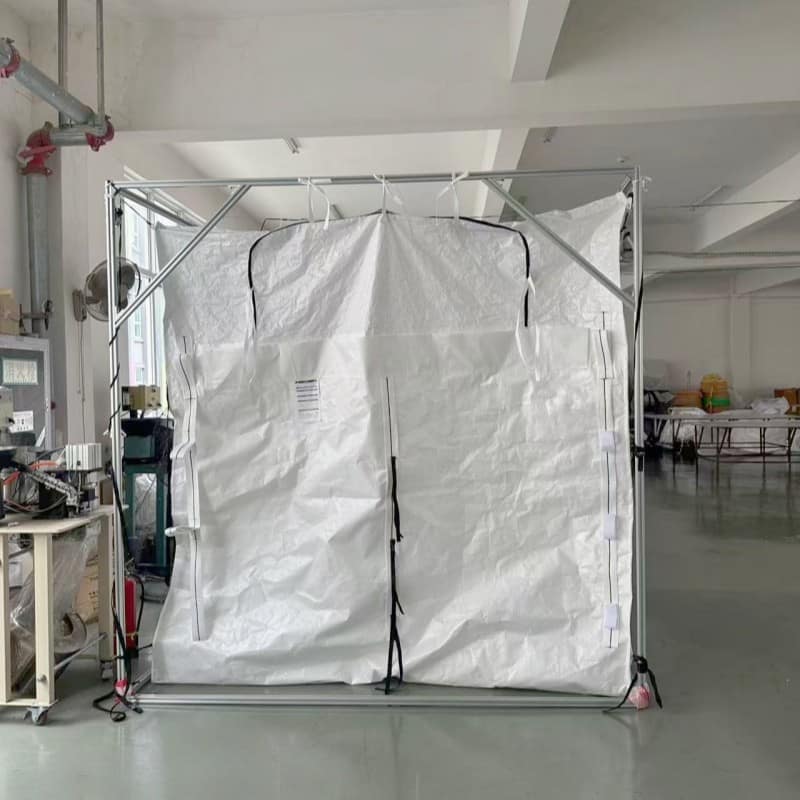
First, select a liner that fits the container size and the cargo weight. For standard 20ft or 40ft containers, liners like the DBL-W01 woven liner or the DBL-F01 PE film liner are sized to match interior dimensions, leaving enough overlap at the door end to fold and seal. The liner should be placed into an empty container with the top loading spouts tied off if not used, and the bottom discharge sealed tightly, because bagged cargo is not discharged through the liner’s spout.
Then, load the bagged cargo using standard forklifts. The liner walls may temporarily fold inward, but as the cargo fills the container, the liner will press out naturally against the container sides. It is important to leave no sharp edges exposed: pallet corners, metal straps on bags, or torn bag ends should be taped or padded, because even a small puncture in the liner defeats the moisture barrier. After loading, the liner opening at the door end is gathered, folded, and sealed with tape to create a closed environment. This simple closure prevents ambient humidity from entering during transit and keeps the internal microclimate stable.
Balancing Liner Performance with Practical Handling
Beyond moisture protection, one of the less-discussed benefits of using liners with bagged cargo is the reduction in bag-to-wall friction and contamination. Without a liner, bags in constant contact with container walls often pick up metal oxide residues, dust, or paint flakes, which can be problematic for food-grade shipments. The liner acts as a clean internal surface, and when the container is unloaded, the bags come out clean and undamaged.
Another practical advantage is that liners make unloading faster. The bags do not stick to damp walls, and there is no need to wipe down the container interior before unloading. This is particularly valuable when receiving customers have strict cleanliness standards. I have visited facilities where a rejected shipment of bagged food ingredients cost more than the entire liner budget for a year of shipments. The line item that seemed optional on the quote became mandatory after one lost load.
How Common Liner Types Perform with Bagged Cargo
Not every liner is equally suitable for every bagged cargo scenario. Below is a quick reference for matching liner types to bagged cargo needs:
| Liner Type | Primary Function | Best Suited Bagged Cargo | Key Benefit |
|---|---|---|---|
| TL-01 Thermal Liner (woven/foil) | Radiant heat reflection and insulation | Temperature-sensitive bagged goods (chocolate, pharma, chemicals) | Stabilizes temperature within ±5°C, reusable 3-5 times |
| TL-04 Thermal Liner (MPET/PE film) | Light thermal barrier and moisture block | Short-haul temperature-sensitive bagged food and electronics | Economical, waterproof, quick to install |
| DBL-W01 Woven Dry Bulk Liner | Structural strength and moisture resistance | Heavy bagged minerals, chemicals, construction materials | Very high tear resistance, load capacity up to 30 tons |
| DBL-F01 PE Film Liner | Moisture and dust barrier only | Standard bagged goods that need humidity isolation | 100% moisture barrier, lowest cost option, food-grade available |
This is not an exhaustive list, but it covers most bagged cargo operations. The decision between thermal and non-thermal liners often comes down to whether the cargo is sensitive to temperature extremes, not just moisture. For a shipment of bagged cocoa beans from West Africa to Europe, for instance, a thermal liner like the TL-01 will pay for itself by preventing the temperature fluctuations that cause bloom and molding, even though the beans are already in grain-pro bags.
Common Questions About Combining Liners and Bagged Cargo
Does adding a liner mean I don’t need good quality bags?
No, the opposite is true. The liner supplements the bags; it does not replace them. The bags still need to be strong enough to handle the weight and stacking of the shipment. The liner handles the external environment that the bags alone cannot control. If your bags have any existing tears or weak seams, a liner can keep the load contained, but you should still use bags that meet your product’s handling requirements.
Will liners make container loading slower?
Usually not. For bagged cargo, the liner is placed before loading, which adds about ten to fifteen minutes. Loading itself is not affected because forklifts enter the liner and place pallets or bags as usual. If the team has installed liners a few times, the extra step becomes routine and does not impact vessel cutoff times.
Can I use a container liner with FIBCs (bulk bags)?
Yes, and this is increasingly common. FIBCs often have seams that leak slightly, and they do not block moisture. A container liner around FIBCs prevents the container itself from being the source of moisture ingress and keeps the entire load isolated. For food-grade FIBC shipments, the combination is often a requirement from buyers, not just a recommendation.
How do I choose between a PE film liner and a woven liner for bagged cargo?
It depends on the risk of mechanical damage. PE film liners are excellent moisture barriers but can tear if sharp bag edges or pallet splinters are present. Woven liners like the DBL-W01 offer higher puncture resistance but have less inherent moisture blocking unless they are laminated. For most bagged cargo with standard pallets, a PE film liner is sufficient and more cost-effective. If your bags are irregular, heavy, or the route involves transshipment with rough handling, a woven laminated liner is the better choice. If your shipment involves both high-value contents and a rough handling profile, it is worth confirming liner specifications with a manufacturer before ordering; share your container size and cargo type at [email protected].
Does a thermal liner really make a difference when the bags themselves are not temperature-sensitive?
It can, because condensation is a function of temperature gradients. Even if the product inside the bags is not damaged by heat or cold directly, the packaging can be. A thermal liner dampens the temperature curve inside the container, which reduces the duration and intensity of condensation events. This directly preserves the strength and printing of the bags, which matters if the bags are themselves part of the brand presentation at the destination. For any shipment where bag integrity affects product value or regulatory compliance, a thermal liner is worth evaluating. Share your requirements and we will confirm which liner spec matches your transit conditions.
When you are shipping bagged cargo internationally, a container liner turns the container into a protective system rather than just a metal box. The combination reduces moisture damage, preserves bag condition, and often eliminates the hidden costs of cleaning, claims, and rejected loads. To discuss which liner fits your specific cargo and route, contact Giant Flexpack at [email protected] or call +86 523 87683880.
 English
  German
  Spanish