
Container liners for break bulk cargo solve a specific shipping challenge that generic bulk liners cannot always address. When cargo arrives in bags, on pallets, or as mixed irregular items, standard dry bulk liners designed for free-flowing powders and granules can fail due to uneven loading, sharp edges, or improper securing. This article explains when a container liner makes sense for break bulk shipments and how to correctly select and install one to prevent moisture damage, contamination, and cargo shift during transit.
Evaluating the Need for Container Liners in Break Bulk Shipments
Not every break bulk load requires a container liner, but many shipments that skip liner protection end up with costly cargo damage. The primary reason to use a liner is moisture. Ocean containers are not hermetic; temperature swings during a voyage cause condensation to form on the steel walls and roof. That condensation drips onto cargo and soaks into bags, cardboard cartons, or unprotected palletized units. A well-installed liner acts as a physical barrier between the container skin and the cargo, keeping water away from the load.
Break bulk cargo is especially vulnerable because it often consists of multiple individual packages. A single wet bag in a shipment of fifty can trigger a rejection from the buyer, and the claim rarely covers the full logistics cost of the return or replacement. I have inspected shipments where palletized sugar bags arrived caked and unusable because condensation pooled on the container floor and wicked up through the pallets. A properly fitted liner with a floor section would have prevented that.
Contamination is the second driver. Bulk container liners prevent dust, insect ingress, and debris from the container itself from contacting the cargo. For food-grade break bulk items, this is not optional; many importers now require liners as part of their supplier quality agreements. Even for industrial goods, keeping abrasive dust off precision components reduces cleaning and rework at the destination.
The economic threshold is straightforward: if the potential cost of rejected or damaged goods exceeds the liner price and its installation time, a liner is justified. For most break bulk shipments valued above a few thousand dollars, the calculation favors using one.
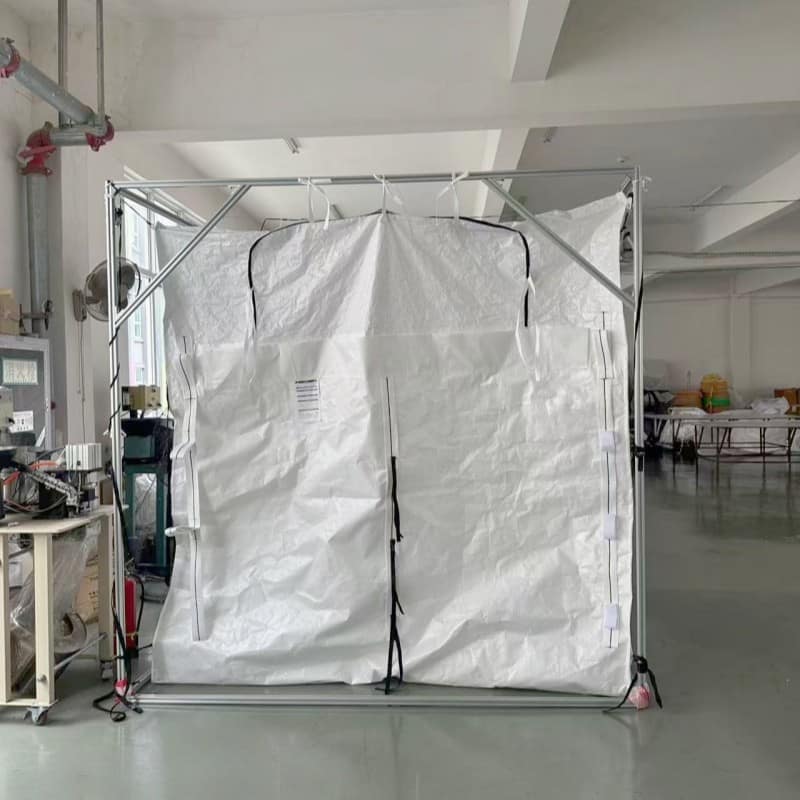
Choosing the Right Container Liner for Break Bulk Cargo
Break bulk cargo demands a different liner selection logic than uniform dry powders. The liner must withstand point loads from pallet edges, forklift tine contact, and irregular item shapes. Two material families dominate: woven polypropylene and polyethylene film.
The table below compares the two primary options.
| Feature | Woven PP Liner (e.g., DBL-W01) | PE Film Liner (e.g., DBL-F01) |
|---|---|---|
| Base material | 140 gsm HDPE woven fabric | 140-micron LDPE film |
| Tensile strength | warp ≥1,800 N/5cm | warp ≥1,500 N/5cm |
| Moisture resistance | ≥98% | 100% barrier |
| Puncture resistance | High | Moderate |
| Typical break bulk use | Heavy or sharp-edged items | Lightweight, uniform packages |
| Food-grade option | Available with FDA | Available with FDA (optional) |
Woven liners offer much better puncture resistance, which matters when loading palletized machinery parts, crates, or bagged goods with sharp corners. The woven structure also tolerates some shifting without tearing. PE film liners provide a complete moisture and dust seal, but they can puncture if a nail head or sharp corner contacts the material during loading. I typically recommend woven liners for mixed break bulk loads and PE film liners for uniform bagged cargo where the bags themselves already provide some mechanical protection.
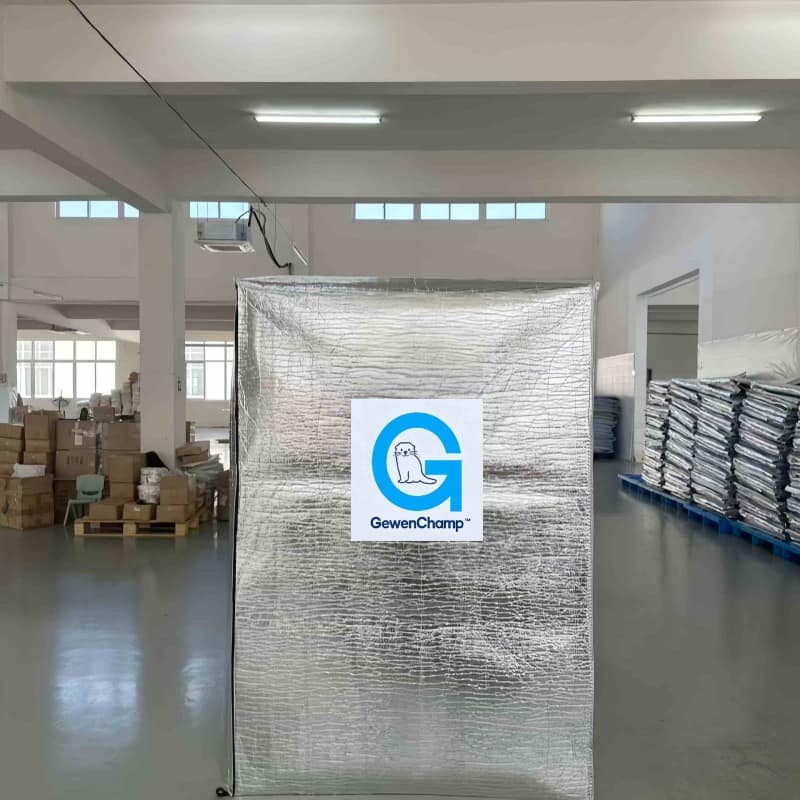
If your break bulk cargo includes food or pharmaceutical products, the liner must carry appropriate certifications. Options such as FDA-compliant woven or film liners are available, but they need to be specified during ordering because not all stock liners carry food-grade documentation. Confirming this before shipment avoids customs delays. For temperature-sensitive break bulk, such as chocolate or certain chemicals, a thermal liner with aluminum foil lamination adds passive insulation that can cut peak temperature swings by several degrees without relying on a reefer container.
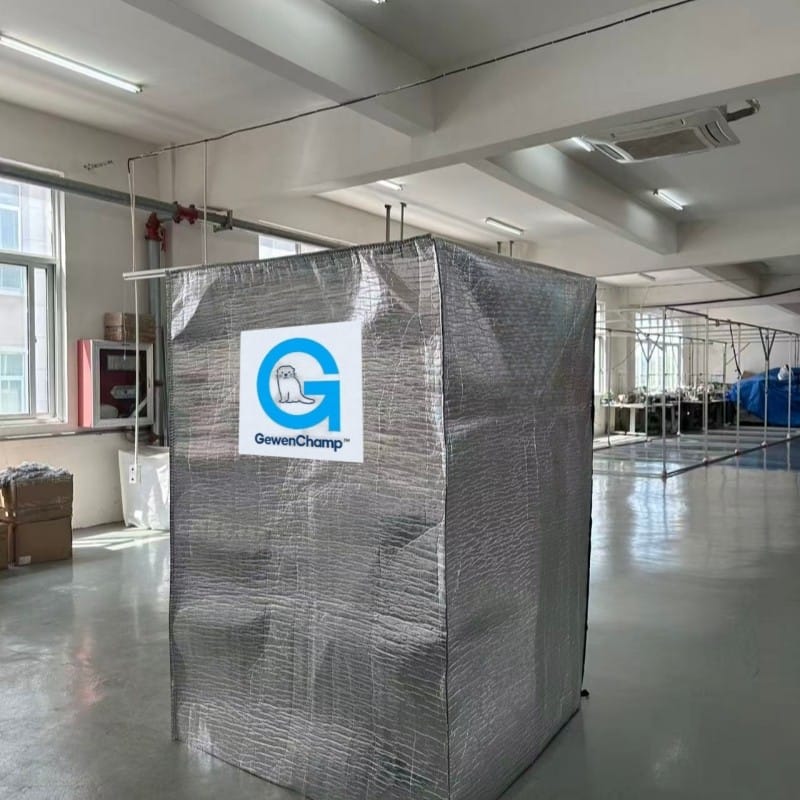
Installing Container Liners for Irregular and Mixed Loads
Installing a liner for break bulk cargo is similar to a standard dry bulk liner setup, with a few critical differences to accommodate irregular items. The following steps apply to a rear-loading container, which is the most common scenario for break bulk because cargo is placed inside with a forklift rather than blown in through a top spout.
- Inspect the container thoroughly. Run your hand along the interior walls, floor, and ceiling. Any protruding screws, splinters, or damaged panels will puncture the liner under load pressure. Remove or cover sharp spots with heavy-duty tape or protective sheeting.
- Unfold the liner and orient it so the top and bottom panels match the container configuration. For full six-wall coverage, the liner must include a floor section. This is non-negotiable for break bulk because liquids can pool on the container floor and soak up through pallets.
- Slide the liner into the container, pulling it as far forward as possible. Secure the front wall section first, usually by tying the liner’s top corners to the container’s lashing rings or by using adhesive strips.
- Work the liner’s side walls outward so the material is taut against the container walls. Fold any excess material inward at the rear opening to create a clean lip for loading.
- For a liner with a rear loading configuration, leave the rear flap open and rolled up to allow forklift access. If the liner has a top filling spout, it can be tied off and tucked inside since you will load from the rear.
- Once the liner is positioned, place protective corner boards or sacrificial cardboard sheets at the entry area where the forklift will travel. This prevents tire abrasion from tearing the liner at the load point.
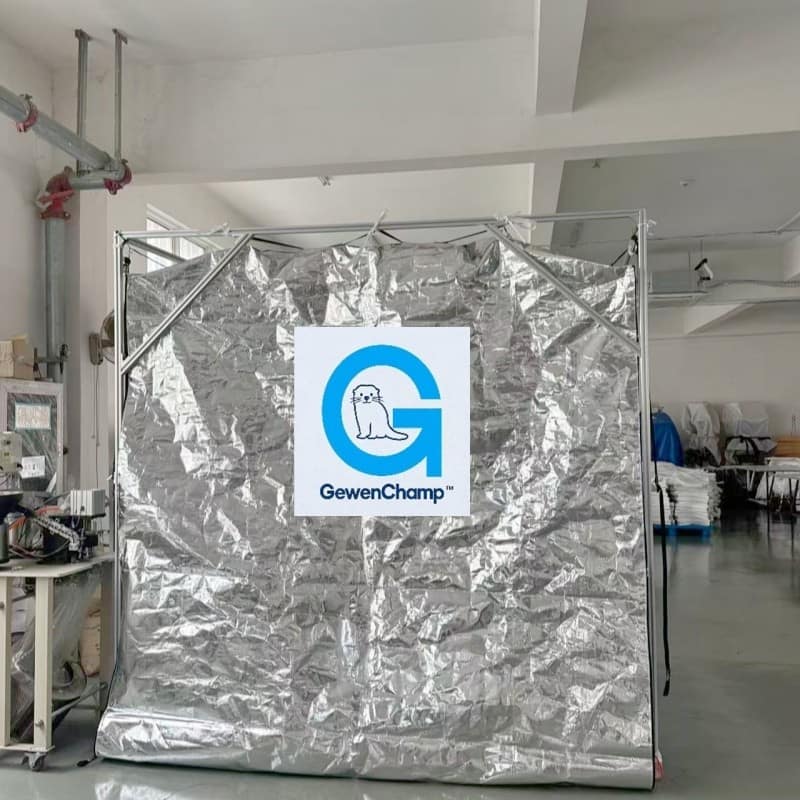
Loading and Securing Break Bulk Inside a Container Liner
Loading break bulk into a lined container requires more care than dumping free-flowing granules, but the principles are the same: protect the liner from mechanical damage and distribute weight evenly.
Start by loading the heaviest and most stable items first, placing them against the front wall. Use a forklift with smooth tines, and if possible, wrap tine tips with protective sleeves. Avoid dragging pallets across the liner floor. Instead, lift and place each unit gently. Once the forward portion is loaded, place dunnage air bags or foam blocks between the cargo and the side walls to prevent lateral shifting during transit. This is especially important for break bulk because irregular shapes create voids that allow movement.
I have seen liners tear when heavy machinery parts were loaded without any cushioning under the contact points. Even a woven liner rated at 1,800 N/5cm can fail if a sharp metal edge concentrates force on a small area. Always place a sheet of plywood, thick cardboard, or dedicated protective matting under heavy or sharp-edged items before positioning them inside the liner.
After loading, strap the cargo to the container’s lashing rings using high-strength bands, passing them over or around the liner. The rear bulkhead can be secured by closing the rear flap of the liner and then placing a wooden bulkhead or strapping gate to prevent the load from shifting backward. Finally, seal the liner’s rear opening, tying it off or using the provided closure system, before closing the container doors.
Avoiding Frequent Errors with Break Bulk Container Liners
Many liner failures trace back to preventable setup mistakes. The three most common errors are using the wrong liner type, neglecting installation details, and underestimating cargo movement.
First, using a standard dry bulk liner designed for powders when the cargo includes sharp-edged items or heavy palletized units. An inexpensive PE film liner may save a few dollars upfront, but a puncture during the voyage often means the entire load arrives contaminated or wet. Match the liner’s strength rating to the most demanding item in the shipment, not the average.
Second, skipping the pre-installation container inspection. A screw head or nail protruding just 5 mm can slice a liner during loading, and you will not discover the damage until the container is opened at the destination. I recommend running a quick physical check of all interior surfaces as a mandatory step.
Third, failing to block and brace the cargo. Even if the load looks stable at the stuffing location, ocean motion produces forces that shift cargo. If the cargo moves, it can tear the liner and expose the goods to the container walls. Use dunnage, air bags, or strapping to immobilize every unit.
Other common issues include loading cargo with residual moisture that then condenses inside the sealed liner, exceeding the liner’s weight capacity, and forgetting to verify that any required certifications are current. A little extra attention at the stuffing stage prevents most of these problems.
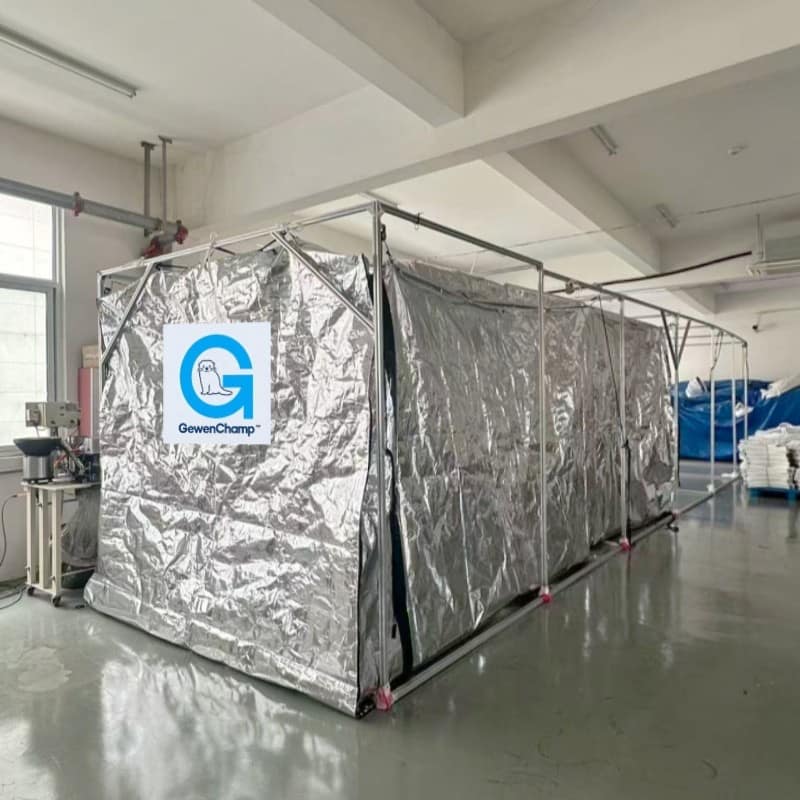
Getting the Right Liner for Your Next Break Bulk Shipment
Protecting break bulk cargo from moisture and contamination does not require overcomplicating the process, but it does require matching the liner to the cargo type and following a disciplined installation routine. Giant Flexpack manufactures a full range of container liners, from high-strength woven liners for heavy industrial loads to PE film liners certified for food-grade applications. We supply liners in standard and custom sizes for 20ft and 40ft containers, with options for anti-static, anti-UV, and full FDA compliance where required. If you are planning a break bulk shipment and want to verify the correct liner specification for your cargo, send your part numbers, load weight, and destination route to [email protected] or call +86 523 87683880. Our team can confirm the best liner option and provide a sample before you commit to a full order.
Common Questions About Container Liners for Break Bulk Cargo
How do I know if my break bulk cargo is too sharp for a liner?
Start by checking whether any surface on the cargo can apply concentrated pressure below about 15 N per square millimeter; that is roughly the threshold where even a 140-micron PE film can perforate under sustained load. Woven liners push that threshold higher, roughly into the 30 to 40 N/mm² range depending on fabric weight. For machined metal parts, castings with flash, or pallets with exposed nail heads, a woven liner plus protective matting or corner boards is usually sufficient. If the cargo includes cutting edges or very heavy concentrated points, it is worth sending photographs to the liner manufacturer before specifying the material. We handle these evaluations regularly to avoid trial-and-error failures.
Is it possible to reuse a container liner after a break bulk shipment?
It depends on the liner construction and how aggressively the cargo was handled. Woven liners rated for reuse, such as many thermal liners and heavy-duty woven designs, can often survive three to five trips if they are carefully cleaned and inspected for pinholes or seam separation. PE film liners are almost always single-use because thin films are likely to have hidden punctures after one cycle. Even with reusable liners, I recommend a post-shipment inspection that includes visual checks under bright light and a seam pull test before committing to another load. For mixed break bulk where the risk of abrasion is higher, planning for single-use is the safer default.
Can I install a container liner myself, or do I need a specialist crew?
A standard six-wall liner can be installed by a two-person team with basic training in under 20 minutes. The key is following the sequence: inspect the container, unfold the liner correctly, secure the front wall first, and then expand the sides. For break bulk with forklift loading, the installer needs to understand how to protect the liner entry zone and where to place the loading spout if one is used. Many liner manufacturers provide step-by-step guides or video instructions. Giant Flexpack ships every liner order with installation documentation, and we can also arrange remote walkthrough support for first-time users.
What happens if the liner tears during loading but the container door hasn’t been closed yet?
If you catch a tear before the container is sealed, do not patch the liner and assume it will hold. Taped repairs rarely survive the vibration and humidity changes of an ocean voyage. Instead, pull the damaged liner out, inspect the container again for the cause of the tear, and install a fresh liner. Keeping a spare liner at the loading site is a cheap insurance policy that has saved many shipments from last-minute damage. For small pinholes discovered after loading, some woven liners can be spot-sealed with compatible adhesive tape, but the effectiveness depends on the tear location and the liner material. Discuss these contingency scenarios with your supplier when you order. Share your specific loading conditions with us at [email protected] and we will include practical spare-liner recommendations in your quotation.
 English
  German
  Spanish