
Shipping dry bulk foods across international borders isn’t just about keeping cargo dry. When your destination is the United States, the packaging touching your product falls under the jurisdiction of the U.S. Food and Drug Administration. A container liner that isn’t FDA compliant can trigger a costly detention at the port, a rejected shipment, or a recall — none of which are acceptable for a supply chain manager or food exporter. I’ve spent the better part of my career helping grain, sugar, cocoa, and beverage exporters navigate these precise technical thresholds. The core mechanism that makes a liner FDA compliant isn’t a certificate alone — it’s the material composition and manufacturing control that the certificate verifies.
What “FDA Compliant” Actually Means for Container Liners
The FDA does not “approve” container liners in the way a testing lab approves a consumer device. Compliance falls under Title 21 of the Code of Federal Regulations (CFR), specifically the sections dealing with indirect food additives. This framework regulates substances that can reasonably be expected to migrate into food from the packaging material. For a bulk container liner, the analysis focuses on the chemical composition of the polymer film or woven fabric, the adhesives used in lamination, and the inks applied for printing if the printed surface contacts the product.
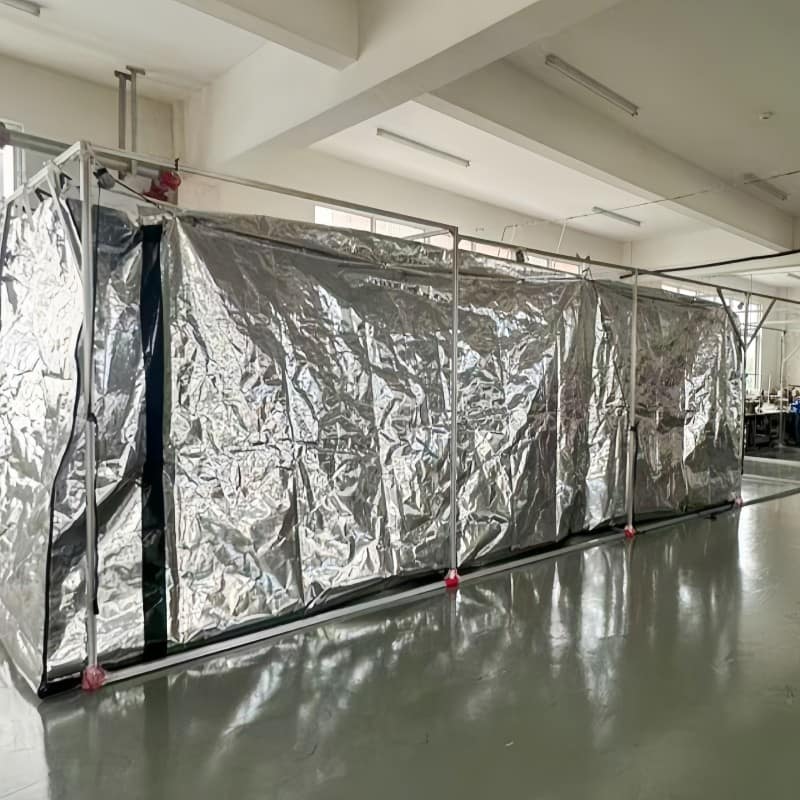
The key test is chemical migration. A compliant liner ensures that under specified temperature and contact conditions, any transfer of chemical compounds to the food stays below the migration limits set by the FDA. Often, products like our GewenChamp TL-01 thermal liner use aluminum foil and woven PE composites that serve a thermal function while maintaining these strict migration barriers. The challenge for exporters is that a liner can look perfect and still fail if the resin supplier changed a plasticizer without updating the food contact documentation.
Material Requirements for Food Contact Liners
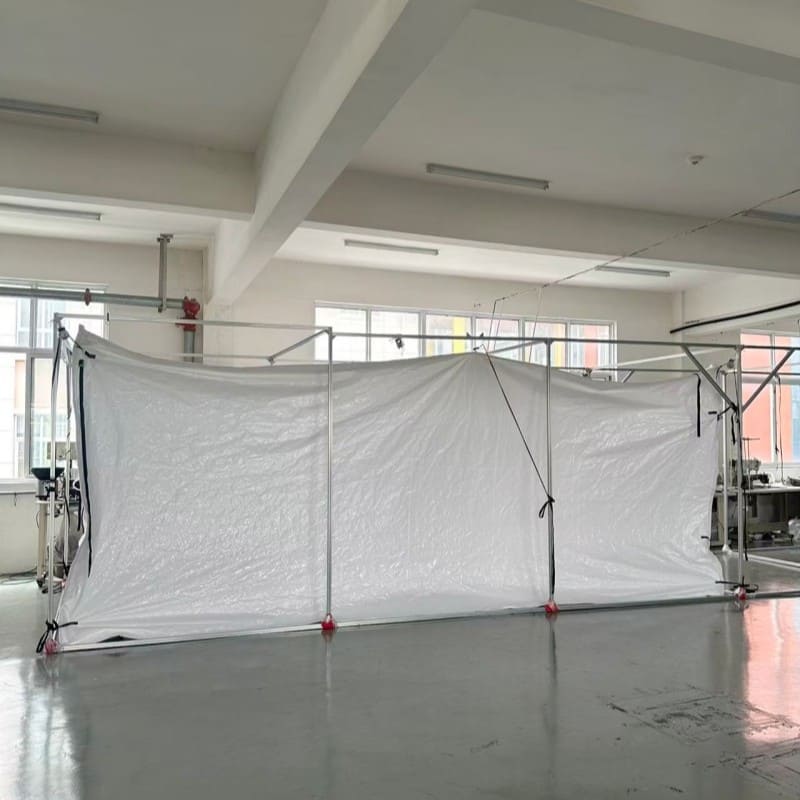
The substrate of the liner dictates its compliance pathway. Low-Density Polyethylene (LDPE) liners, like our DBL-F01 PE Film Container Liner, form the bulk of the food-grade market because pure LDPE is naturally inert and widely recognized as safe for food contact when properly manufactured. Clarity also matters — a transparent LDPE liner allows visual inspection before loading, crucial for quality control in sugar or rice exports.
Woven polypropylene (PP) or high-density polyethylene (HDPE) liners introduce a different set of variables. The base woven fabric, usually 110–140 gsm, offers excellent tensile strength — warp tension exceeding 1,800 N/5cm — but the coating or lamination layer is the true food-contact surface. For instance, a standard DBL-W02 Malt Grade liner uses a double-sided LDPE lamination. That LDPE layer is the compliance workhorse, completely encapsulating the woven skeleton. In our production planning, we specify food-grade raw materials back to the resin lot. If a liner manufacturer cannot provide the resin supplier’s FDA documentation alongside their own finished product Certificate of Analysis, treat it as a red flag.
Testing & Documentation: What Exporters Must Require
A credible compliance package for an FDA-compliant container liner rests on three documents: the Certificate of Analysis (CoA), the supplier’s Good Manufacturing Practice (GMP) statement, and third-party migration test reports where applicable. The CoA must trace to the specific batch you are receiving, not a generic yearly attestation. In the food bulk transport programs we support, we include a detailed CoA that specifies the resin grade, the lamination PE type, and confirmation that no recycled post-consumer material is used in the food-contact layer — a requirement under many FDA food additive regulations unless specifically authorized.
The migration test simulates the intended use. For dry bulk foods, this might involve a Tenax simulant test to measure chemical transfer from the film under worst-case time and temperature conditions the cargo might face, such as 40°C for 10 days in a summer sea freight scenario. I’ve seen shipments held at entry points because the Exporter had a “food-grade liner” invoice but could not produce a batch-specific CoA confirming FDA CFR 21 compliance for the inner layer. The supply chain delay cost far exceeded the marginal cost of sourcing a fully documented liner from the start.
Common Compliance Risks in Food Shipping
The most persistent risk is condensation-driven migration. When a bulk container travels from a warm loading port to a cooler oceanic climate, moisture condenses on the inner container roof — a phenomenon known as “container rain.” If that moisture drips onto an uncoated woven liner or a PE liner with only a thin film layer, it can extract chemical compounds from the fabric or adhesives and pull them into the food cargo. This is both a moisture damage and a chemical compliance failure.
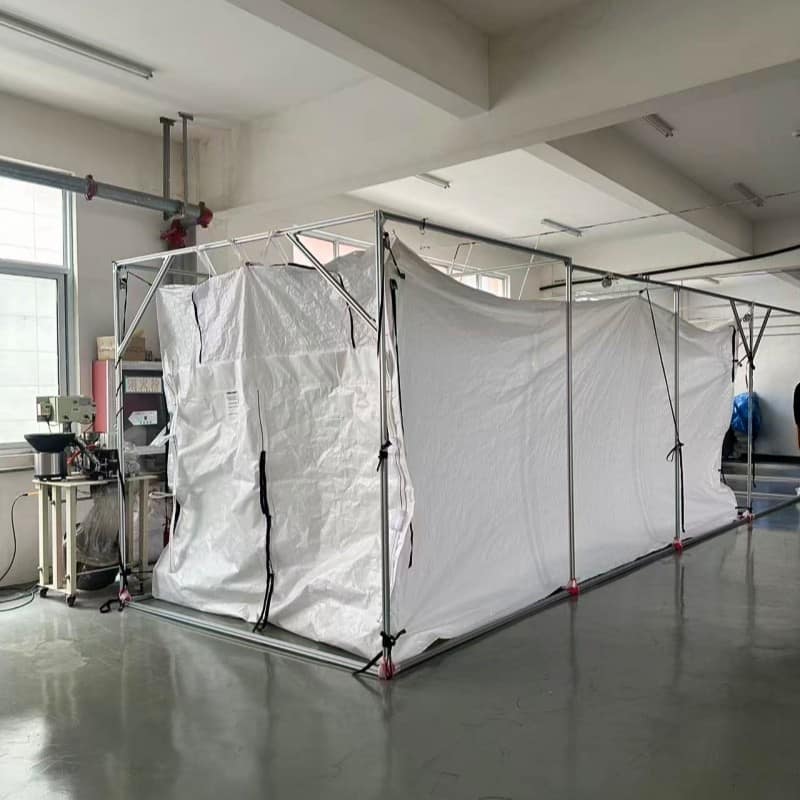
Another risk is misapplication of industrial-grade liners. An industrial sift-proof liner designed for cement or titanium dioxide might use PU tape sealed seams or chemical-resistant coatings that are not rated for food contact. The physical structure can appear identical — a white woven bag inside a container — but the chemical profile is unsafe. I always recommend exporters run through a simple checklist: confirm the liner’s intended use declaration, verify the food-contact migration data for the specific acid or fat profile of your cargo (cocoa butter and oils are aggressive extractors), and inspect the non-food-side labeling to ensure no toxic printing inks face inward.
Specifying the Right Liner for Your Cargo Type
Different food cargoes stress a container liner’s compliance boundary in different ways. Granulated sugar loads heavily and tends to cake with moisture, so a 140-micron LDPE film liner provides a smooth, inert barrier. Bulk cocoa beans undergo respiratory heat and release volatile organic compounds, which makes a woven HDPE fabric with a thick food-grade lamination preferable — it breathes slightly while maintaining a migration-resistant inner wall.
For liquid or high-moisture foods like juice, wine, or bulk cooking oil, we typically deploy multi-layer film structures combining aluminum foil and LDPE. In the GewenChamp TL-04, the metallized PET reflects radiant heat while the PE layer directly interfaces with the food-grade environment. The chemical barrier property becomes critical here; the longer the contact time between the liner and the liquid, the more crucial the FDA CFR 21 compliance for that specific polymer becomes. If your program involves oils or acidic foods, the liner specification should explicitly cite testing for fatty food simulants, not just aqueous or dry simulants.
Securing Your Food Export Line
Deploying an FDA-compliant container liner is a risk management decision as much as a procurement one. The structural separation of your bulk food from the container’s metal walls is the physical requirement; the validated absence of chemical contaminants in that barrier is the legal requirement. When both are met transparently, a US customs clearance becomes a routine procedure rather than a regulatory gamble.
If you’re evaluating current liners or planning a new food export route, start by aligning your liner’s certification package with your specific product’s fat, acid, and moisture content. We often work with food exporters to verify these chemical migration thresholds against their actual shipping routes and temperature profiles — a necessary step before committing to a full container load program. To discuss your cargo’s requirements or request batch-specific compliance documentation, reach out to our team at [email protected] or call +86 523 87683880.
Common Questions About FDA Compliant Container Liners
Are all PE liners automatically FDA compliant?
No. LDPE and HDPE resins are widely accepted for food contact, but the finished liner is only compliant if the manufacturing additives (slip agents, antioxidants, colorants) and lamination processes also meet FDA CFR Title 21 requirements. A liner stamped “PE” without a batch-specific food-contact CoA is not a verified compliant product.
How do I know if a thermal liner is safe for food?
Check that the food-contact layer is explicitly listed in the compliance documentation. In a four-layer thermal liner like the GewenChamp TL-02, the outer aluminum foil and EPE foam provide thermal performance, but the inner PET aluminum foil or PE layer is the surface touching the food. That specific layer must be the one tested for migration, not just the composite as a whole.
What is the shelf life of an FDA-compliant liner?
Physically, a PE or woven PP liner stored in a cool, dry warehouse away from direct UV radiation can retain its mechanical properties for two to three years. For compliance purposes, the critical date is the batch CoA validity and any resin supplier shelf-life recommendations. We recommend using liners within 18 months of manufacture for full confidence in migration test validity.
Can I reuse a food-grade liner?
In theory, a reusable liner like the GewenChamp TL-01 can withstand several cycles physically. In practice, the FDA prohibits the reuse of single-trip food contact packaging unless the packaging is explicitly designed for repeated use and a validated cleaning protocol is in place. For bulk container liners, the safest and most compliant route is a single-use model to prevent cross-contamination between cargoes. If your sustainability goals require a reuse program, it is worth confirming the cleaning validation documentation with your supplier before planning a multi-use cycle.
 English
  German
  Spanish