
Sustainable packaging trends in 2025 are moving bulk shippers toward reusable liners and passive cold chain because these systems demonstrably slash plastic waste and carbon emissions without compromising cargo protection. As regulatory pressure mounts and corporate net-zero targets fast approach, logistics managers are looking beyond consumer-facing packaging to tackle the significant waste streams generated by ocean freight container liners. Most industry trend reports still focus on retail packaging; the practical reality for bulk logistics is that high-performance reusable container liners and passive temperature control solutions offer immediate, measurable sustainability gains. Drawing on two decades of thermal packaging manufacturing, this article cuts through the noise to highlight the trends that matter for bulk shippers.
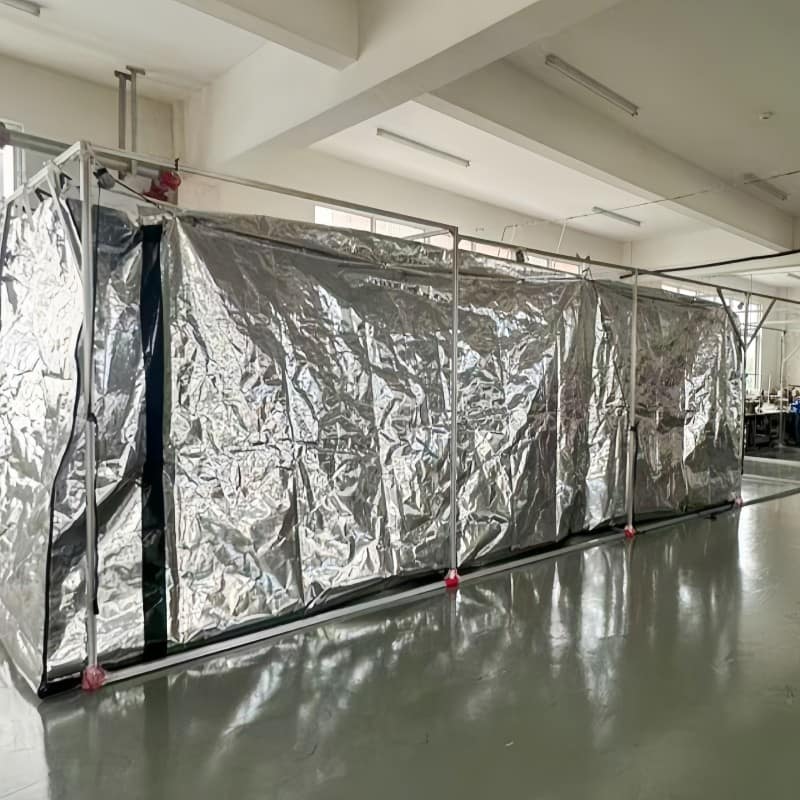
Sustainable Packaging Trends Driving Change in 2025
The most consequential sustainable packaging trends for bulk shippers are not futuristic biomaterials, they are practical reuse systems and passive temperature management that cut single-use plastic at the source. The European Union’s Packaging and Packaging Waste Regulation is tightening extended producer responsibility, while major shipping lines face mounting pressure to disclose and reduce Scope 3 emissions. In parallel, importers in North America and Europe are increasingly building recyclability and reuse criteria into procurement contracts, making container liner selection a compliance and competitiveness issue. The bulk cargo segment is uniquely positioned, because unlike consumer goods, a container liner can be designed for multiple trips without complex collection infrastructure.
Why single-use packaging is a target in 2025
Volume matters. A single 40-foot container loaded with polymer pellets might use a 140-micron PE liner weighing 30 kilograms. Multiplied across tens of thousands of shipments, the material stream becomes significant. Regulatory bodies now treat those liners not as incidental packaging but as accountable waste under extended producer responsibility schemes. The shift toward reusable alternatives is the most straightforward engineering response.
Reusable Container Liners: A Sustainable Packaging Solution
From a materials engineering perspective, the most impactful sustainable packaging solution for dry bulk and thermal cargo is the reusable container liner. The concept is simple: instead of discarding a liner after one voyage, a constructed multi-layer liner completes three to five trips before retirement, directly dividing the per-shipment material consumption by the number of cycles.
In our work with resin and chemical exporters, the transition to reusable liners routinely produces a measurable drop in packaging waste. A TL-01 thermal liner, for example, uses a woven PE core bonded to double-sided aluminum foil. The aluminum reflects 95 to 97 percent of radiant heat while the woven fabric provides tensile strength for repeated installation and removal. After four round trips on a fixed trade lane, the liner’s thermal performance is still within specification, and the waste generated per container-kilometer is a quarter of what a single-use design would produce.
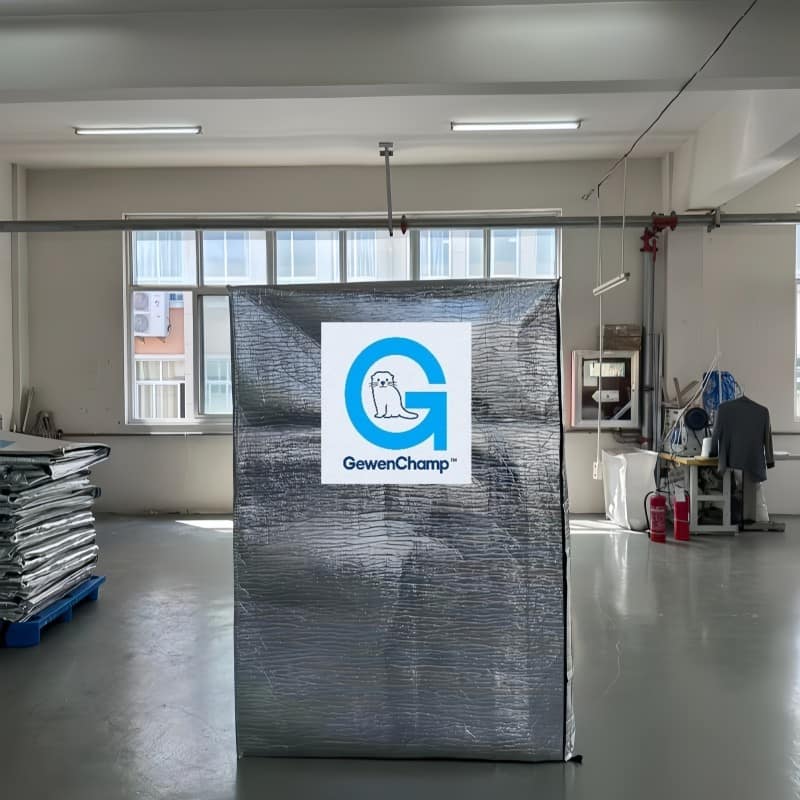
The table below compares liner types by reuse potential and carbon reduction mechanism.
| Liner Solution | Reuse Cycles | Radiant Heat Reflection | Carbon Reduction Pathway |
|---|---|---|---|
| TL-01 Woven Thermal Liner | 3–5 | 95–97% | Cuts reefer demand per voyage |
| TL-02 EPE Foam Liner | 3–5 | 98% (MPET outer) | Eliminates active cooling for many routes |
| TL-03 Double Bubble Liner | 3–5 | Up to 98% | Reduces temperature-induced spoilage |
| DBL-W01 Dry Bulk Liner | Multi-trip (with care) | N/A | Replaces hundreds of single-use bags per shipment |
The discussion around synthetic packaging often defaults to biodegradability. In heavy bulk logistics, that is currently a dead end. Compostable films with the tensile strength to hold 20 tons of granular cargo and the moisture barrier to prevent water vapor transmission simply do not exist at commercial scale. The practical alternative is high-durability reuse, combined with eventual recycling of the spent liner material where local infrastructure allows.
If your bulk shipping program handles temperature-sensitive cargo across long sea routes, it is worth confirming whether a passive thermal liner can replace your current reefer usage. Reach out at [email protected] to discuss a thermal audit.
Thermal Liners: Reducing Carbon via Sustainable Packaging
Reusable thermal liners deliver carbon savings through a mechanism many sustainability reports overlook. A standard reefer container consumes roughly 4 to 7 kilowatts of electrical power continuously, generating approximately 5 to 10 tons of CO₂ equivalent on a 30-day ocean voyage, depending on the energy mix of the vessel. Replacing that active cooling with a passive insulation system eliminates the direct energy consumption entirely for products that tolerate a stable ambient-plus range.
The GewenChamp TL-02 EPE foam liner demonstrates the principle clearly. Its four-layer construction places a 3mm cross-linked polyethylene foam core between reflective MPET outer films, achieving thermal conductivity below 0.038 W/(m·K). We have supported cocoa bean shipments from West Africa to Europe where this liner maintained temperature variance within ±5°C across a 28-day voyage without any electrical input. The avoidance of reefer energy equates to a reduction of roughly 4 to 6 tons of carbon dioxide per container, depending on the route and season. For a mid-volume shipper running 200 containers annually, the cumulative figure becomes material to ESG reporting.
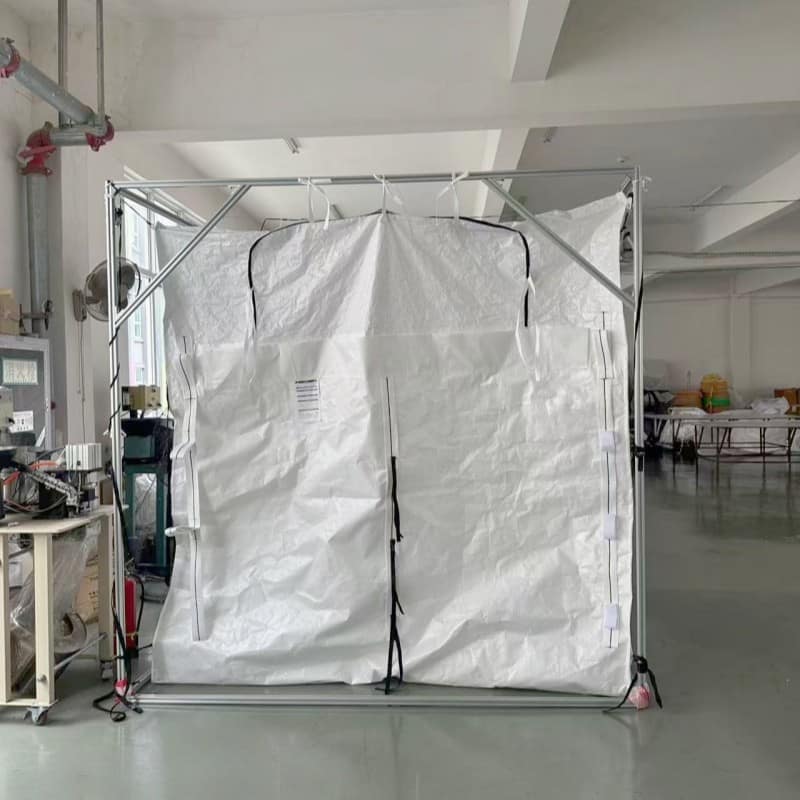
The same passive principle applies to frozen and chilled cargo when the transit time is manageable. TL-03 double bubble liners, with their staggered bubble cushion layer, can hold temperatures between -20°C and 30°C for 24 to 48 hours without external energy, and up to 72 hours with ice packs. While not a universal replacement for active refrigeration, they represent a low-carbon alternative for an expanding bandwidth of products, from fruit concentrates to pharmaceutical intermediates.
Navigating Sustainable Packaging Regulations and Standards
For bulk shippers, sustainable packaging in 2025 is not just a material choice, it is a compliance exercise. Three regulatory frameworks dominate: EU REACH (Registration, Evaluation, Authorisation of Chemicals), which restricts substances of very high concern in articles including packaging; EU RoHS, which controls hazardous substances in materials that might end up in recycling streams; and various food-contact regulations anchored by FDA 21 CFR and EU Framework Regulation (EC) No 1935/2004. A container liner that can be reused must also demonstrate that its material composition does not introduce contamination risks over multiple trips.
All of Giant Flexpack’s container liners hold current certifications to these standards. That means every batch of raw material, from the polyethylene film to the adhesive layers in a composite thermal liner, is tested and documented. For a bulk shipper, this certification chain converts a potential audit burden into a known variable. You can present a material declaration to an importer or a retailer without commissioning fresh tests for each shipment.
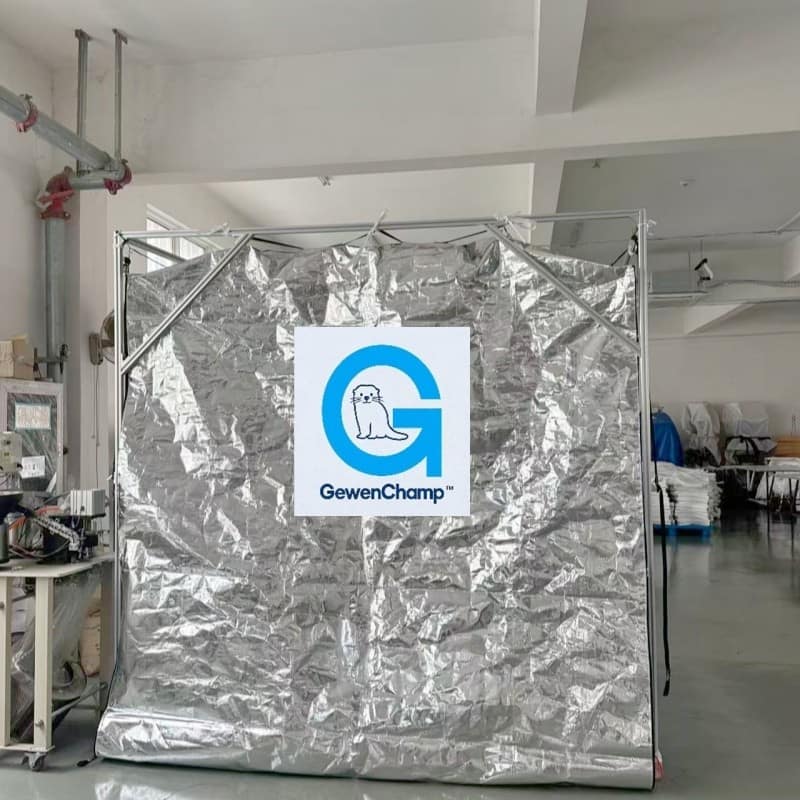
The direction of travel is clear. The EU Circular Economy Action Plan and similar initiatives in North America are moving toward mandatory recycled content thresholds and design-for-recycling requirements. Reusable container liners, with their extended service life and eventual recyclability, align with these coming mandates more naturally than single-use alternatives that will face ever-higher disposal levies.
Your Sustainable Packaging Roadmap for Bulk Shipping
Adopting reusable and thermal container liners is less disruptive than many logistics managers anticipate. The process typically follows four stages.
First, audit your current liner consumption and spoilage rates by trade lane. Identify which routes generate the most packaging waste and which cargos show temperature-related claims. In many cases, the lanes with the highest waste are also the ones where a multi-trip liner pays back fastest. Second, match liner performance to your worst-case environmental conditions, not your average voyage. A thermal liner that works on a February North Atlantic crossing will work year-round. Third, run a single-lane pilot with volume sufficient to generate 8 to 10 data points on reuse cycles, cargo condition, and handling time. We typically advise a 3-month trial with a single liner type before incorporating the solution into standard operating procedures. Fourth, integrate the liner return and inspection process into your container turnaround workflow. The reverse logistics add a step, but the per-shipment cost savings from reduced liner purchase and lower disposal fees offset the handling time in most lanes.
Turning Sustainable Packaging Trends Into Your Competitive Advantage
Logistics directors face the real tension of meeting sustainability targets while controlling per-shipment cost and protecting cargo. The good news is that reusable thermal and dry bulk liners attack all three variables at once. They lower the cost per trip after the second use, they eliminate tens of kilograms of single-use plastic per container, and they provide consistent temperature and moisture protection that reduces claims.
As an established Sino-American joint venture with over 20 years of manufacturing experience, Giant Flexpack supplies GewenChamp thermal container liners and woven dry bulk liners that are purpose-engineered for multiple reuse cycles. Every liner carries FDA, LFGB, ISO9001, REACH, and RoHS certifications, giving you a documented chain of compliance from factory to destination. Whether you are shipping cocoa beans, plastic pellets, or temperature-sensitive industrial chemicals, the quickest way to translate 2025 sustainability trends into operational reality is a specific, customized liner evaluation. Share your cargo specifications, trade lane, and volume with us at [email protected] or call +86 523 87683880, and we will recommend a liner configuration that matches your protection requirements and your carbon reduction goals.
Questions Bulk Shippers Ask About Sustainable Packaging
Are biodegradable container liners available for heavy bulk cargo today?
Biodegradable liners are not commercially ready for heavy-duty ocean freight. Current compostable films lack the tensile strength to hold 20 to 30 tons of granular material and do not deliver the moisture vapor transmission barrier needed to prevent cargo caking or spoilage. Research continues, but for the foreseeable future the practical sustainability play is high-durability reuse combined with downstream recycling.
Will switching to a reusable liner compromise food-grade certification?
It is a common misconception that multi-trip liners cannot meet food safety standards. Our reusable thermal liners are certified to FDA and LFGB, and the manufacturing process builds traceability into every batch. Between uses, the liners are inspected and cleaned according to documented procedures, maintaining full compliance for food and beverage ingredients. The documentation trail is no different from what a single-use liner requires, the difference is that the same material is qualified for multiple trips.
How much carbon reduction can I realistically claim from a thermal liner?
The answer depends on your route and cargo sensitivity. For a West Africa to Europe cocoa bean shipment, replacing an active reefer with a passive TL-02 liner cuts approximately 4 to 6 tons of CO₂ equivalent per container, based on the electrical energy that is no longer consumed during the voyage. A liner that runs multiple trips multiplies that figure. These are values large enough to register on a corporate carbon ledger, and they are verifiable through standard emission factor databases applied to the displaced energy use.
What is the lowest-risk way to introduce reusable liners into our supply chain?
From our experience onboarding dozens of shippers, the lowest-risk path is a controlled pilot on a single trade lane with moderate cargo volume. We typically help clients select one liner type, define a 3-month trial window, and measure both waste reduction and cargo condition across eight or more shipments. This generates enough data to project annual savings and operational impact before committing to a fleet-wide change. Share your route and cargo details with us at [email protected] to explore a trial configuration that fits your sustainability timeline.
 English
  German
  Spanish