
Bulk cargo moisture prevention is not simply a matter of throwing desiccant bags into the container. The real threat is condensation, driven by temperature swings that cause humidity to condense on cargo and walls—a phenomenon known as container rain. When bulk goods absorb that moisture, they can cake, mold, or degrade, resulting in rejected shipments and insurance claims. At Giant Flexpack, we have spent two decades engineering container liners that stop condensation at its source. By combining high-barrier materials like aluminum foil with low-vapor-transmission layers, anti-condensation liners create a physical shield that prevents moisture from ever reaching the cargo surface.
How Bulk Cargo Absorbs Moisture
A container at sea experiences significant temperature swings. During the day, the roof can reach 60°C or more under direct sunlight, while at night it drops sharply. As the container cools, the air inside reaches the dew point, and water vapor condenses on the coolest surfaces—typically the ceiling and side walls. This condensation drips onto the cargo or directly saturates hygroscopic materials like grains, sugar, or cocoa beans. The cargo itself can absorb moisture from the air, raising its water content and triggering chemical reactions or microbial growth. Even dense materials like PVC resin can adsorb surface moisture, leading to caking and clumping that blocks discharge equipment.
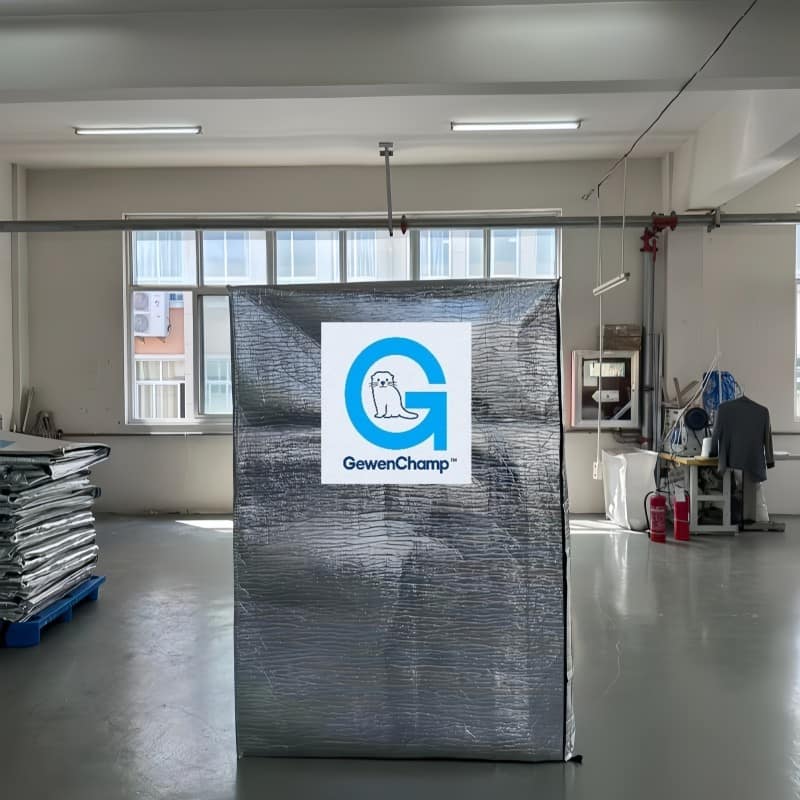
What Is the Container Rain Effect?
Container rain is the visible result of this condensation cycle. As water droplets form on the container’s ceiling and fall onto the cargo below, it mimics rain. The effect is most severe with rapid cooling after a hot day, or when sailing from warm to cold climatic zones. This is why a simple roof liner or a handful of desiccant bags alone cannot prevent moisture damage—the source is the ever-present humidity inside the container, which modern anti-condensation liners are designed to block before it ever condenses.
Why Desiccants Alone Fall Short for Bulk Cargo
Many logistics managers default to desiccant poles and bags, treating moisture as something to be absorbed after it appears. While desiccants help, they are reactive rather than proactive. They cannot stop the thermal cycling that drives condensation, and their capacity is fixed. Once saturated, they offer zero protection. For goods like titanium dioxide or kaolin clay, which can discolor or cake with just small amounts of surface moisture, desiccant-only approaches are risky. Our technical team at Giant Flexpack frequently advises clients that a properly specified container liner with anti-condensation properties provides a far more reliable barrier, especially on long-haul routes passing through equatorial waters.
When Are Desiccants Not Enough?
Desiccants fall short when the container undergoes repeated day-night temperature cycles exceeding 10°C. Each cycle generates new condensation, and the desiccant’s capacity is eventually exhausted. Additionally, some cargoes—like corn or soybeans—contain inherent moisture that they release slowly, pushing the internal humidity above the desiccant’s absorption rate. In these conditions, only a liner that blocks vapor transmission can provide sustained protection.
How Anti-Condensation Container Liners Block Moisture
An anti-condensation liner works on two principles: blocking radiant heat and intercepting water vapor. The liner is installed against the container’s interior walls, creating an air gap and acting as a thermal break. The outermost layer, typically metallized PET (MPET) or aluminum foil, reflects up to 95% of radiant heat, reducing the temperature swing inside the container. This lessens the dew point crossing frequency. The inner layers, often including EPE foam or woven PE, provide insulation and structural integrity. Crucially, the liner’s vapor transmission rate (MVTR) determines how well it stops humidity from passing through. Our GewenChamp TL-02 liner, for example, has an MVTR of ≤0.033 g/(m²·h·kPa) and a thermal conductivity of ≤0.038 W/(m·K). This combination keeps the cargo stable and the dew point above the saturation level, so the air never reaches the point where condensation occurs on the cargo surface.
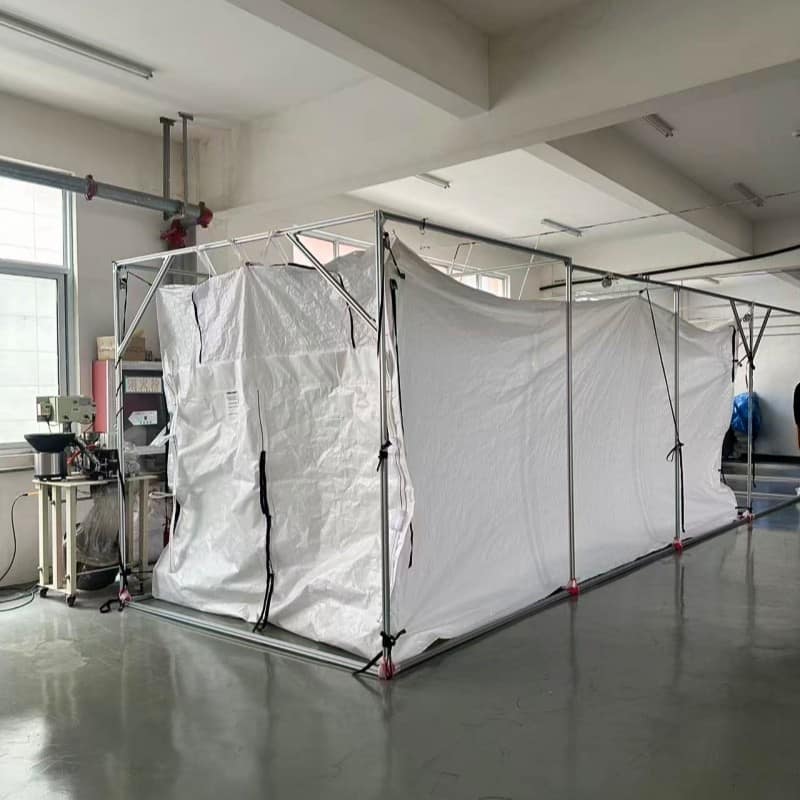
What Is Vapor Transmission Rate and Why Does It Matter?
Vapor transmission rate measures how much water vapor passes through a material per unit area over time. A lower MVTR means a better moisture barrier. Standard PE film may have an MVTR around 1–2 g/(m²·h·kPa), which allows significant moisture ingress over a month-long voyage. An MPET/aluminum foil composite can reach 0.03–0.05, effectively eliminating condensation risk for most cargo types. This is the key metric that separates general-purpose plastic sheets from engineered anti-condensation liners.
How Multi-Layer Liners Control the Dew Point
The multi-layer construction manages both temperature and humidity simultaneously. The reflective outer layer reduces heat gain, while the foam or bubble layer slows heat transfer. The combined effect stabilizes internal temperatures within a narrower band, so the difference between the air temperature and the dew point remains positive. Under controlled tests, our TL-02 liner maintained temperature variance within ±5°C across 24-hour cycles, preventing the dew point from crossing into condensation territory.
If you are dealing with shipments where even a small amount of moisture means rejected cargo, it is worth confirming the MVTR and R-value of any liner you consider. Reach out to us at [email protected] with your cargo type and route details, and we will help you validate the specifications.
Choosing the Right Container Liner: Materials and Selection
The moisture protection performance of a container liner depends on its material layers and vapor transmission properties. The table below summarizes our GewenChamp series and a standard PE film for comparison.
| Liner Model | Structure | MVTR (max) | Thermal Performance | Recommended Use |
|---|---|---|---|---|
| DBL-F01 PE Film | Single-layer LDPE | ~1.0 g/(m²·h·kPa) typ. | None | Non-hygroscopic dry goods, low-moisture routes |
| TL-01 Woven Thermal Fabric | 2-layer: Woven PE + Double-Sided Alu Foil | Low (foil barrier) | Reflects 95–97% radiant heat | General dry bulk with moderate moisture sensitivity |
| TL-02 EPE Foam | 4-layer: PET Alu Foil / Woven PE / 3mm EPE / PET Alu Foil | ≤0.033 g/(m²·h·kPa) | ≤0.038 W/(m·K), operating range -50°C to 80°C | High-value hygroscopic cargoes, long-haul extreme routes |
| TL-03 MPET/Double Bubble/MPET | 4-layer: MPET / Double Bubble / PET MPET | Very low (reflective) | Bubble insulation, shock absorption | Moisture- and shock-sensitive goods, frozen cargo |
| TL-04 MPET/PE Composite | MPET film + PE composite | Low | Moderate, for 24–48h stability | Lightweight, cost-effective for medium-haul, moderate climates |
All Giant Flexpack liners meet FDA and LFGB food-grade standards, with ISO 9001 quality management backing. Selecting the right liner starts with your cargo’s moisture sensitivity. Highly hygroscopic materials—cocoa beans, soybeans, flour, sugar—demand liners with MVTR below 0.1 and at least partial thermal insulation. Less sensitive goods like PVC resin or polyethylene pellets may be adequately protected by a woven aluminum foil liner or a thick PE film. The shipping route also matters: a voyage from Southeast Asia to Northern Europe crosses hot and cold zones, making a liner like TL-02 essential. For short coastal hauls, TL-04 may be sufficient.
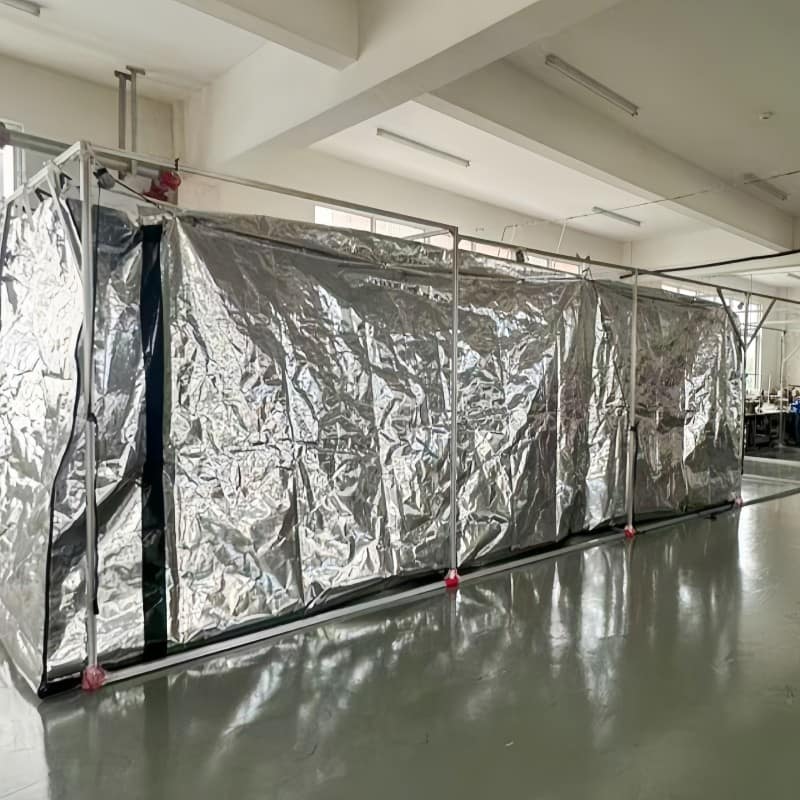
Cargo Type and Hygroscopicity
Cargoes that are naturally hygroscopic, such as grains, coffee beans, and starches, actively pull moisture from the air. They require not just a barrier but also a thermal liner that reduces temperature fluctuation, because their own moisture content can be pushed to unsafe levels by condensation. In contrast, plastic pellets or mineral powders are less hygroscopic but can suffer surface adsorption that causes flow problems during discharge. Matching liner MVTR to the cargo’s sensitivity prevents both damage and overspecification.
Certifications That Matter for Food and Chemical Export
If your cargo is food-grade, the liner must comply with FDA or LFGB regulations. Our anti-condensation liners are independently tested and certified, ensuring no chemical migration into the cargo. For chemical shipments, REACH and RoHS compliance confirms no restricted substances are present. Always request a certificate of analysis before using a liner with sensitive materials. Not sure which certification applies to your market? Share your destination and cargo type with us at [email protected], and we can verify compliance documentation readiness.
Prevent Moisture Damage with the Right Liner
Moisture damage is a preventable loss. Every shipment that arrives with caked material or mold represents not just the cost of the goods, but also shipping fees, insurance deductibles, and missed customer deliveries. Specifying a container liner engineered to block condensation removes the root cause rather than treating the symptom. Giant Flexpack’s GewenChamp anti-condensation liners are used by exporters worldwide to ship everything from cocoa beans to titanium dioxide without moisture claims. To get the right liner specification for your cargo and route, send your part number and quantity to [email protected] or call +86 523 87683880. We will provide a free technical consultation with performance data and certifications.
Common Questions About Bulk Cargo Moisture and Container Liners
How does a container liner stop moisture compared to desiccants?
A container liner physically blocks moisture from reaching the cargo, whereas desiccants absorb moisture that has already entered the container. An anti-condensation liner with a low MVTR prevents water vapor from passing through in the first place. This proactive approach is more reliable for long voyages, especially with hygroscopic goods. Desiccants can be used as a supplementary measure inside a liner, but they should not be your primary moisture control strategy.
Can I reuse an anti-condensation container liner?
In our experience, high-quality multi-layer liners like the TL-02 can be reused 3–5 times, provided they are inspected for punctures and tears after each trip. Proper handling during unloading and storage—fold carefully, keep dry, and avoid sharp objects—is essential. Reuse does not compromise moisture protection so long as the foil layers remain intact and the seams are undamaged. This approach significantly lowers per-shipment cost and reduces packaging waste.
What is the most important specification when comparing moisture barrier liners?
The vapor transmission rate (MVTR) is the most critical specification. It tells you directly how much moisture can penetrate the liner over time. For hygroscopic cargoes, look for MVTR ≤0.1 g/(m²·h·kPa); the lower, the better. A liner that does not publish MVTR, or rates only in ambiguous terms like “waterproof,” provides no verifiable performance baseline and should be avoided for moisture-sensitive shipments.
How long does it take to install the liner, and what is the key to success?
Installation of a six-wall anti-condensation liner typically takes 10–15 minutes with two workers and no special tools. Our liners come with pre-fitted tapes and guides. The key is securing the liner tightly against the container walls to eliminate air gaps that could trap humidity. Poor installation is the most common cause of liner failure. If you are new to using container liners, our team can provide specific installation walkthroughs and video support. Call +86 523 87683880 or email [email protected] to arrange a pre-shipment briefing.
 English
  German
  Spanish