
Exporting bulk food products across international borders requires more than just competitive pricing and reliable logistics. The packaging material that comes into direct contact with the cargo can either protect its purity or become the single point of failure that triggers a rejected shipment at customs. I have seen food exporters assume that any plastic liner is “food grade,” only to discover that their container liner lacks the specific certification required by the destination market. A cargo hold full of cocoa beans or sugar can be quarantined at port when the paperwork for the bulk packaging does not match the importing country’s regulatory expectations. The core difference between a smooth clearance and a costly detention often comes down to whether your container liners carry the right food safety credentials: FDA for the United States, LFGB and EU regulations for Europe, and additional standards for niche international markets. This article examines the actual certification framework that governs food-grade container liners, why different markets demand different standards, and what a buyer should verify before committing to a bulk packaging order.
What Makes a Container Liner Food-Grade
A food-grade container liner is not defined by a single global standard. Instead, it is a combination of the raw material’s chemical safety, the manufacturing process hygiene, and the finished product’s resistance to migration. The baseline requirement is that no harmful substances transfer from the liner into the food cargo under expected transport conditions, including elevated temperatures and extended contact times during long sea voyages. Polyethylene (PE) and polypropylene (PP) are the dominant base materials precisely because they are chemically inert polymers that do not react with dry bulk commodities like grains, sugar, or plastic resins. However, the base resin alone does not guarantee compliance. Additives used during film blowing or weaving, such as slip agents, UV stabilizers, and processing aids, must also be assessed for food contact safety.
In our manufacturing processes at Giant Flexpack, we require that every raw material batch entering the production line is accompanied by a supplier declaration of conformity that traces back to the specific resin grade and additive package. This is not a marketing preference; it is a practical necessity. If a customer’s shipment is tested at a European border and the liner shows migration of a non-listed substance, the entire container load is considered adulterated, regardless of the cargo’s own quality. The definition of food-grade also extends to the physical cleanliness of the production environment. Dust, fiber contamination, or cross-contamination from non-food-grade production lines can compromise compliance just as thoroughly as chemical leaching. A facility producing food-grade liners must demonstrate segregation of materials, documented cleaning protocols, and a quality management system that prevents mix-ups. Without this operational discipline, even a liner made from certified raw materials can fail a third-party audit.
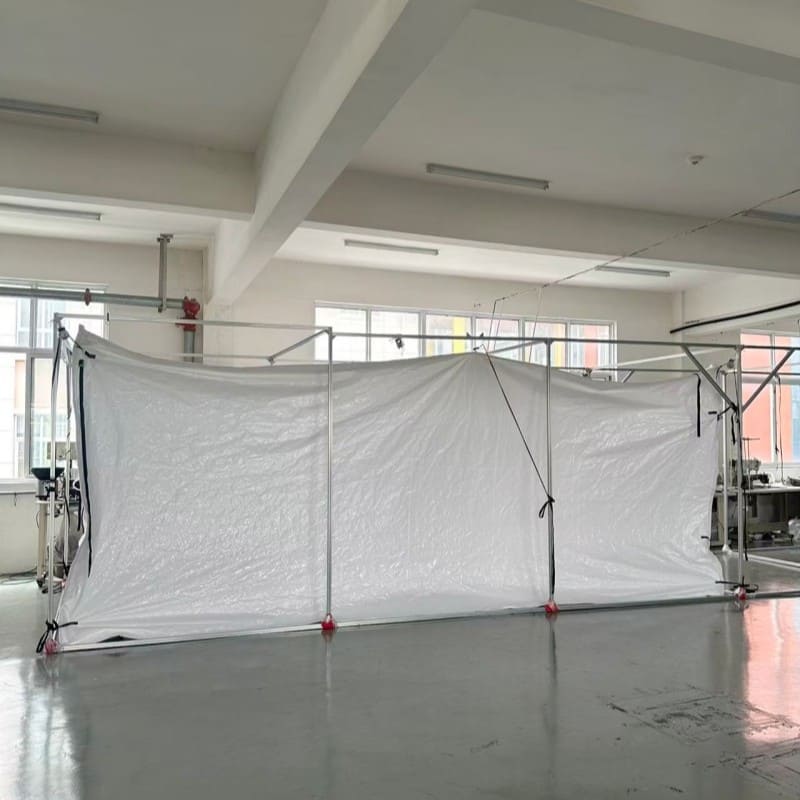
FDA 21 CFR Compliance for Container Liners Shipping to the US
The United States Food and Drug Administration regulates food contact materials under Title 21 of the Code of Federal Regulations (CFR). For container liners made from polyolefins such as polyethylene and polypropylene, the relevant sections are 21 CFR 177.1520 for olefin polymers and 21 CFR 178.2010 for certain antioxidant and stabilizer additives. The core principle is that any substance that can reasonably be expected to migrate into food must either be listed as an approved substance with specific usage limitations or be generally recognized as safe (GRAS). A container liner manufacturer claiming “FDA approved” must be able to provide a written letter of guaranty, as specified in 21 CFR 7.13, attesting that the product is in compliance with the applicable regulations.
I have noticed a common misunderstanding among buyers who assume that an ISO 9001 certificate or a general “FDA registered facility” status equates to end-product FDA compliance. They are separate domains. ISO 9001 confirms that the manufacturing quality system is documented and monitored, but it does not evaluate the chemical safety of the packaging material for food contact. An FDA facility registration means the establishment is listed with the FDA, not that its products have been reviewed or certified. Real compliance requires a migration testing report conducted under conditions of use that match the intended transport scenario. For dry bulk container liners carrying non-fatty, dry solids with a surface free of free fat or oil, the testing conditions are moderate. However, if the liner is intended for fatty foods or liquids, more aggressive simulants such as 95% ethanol or food oil must be used, and the acceptable migration limits are stricter.
When evaluating a supplier’s FDA claim, I recommend requesting a third-party test report from a laboratory accredited to ISO/IEC 17025 that explicitly references 21 CFR 177.1520 and the specific conditions of use. A generic “passed FDA test” without the testing parameters is insufficient for a customs compliance audit. The test report should identify the liner material, the simulant, the time and temperature of exposure, and the results for overall migration. For instance, our TL-01 and TL-04 thermal container liners are tested to confirm that under typical long-haul sea freight conditions, the overall migration remains well below the limit of 5 mg/dm² as specified by EU standards, which also serves as a strong indicator for FDA compliance because of the similarity in migration limits.
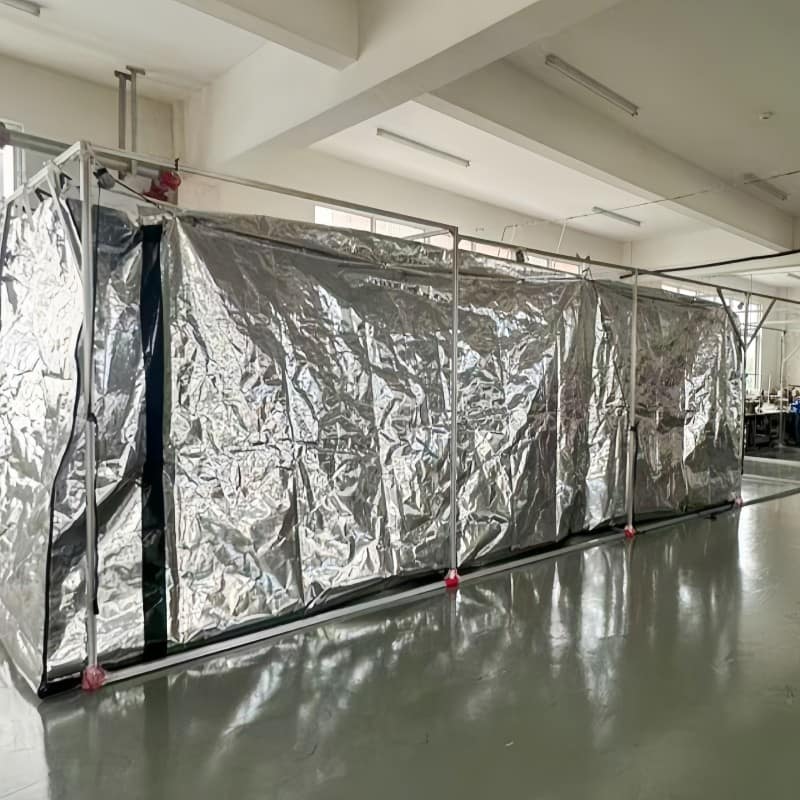
LFGB and EU Food Contact Regulations for Bulk Packaging
The European regulatory framework for food contact materials is anchored in Regulation (EC) No 1935/2004, which sets the general requirement that materials must not transfer their constituents into food in quantities that could endanger human health, bring about an unacceptable change in the composition of the food, or cause a deterioration in its organoleptic characteristics. Germany’s LFGB (Lebensmittel- und Futtermittelgesetzbuch) is often cited in supplier documents because it predates the harmonized EU regulation and has specific sections on sensory testing. A container liner that passes overall migration limits under EU 10/2011 for plastic materials may still fail LFGB if an independent sensory panel detects a detectable taint or off-flavor transferred to a food simulant.
The EU approach is more demanding than the FDA in at least one critical aspect: the positive list of authorised substances is exhaustive. Under Regulation (EU) 10/2011, a plastic food contact material must only use monomers, additives, and polymer production aids that are explicitly listed in the Union List, with specific migration limits (SML) assigned to each substance. A container liner that uses a processing aid not on the Union List, even if that substance does not migrate above any detectable threshold, is formally non-compliant for the European market. This has practical consequences for buyers sourcing from China. A manufacturer that supplies the US market successfully may not have reformulated its product for the European positive list, and the supplier may not volunteer this distinction unless specifically asked.
I have worked with European food importers who require not just a declaration of compliance but a full Declaration of Compliance (DoC) as specified in Article 15 of Regulation (EU) 10/2011. This document must contain the identity of the material, the date of the declaration, the confirmation of compliance with applicable requirements, and adequate information on the substances subject to restrictions to allow downstream business operators to ensure compliance for their final products. A well-prepared DoC for a PE container liner will itemize the resin grade, any masterbatch colors used, and the specific migration limits for any restricted additives. At Giant Flexpack, we maintain a technical file for each food-grade liner product that can be provided to customers to support their own compliance documentation, because we know that a European importer is ultimately responsible for placing compliant goods on the EU market, and an incomplete supplier declaration leaves that importer exposed.
Additional Regulations: REACH, RoHS, and Other International Standards
Beyond the core food contact standards, bulk container liners intended for global export are increasingly subject to overlapping environmental and safety regulations that directly impact market access. REACH (Registration, Evaluation, Authorisation and Restriction of Chemicals) is an EU regulation that addresses the production and use of chemical substances and their potential impacts on human health and the environment. For a container liner manufacturer, REACH compliance means ensuring that no Substances of Very High Concern (SVHC), as published in the Candidate List by the European Chemicals Agency, are present in the finished article above a concentration of 0.1% weight by weight. Buyers who are re-exporting the liner as part of their product to Europe must be able to confirm that their supplier’s articles do not contain SVHCs above the threshold, which requires a documented supply chain communication obligation under Article 33.
RoHS (Restriction of Hazardous Substances) is another regulation frequently requested by electronics and industrial customers, originally designed to limit the use of specific hazardous materials found in electrical and electronic equipment. In the context of container liners, RoHS compliance serves as a proxy for demonstrating that the plastic materials and any colorants are free from lead, mercury, cadmium, hexavalent chromium, and certain brominated flame retardants. While RoHS is not a food contact standard, customers shipping to markets where the liner may be incinerated or recycled alongside other packaging often request RoHS certification to satisfy their own environmental management system requirements.
A practical checklist for a supplier’s regulatory portfolio should also include ISO 10377:2013 for consumer product safety guidance in the supply chain and any specific regional certifications like China’s GB 4806 series for food contact plastics, which has been updated extensively in recent years and draws heavily from both EU and FDA methodologies. I have observed that the most efficient approach for a bulk packaging buyer is to ask the manufacturer for a single consolidated certificate that lists all applicable standards and test methods, rather than attempting to verify each standard in isolation through separate email threads. The certifications for our GewenChamp™ thermal container liners and dry bulk liners, for example, are bundled into a single document package that names the specific regulations and testing laboratories, which reduces the administrative burden for our customers’ customs clearance processes.
| Regulation | Primary Scope | Typical Required Test |
|---|---|---|
| FDA 21 CFR 177.1520 | US food contact olefin polymers | Overall migration in food simulants |
| LFGB §30/31 | German food contact with sensory requirements | Overall migration plus sensory (odor/taste) panel |
| EU 10/2011 | Harmonized EU plastic food contact materials | Overall migration and specific migration of listed substances |
| REACH (EC) 1907/2006 | Chemical safety for EU market access | SVHC content below 0.1% w/w |
| RoHS 2011/65/EU | Hazardous substances in materials | Absence of Pb, Hg, Cd, Cr6+, PBBs, PBDEs |
| GB 4806.7 | Chinese food contact standards for plastics | Overall migration, specific migration (similar to EU) |
How to Verify a Supplier’s Food Safety Certifications
Requesting a certificate is easy. Verifying that the certificate actually covers the product you are purchasing, and that it remains valid, requires a more structured approach. The most common gap I see is a certificate that names the company but not the specific product. A manufacturer may hold an LFGB test report for one PE film formulation but supply a different formulation for a thermal cover that combines metallized PET, woven PE, and foam layers. The certificate for the simple PE film does not automatically extend to the composite structure, because each layer introduces new substances that must be individually assessed.
The verification process should begin with a simple request: provide a copy of the test report that includes a photograph of the tested sample, the name of the accredited laboratory, and the report number. Legitimate laboratories such as SGS, TÜV, Intertek, and Bureau Veritas issue reports with unique identifiers that can be validated on their official websites. If the supplier sends a certificate with no report number, or a report that does not describe the sample in sufficient detail to match the product you are ordering, this is not a reliable basis for a compliance claim. I recommend that buyers also check the accreditation status of the laboratory by searching for its ISO/IEC 17025 scope on the national accreditation body’s website. A laboratory that is not accredited to perform migration testing on plastics is not competent to issue a valid compliance opinion.
Another verification step that can prevent surprises is to commission your own pre-shipment testing on a random sample from the production batch that will be used for your order. This is not a replacement for the manufacturer’s due diligence, but it provides independent confirmation that the specific lot of liners shipped to you matches the certified profile. The cost of a third-party overall migration test is typically a few hundred dollars, which is insignificant compared to the cost of a rejected shipment. In my experience, suppliers who are confident in their quality management system welcome such external verification, while those who resist or delay it often have inconsistencies they would prefer not to expose. At Giant Flexpack, we routinely provide batch samples for customer-nominated third-party testing as part of our long-term supply agreements, because we consider it a shared interest in risk reduction.
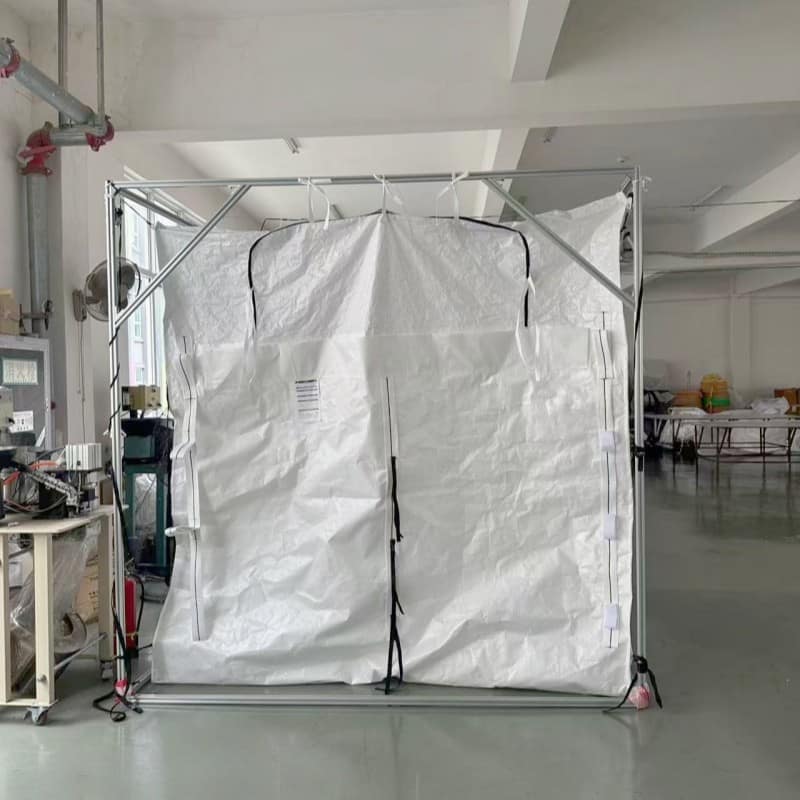
Common Questions About Food Safety and Container Liners
Are “food-grade” and “FDA approved” the same for container liners?
No. “Food-grade” is a general term referring to a material’s suitability for food contact, whereas “FDA approved” implies compliance with specific sections of Title 21 CFR. A liner can be food-grade in one market but lack the specific documentation for FDA clearance. The terms should not be used interchangeably without examining the actual test reports that define the scope of compliance.
Does a PE liner that passes EU migration testing automatically comply with FDA?
Not automatically. While the migration limits and test methodologies overlap substantially, the lists of approved substances differ. EU 10/2011 requires all substances to be on the positive Union List, whereas FDA 21 CFR has a different regulatory structure that includes some substances not approved in the EU. A liner formulated specifically for the US market with an FDA-cleared additive not on the EU list would comply with FDA but fail EU requirements, and vice versa. A buyer should always ask whether the specific liner formulation was tested against the target market’s regulations.
Can an anti-static container liner also be food-safe?
Yes, provided the anti-static additive used is listed on the applicable positive list and the anti-static treatment does not increase overall migration above the regulatory limit. Some anti-static agents are specifically approved for food contact under EU 10/2011 and FDA 21 CFR. The buyer must verify that the manufacturer’s test report includes the anti-static variant, not just the generic base material.
How often should a manufacturer re-test its food contact compliance?
There is no fixed regulatory interval, but responsible manufacturers re-test when a significant change occurs, such as switching resin suppliers, introducing a new additive package, or modifying the film extrusion parameters. Additionally, many third-party certifications for food contact materials require annual surveillance testing. As a buyer, I suggest requesting a test report that is less than 12 months old, dated from the most recent production period. If a submitted report is older than 18 months, ask for a current batch-specific test or a justification for why the formulation has remained unchanged.
What is the difference between overall migration and specific migration, and which one matters?
Overall migration measures the total mass of non-volatile substances that transfer from the liner into a food simulant under specified test conditions. It is a general indicator of chemical inertness. Specific migration measures the transfer of individual named substances (such as a particular antioxidant or stabilizer) against their own specific legal limit. For a typical PE or PP container liner, an overall migration test is the first screening tool. However, if the liner uses restricted substances, specific migration data is essential. Both matter, but specific migration is the more targeted and legally sensitive parameter because exceeding an SML for a single substance renders the entire liner non-compliant, even if overall migration is minimal. If your program involves multi-layer composite liners where each layer introduces different additive chemistries, it is worth confirming the specific migration profile for the composite structure, not just the food-contact layer, before finalizing your supplier selection. Share your requirement details with us at [email protected] and we can specify which test regimen matches your destination market.
 English
  German
  Spanish