
Exporting halal and kosher food products in bulk containers presents a unique compliance challenge: the container liner itself must not compromise religious dietary standards through material composition or contamination. Halal and kosher container liner requirements start with verifying material purity and manufacturing documentation, because certification bodies need traceability from raw resin to final liner. This guide examines the critical liner specifications, certifications, and supplier verification steps that food exporters must address to avoid cargo rejection at destination. Our experience at Giant Flexpack has shown that many shippers overlook the need for a dedicated declaration of compliance from the liner manufacturer, a gap we help close through rigorous quality control and transparent documentation.
What Are the Core Material Requirements for Halal and Kosher Container Liners?
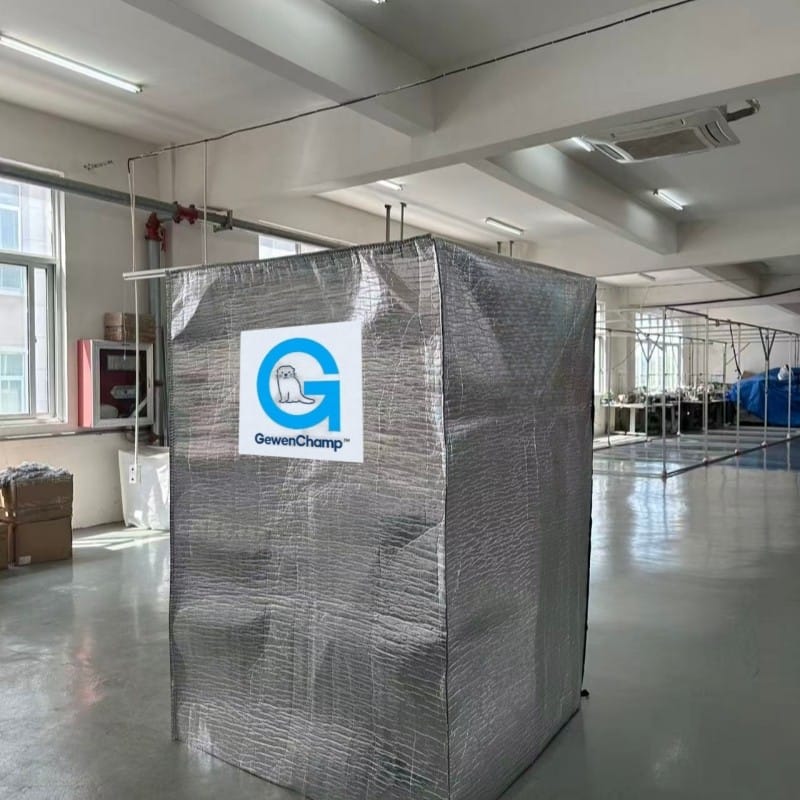
When defining halal and kosher container liner requirements, the first consideration is the innate purity of the liner material. For halal compliance, no pork-derived or alcohol-based additives can be present; for kosher, the liner must not contain animal products from non-kosher species and must avoid any mixing of dairy and meat origins (though this is less direct for packaging). The safest and most widely accepted material is virgin low-density polyethylene (LDPE) or linear low-density polyethylene (LLDPE), as these are simple hydrocarbon polymers with no animal derivatives. Polypropylene (PP) woven fabric is also acceptable if produced from virgin resin and any coatings or laminations are similarly food-grade. Thermal container liners, which often include aluminum foil and foam layers, require an inner food-contact layer of virgin PE film that acts as a reliable barrier against migration.
The table below compares common liner materials and their typical suitability for halal and kosher food contact:
| Material Type | Typical Liner Product | Halal/Kosher Suitability | Key Consideration |
|---|---|---|---|
| Virgin LDPE/LLDPE film | DBL-F01 PE Film Container Liner | Generally accepted | Must be virgin, free from animal-derived slip agents; FDA 21 CFR 177.1520 compliance is a strong baseline |
| Woven PP fabric (uncoated or coated) | DBL-W01 Dry Bulk Container Liner | Acceptable if coatings compliant | Verify any coating or lamination is also food-grade and free from haram/non-kosher additives |
| Aluminum foil/EPE foam composite | TL-02 Thermal Container Liner | Acceptable with food-grade inner barrier | Inner layer must be virgin PE; ensure adhesive layers do not migrate through the film |
| MPET/bubble composite | TL-03 Thermal Container Liner | Acceptable with food-grade inner barrier | Confirm that no non-kosher adhesives or slip agents are used |
Beyond composition, overall migration limits matter. Under EU Regulation 10/2011 for plastic food contact materials, the overall migration limit is 10 mg per square decimeter. This low migration ensures that no substances – including any non-compliant additives – leach into the food. Our PE film liners, for example, meet FDA 21 CFR 177.1520 and EU 10/2011 requirements, meaning they have been tested and are suitable as a base for halal/kosher food contact. A manufacturer that can furnish a declaration of compliance with these regulations significantly streamlines the certification process.
What Certifications Do Halal and Kosher Container Liners Need?
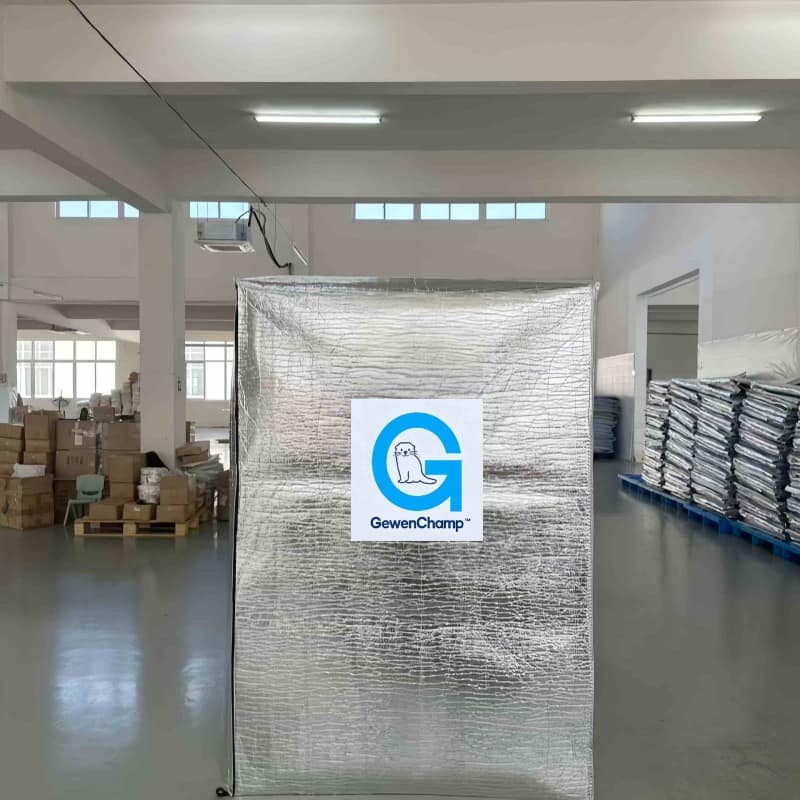
A container liner cannot be “halal-certified” or “kosher-certified” in the same manner as a finished food product. Instead, the liner functions as a food-contact material, and its acceptance hinges on documentation that proves material purity and manufacturing hygiene. The exporter submits this documentation to a halal or kosher certification body – such as JAKIM (Malaysia), IFANCA (USA), or MUI (Indonesia) for halal, or the Orthodox Union (OU), OK Kosher, or Star-K for kosher – who then evaluates it as part of the overall certification of the shipped food.
Core documents a liner supplier should provide include:
- A Certificate of Analysis (COA) for the specific batch of raw resin, confirming it is of petroleum or virgin synthetic origin and free from animal-derived components.
- A letter of guarantee stating that no haram or non-kosher substances were used in manufacturing and that the production line was dedicated or cleaned between runs.
- Evidence of Good Manufacturing Practices (GMP), such as ISO 22000 or FSSC 22000 certification, which demonstrates that the manufacturing facility controls food safety hazards. While ISO 9001 is not a food safety standard, it indicates a quality management system that underlies consistent production; many halal/kosher certifiers accept it as supporting evidence, especially when combined with product-specific test reports.
- Migration test reports per FDA or EU standards, confirming that no substances transfer to the food above permissible limits.
Giant Flexpack container liners are accompanied by FDA compliance statements, LFGB test reports (for EU), and REACH/RoHS declarations. We can also issue a tailored letter of guarantee addressing the specific points raised by your chosen certifying body.
If your halal or kosher certification agency requires specific documentation beyond standard food-grade declarations, it is worth confirming the exact letters and test reports needed before finalizing your purchase. Reach out to our team at [email protected] and we can help align our documentation with your certifier’s checklist.
How to Evaluate a Container Liner Supplier for Halal/Kosher Compliance
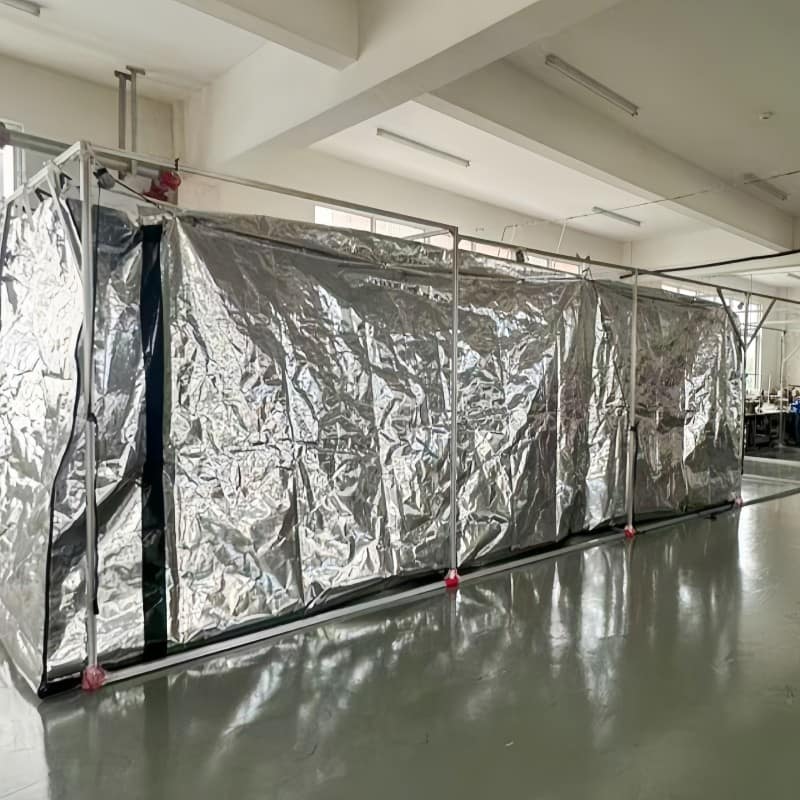
Traceability is the first criterion. A supplier with robust lot-level control can provide a material flow chart that tracks resin from incoming batch through extrusion, fabrication, and packaging, allowing any batch to be isolated and reviewed if a compliance question arises. We maintain full lot traceability and can share production records on request.
Production environment audits are equally important. A food-grade liner manufacturer should either run halal/kosher projects on dedicated equipment or perform a documented cleaning and sanitation process between non-food and food production runs. In our facility, we schedule food-grade liner production in clean, controlled conditions with pre-run cleaning logs, and we use separate, sealed packaging to prevent contamination during storage and shipping.
A pre-audit questionnaire helps surface risks early. Key questions to ask include:
- “Can you provide a certificate of conformity for the resin batch, including origin and composition?”
- “Does your facility hold an active third-party food safety certification such as ISO 22000 or BRC?”
- “Have your liners been accepted in previous halal or kosher certified shipments, and can you share a redacted reference letter?”
A supplier that hesitates to provide batch-level documentation or cannot name its resin source is a red flag. Reliable partners have this information ready and work with you to complete the certification dossier.
Practical Steps for Procuring and Installing Compliant Liners
Once you have selected a liner and verified its documentation, include clear specifications in your purchase order: liner material, thickness, required certifications, and any additional test reports. We recommend ordering a small pre-production sample and having it tested by your own certification body for migration, odor, and taste if applicable – this step confirms the liner’s suitability in your specific cargo context.
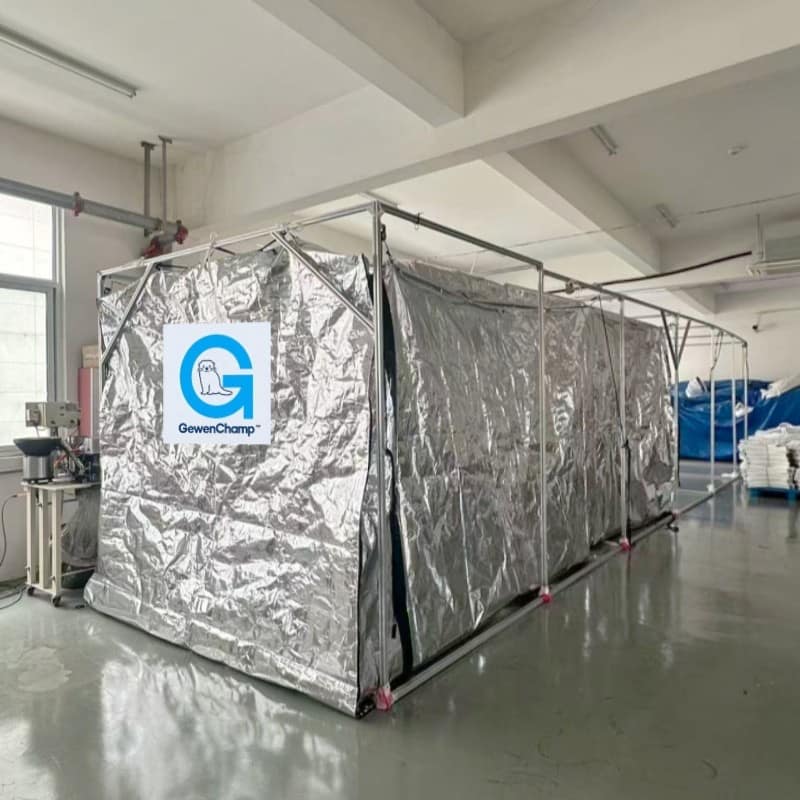
Installation is equally critical. The container interior must be thoroughly cleaned and inspected to remove residues from previous non-halal/kosher cargo. Staff should wear clean gloves and avoid contact between the liner’s inner surface and any non-compliant surfaces. After installation, verify that loading spouts and discharge ports are properly sealed and that no debris enters. We provide installation guidelines and training videos to help your team follow best practices.
Finally, retain all documentation – the liner’s certificate, cleaning log, and installation record – for the shipment file. In the event of a destination inspection, these records demonstrate due diligence and help clear cargo without delay. Our team can prepare a complete documentation package for each order, including lot-specific compliance letters and test certifications, so your shipment carries the necessary evidence of halal/kosher integrity.
Coordinating halal and kosher documentation for container liners can slow down an export timeline if the liner supplier is not prepared. Giant Flexpack has extensive experience supporting food exporters with full compliance packages, from material certifications to lot-specific guarantees. Send your product specifications and the name of your certifying body to [email protected] or call +86 523 87683880. We will prepare a tailored compliance dossier, including a sample liner, so you can present it to your certifier with confidence.
Common Questions About Halal and Kosher Container Liner Compliance
Can a container liner itself be halal-certified?
Halal certification technically applies to food, but packaging materials can receive a letter of acceptance from certifying bodies. As a liner manufacturer, we provide a declaration confirming that the liner contains no haram substances, is made from virgin synthetic resin, and was produced under hygienic conditions. The certification body reviews this along with migration tests and may issue a certificate for the final shipment. So while the liner is not “halal-certified” as a standalone product, it can be deemed compliant when its documentation meets the standard of the applicable halal scheme.
What if my cargo is both halal and kosher—can I use the same liner?
Often yes, because the material requirements of both standards overlap: both require a liner free from animal derivatives and manufactured with good hygiene. Our virgin PE liners typically meet both halal and kosher baseline criteria. However, some kosher certifiers may have additional concerns, such as the use of release agents on molds. We can provide complementary documentation to address both sets of requirements. It is best to share the specific checklists of both certifying bodies with us so we can confirm alignment.
Do I need a different liner for organic certification in addition to halal/kosher?
Organic certification under regulations such as USDA NOP or EU 834/2007 requires that packaging not contaminate the organic product with prohibited substances. Because the liner must already be free from animal byproducts and synthetic additives for halal/kosher, the overlap is substantial. A liner that meets FDA or EU food-contact standards with appropriate migration reports usually satisfies organic requirements as well. We recommend integrating all certification needs into one comprehensive specification document; our team can assist in mapping the requirements.
How often should I re-audit my liner supplier?
At minimum annually, or whenever there is a formulation or raw material change. For high-risk food categories, a semi-annual review is prudent. At Giant Flexpack, we undergo annual ISO 9001 surveillance audits, and our product certifications are renewed periodically. We encourage our clients to request updated certificates prior to every major production run. If your audit schedule requires updated documentation, contact us and we can provide the current certificate package within 48 hours. Share your audit timeline with [email protected] and we will ensure you have the current compliance records in hand.
 English
  German
  Spanish