
Solutions / Contamination Prevention
Contamination Prevention Packaging for Bulk Cargo
Review liner construction, openings and handling for cargo exposed to moisture, dust, odours or external contaminants.
On this page: Product options · Selection guide · Questions
Match the Barrier to the Cargo and Handling Process
Bulk shipments may be exposed to moisture, dust, odours and other external contaminants during transport and handling. Giant Flexpack’s contamination-prevention solution brings together woven and PE film liner formats for discussion around the actual goods, equipment and operating conditions.
The featured range includes DBL-W06, DBL-W05, DBL-F01 and DBL-F02. Their construction, seams and openings differ. Review the individual specifications and confirm material suitability, filling, closure and discharge requirements. Any food-contact or other application-specific documentation should relate to the selected construction and use.
Compare Woven and PE Film Container Liners
Review the model specifications below, including the listed 30ft film format. Use the woven dry bulk liner category and PE film liner category for construction and handling comparisons.
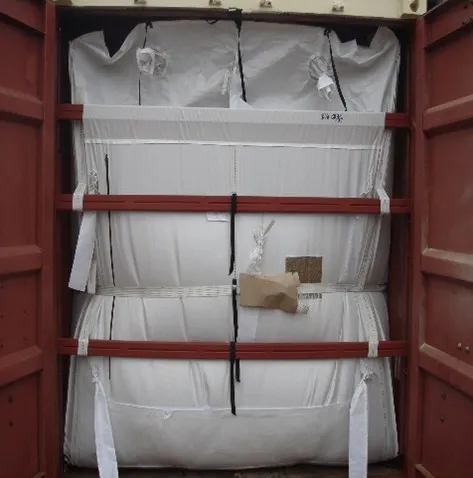
For powder handling; review seam construction, loading and discharge.
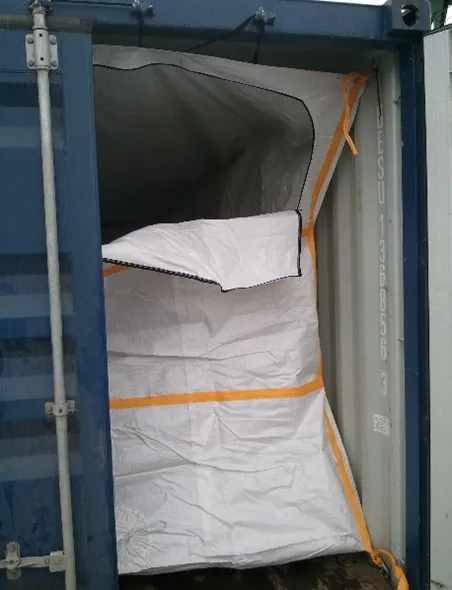
Barless format for agricultural bulk cargo; review its uncoated design.
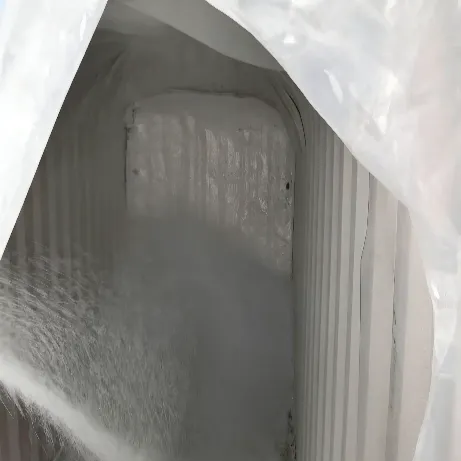
Film liner for bulk cargo; confirm filling and discharge openings.
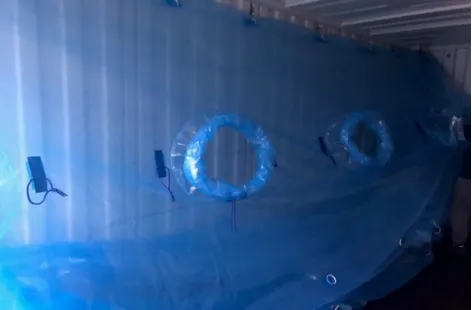
30ft format with four top filling spouts; check loading-equipment fit.
Specify Contamination-Prevention Requirements
Describe the Cargo
Identify the goods and their physical form, and state the contamination concerns that matter for the shipment. Include relevant material-compatibility, food-contact or other documentation requirements for review with the proposed construction.
Match Filling and Discharge
Describe the equipment connections, opening positions and loading and unloading method. Check seam, closure and spout arrangements for the selected design rather than selecting a liner by product category alone.
Review the Operating Conditions
Explain storage, transport and handling stages, including exposure while the liner is open. Discuss installation and sealing checks alongside the liner selection. Confirm the specification for the actual cargo and process before ordering.
Contamination Prevention Questions
Does every liner suit food or pharmaceutical cargo?
Suitability depends on the material grade, construction, cargo and contact conditions. State the application and request the relevant specification and supporting documentation. A general solution description does not establish approval for every use.
How do woven and PE film liners differ?
They use different construction formats, with model-specific seam, coating and opening arrangements. Compare the product specifications against the goods and filling and discharge process, rather than assuming either category fits every bulk cargo.
Why do seams and openings matter?
The liner must connect with the handling equipment and be closed in the intended way. Review seam treatment, opening size and position, and sealing arrangements for the chosen design as part of the full packaging specification.
What is needed to review a non-standard loading system?
Share the cargo, container dimensions, equipment layout, connection sizes and loading and discharge sequence. Include drawings when available and identify any material or documentation requirements for the intended application.
Request a Bulk-Cargo Packaging Review
Choose packaging advice, a product quotation or a custom design request. Add the specifications you know; cargo, name and email are the only required fields.
Related Packaging Considerations
Explore a related requirement, or return to all packaging solutions.