Solutions / Temperature Stabilization
Thermal Packaging for Temperature Stabilization
Compare insulated pallet covers and thermal packaging materials against cargo dimensions, handling stages and shipping conditions. Discuss the construction with the manufacturer and assess passive insulation as part of the complete shipment.
On this page: Product options · Selection guide · Questions
Choose Thermal Packaging Around the Shipment
Temperature-sensitive goods can encounter different conditions during storage, loading, transport and delivery. Giant Flexpack’s thermal packaging range includes pallet covers and container liners using woven, foam, bubble, film and foil-based constructions.
This page presents the TP-01, TP-02, TP-03 and TP-04 pallet covers. Compare their individual specifications and installation requirements for your load. A material name alone does not establish a temperature range or protection duration for a shipment; those requirements need to be assessed with the transport arrangement.
Compare Thermal Pallet Covers
The four pallet-cover models below provide the starting point for specification review. Use the insulated pallet-cover category for material comparisons; for container-level packaging, review thermal container liners.
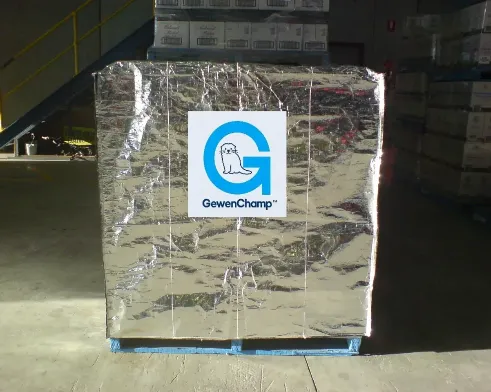
For palletized loads; confirm packed dimensions and fastening points.
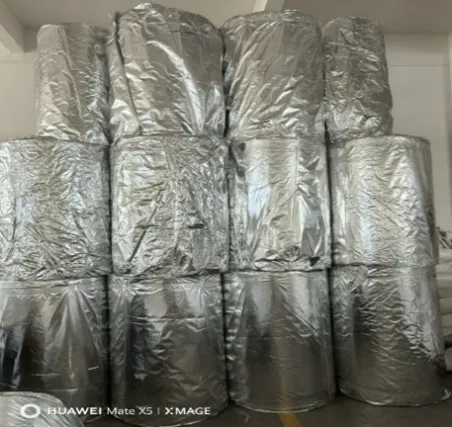
Allow for the foam-core profile and the cover closure around the load.
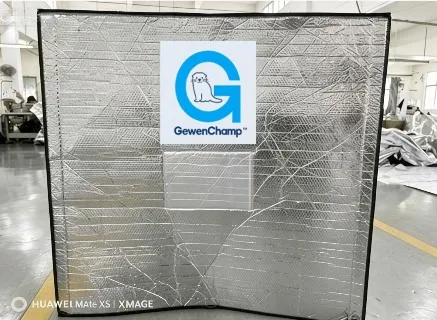
Review bubble-core coverage and the handling of the packed pallet.
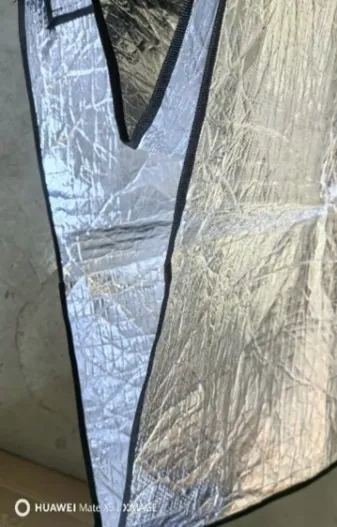
For palletized loads; confirm cover dimensions and fixing details.
Define Your Temperature-Stabilization Requirements
Describe the Cargo and Route
State the cargo, required temperature conditions, route and expected duration. Include loading, waiting and transfer stages. These details help establish which packaging constructions should be reviewed for the intended shipment.
Confirm Pallet Fit
Provide pallet dimensions, load height and how the goods are stacked. Check cover clearance, closure and access during loading. If the requirement concerns an entire container, compare the container-liner range as a separate format.
Review the Construction
Compare the selected woven, foam, bubble or foil-based cover against its specification. Discuss material thickness, handling and installation, then confirm how the packaging will be used alongside any required temperature-control measures.
Temperature Stabilization Questions
What is the difference between the four pallet-cover models?
The listed models use different constructions, including woven composite, EPE foam, bubble composite and foil-based formats. Review the individual specification and the category material comparison, then discuss fit, handling and the required shipping conditions.
Does a pallet cover provide active cooling?
These covers are passive thermal packaging. They do not actively cool cargo. Confirm any refrigeration or other temperature-control requirements as part of the complete shipment arrangement.
Can the cover be selected by transit time alone?
Duration is one input. Cargo condition, exposure, loading stages, construction and installation also matter. Provide the full route and handling requirements so the proposed packaging can be assessed for the intended use.
When should I review a container liner instead?
Review a container liner when the packaging requirement is at container level. Review a pallet cover when protection is needed around an individual pallet. Compare the loading arrangement and handling stages before choosing the format.
Discuss Thermal Pallet-Cover Requirements
Choose packaging advice, a product quotation or a custom design request. Add the specifications you know; cargo, name and email are the only required fields.
Related Packaging Considerations
Explore a related requirement, or return to all packaging solutions.