Solutions / Cold Chain
Passive Cold Chain Packaging for Container Shipments
Review thermal container liners as passive cold chain packaging for temperature-sensitive cargo. Compare material construction, container fit, storage and loading conditions; any required temperature range needs assessment for the complete shipping arrangement.
On this page: Product options · Selection guide · Questions
Review the Whole Cold-Chain Journey
Temperature-sensitive goods may pass through storage, loading areas, terminals and different transport modes before delivery. Applications include food, agricultural produce, pharmaceuticals and specialty chemicals, with packaging selected around the conditions faced by the goods.
The featured TL-01, TL-02, TL-03 and TL-04 models are thermal container-liner options. Compare construction and fit, then review installation and handling with the shipping process. Passive insulation does not provide active cooling; confirm any refrigeration requirements separately.
Compare Thermal Container Liners
Open the four model specifications below and use the thermal container-liner category for material comparisons. For individual loads or transfers, also review insulated pallet covers.
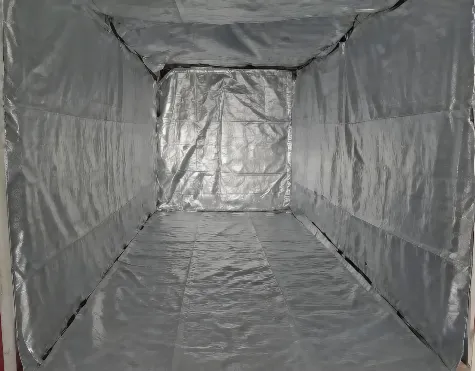
Check foam thickness and the clearance needed for cargo loading.
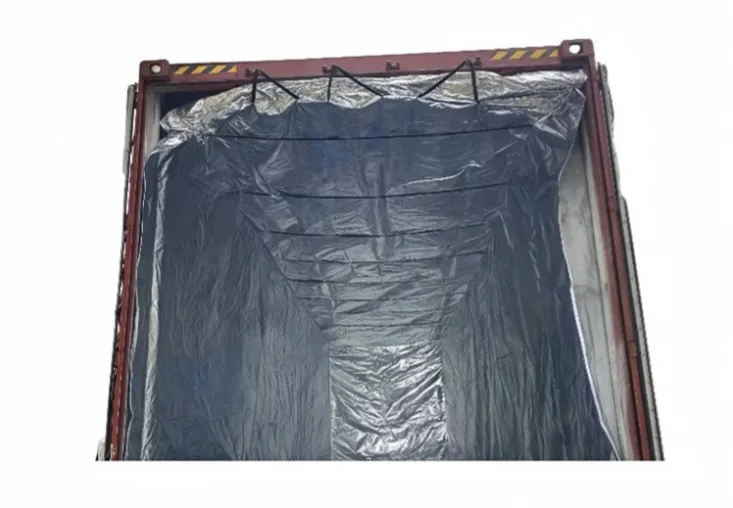
Container-level coverage; review fixing and handling during installation.
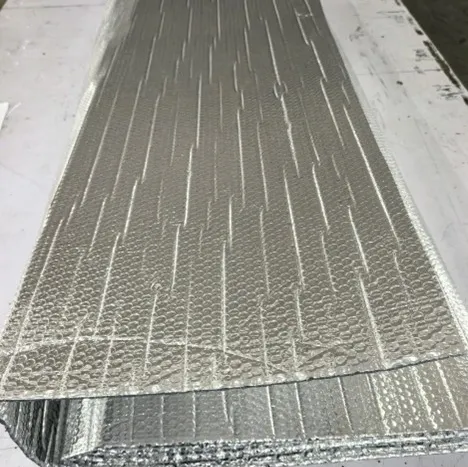
Check the bubble-core profile and available space inside the container.
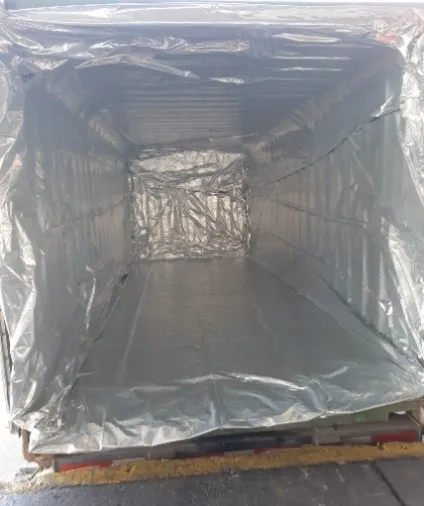
Flexible film format; review dimensions and handling during installation.
Plan Container-Level Thermal Protection
Map Exposure and Transfers
Describe the origin, destination, route and expected duration. Identify storage, loading and transfer stages where conditions may change. Include the cargo’s required temperature conditions when discussing the packaging arrangement.
Check Installation and Loading
Provide usable container dimensions, door clearances and the loading sequence. Review fixing points, liner closure and access during loading and unloading. The liner needs to fit both the container and the handling method.
Confirm the Complete Arrangement
Review the proposed construction alongside the transport and temperature-control measures for the goods. Agree how installation, monitoring requirements and handling will be addressed before the shipment specification is confirmed.
Cold Chain Questions
Can a thermal liner replace a refrigerated container?
A thermal liner provides passive insulation and does not actively cool cargo. Whether a shipment needs refrigeration or a combination of measures depends on the goods and the route. Confirm the complete temperature-control arrangement for the intended shipment.
Which container-liner materials are available?
The listed range includes woven composite, EPE foam, double-bubble composite and MPET/PE film constructions. Compare the specifications and category material table, then discuss container fit, installation and handling requirements.
How do loading and unloading affect the choice?
The packaging must work with the openings, clearances, fixing points and loading sequence. Describe how goods enter and leave the container, and where the liner needs to be opened or accessed during handling.
What should I send for a cold-chain packaging discussion?
Provide the cargo, required temperature conditions, container dimensions, route, duration and transfer stages. Include loading details and any planned temperature-control measures so the packaging can be reviewed in context.
Discuss Your Cold-Chain Packaging Plan
Choose packaging advice, a product quotation or a custom design request. Add the specifications you know; cargo, name and email are the only required fields.
Related Packaging Considerations
Explore a related requirement, or return to all packaging solutions.