
Home / Blog
Container Liner & Thermal Packaging Blog
Browse guidance on liner materials, cargo moisture, temperature-sensitive shipments and bulk-handling requirements. Use the articles to prepare questions for your own packaging specification.
Start with Your Packaging Question
Compare Materials
Review thermal liner constructions before comparing dimensions and handling requirements.
Prepare Your Specification
Identify the dimensions, openings and cargo-contact requirements to discuss with a supplier.
Review Loading & Installation
Consider how the liner will be fitted, filled and discharged in the planned container.
Latest Packaging Articles
Choose an article below, or search by cargo, material or handling topic.
-
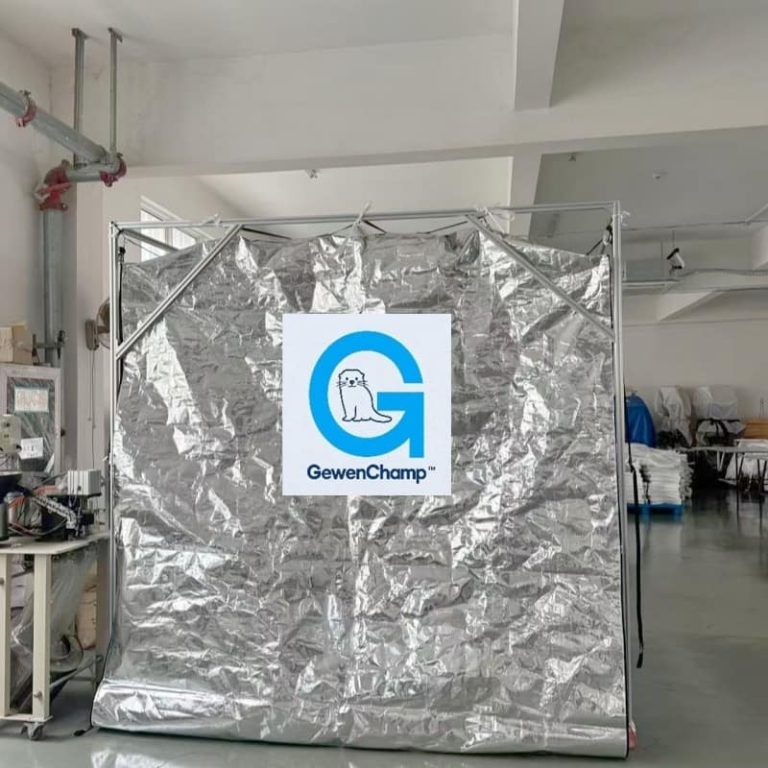
Temperature Control for Cocoa Beans: Preventing Bloom and Spoilage
Read article →: Temperature Control for Cocoa Beans: Preventing Bloom and Spoilage -
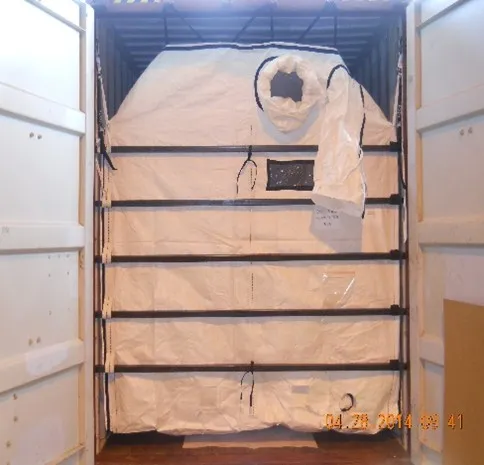
Moisture Protection Strategies for Cocoa Bean Container Shipping
Read article →: Moisture Protection Strategies for Cocoa Bean Container Shipping -
How to Ship Cocoa Beans in Bulk Without Moisture Damage
Read article →: How to Ship Cocoa Beans in Bulk Without Moisture Damage -
Cocoa Bean Bulk Shipping: Liner Selection to Prevent Moisture
Read article →: Cocoa Bean Bulk Shipping: Liner Selection to Prevent Moisture -
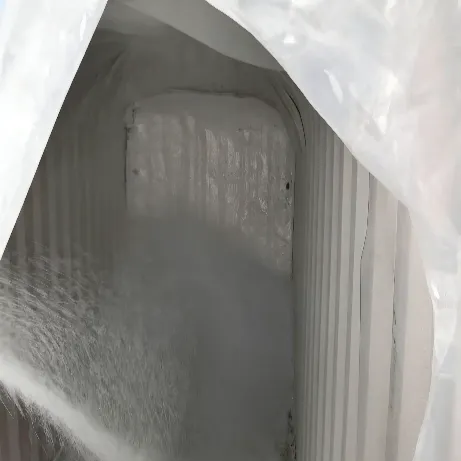
How Seam Strength Determines PE Container Liner Reliability
Read article →: How Seam Strength Determines PE Container Liner Reliability -
Clear vs Opaque PE Container Liners: Which to Choose?
Read article →: Clear vs Opaque PE Container Liners: Which to Choose? -
Anti-Static Container Liners: When and Why You Need Them
Read article →: Anti-Static Container Liners: When and Why You Need Them -
PE Film vs Woven PP Container Liners: Which Is Right for You?
Read article →: PE Film vs Woven PP Container Liners: Which Is Right for You? -
Sugar Bulk Shipping: Container Liner Selection and Best Practices
Read article →: Sugar Bulk Shipping: Container Liner Selection and Best Practices
Turn Your Reading into a Packaging Specification
Compare the relevant products, then share your cargo, loading method, dimensions and shipping conditions for a packaging discussion.