
Packaging Insights
Preventing Wine Oxidation During Bulk Container Transport
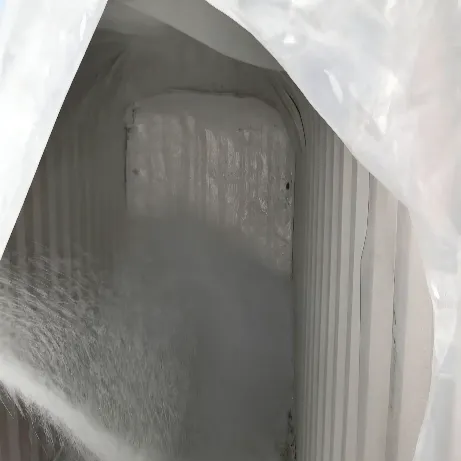
Oxidation is the single most damaging quality risk when wine moves in bulk. Unlike bottled wine, which has a small headspace and a glass barrier, bulk wine in a flexitank or ISO tank spends weeks inside a shipping container exposed to temperature swings, oxygen permeation through plastic layers, and mechanical handling that can introduce air. The result is often loss of varietal character, browning, aldehyde formation, and a measurable drop in commercial value.
This guide explains where oxygen enters during bulk container transport, how temperature accelerates the problem, and which practical controls—packaging, loading discipline, chemical protection, and thermal management—help keep dissolved oxygen low from cellar to receiving tank.
Why Oxidation Is Harder to Control in Bulk Transit
Wine oxidation is a chemical reaction between oxygen and wine components, primarily phenolics and ethanol, catalyzed by metals and accelerated by heat. In bulk transport, three factors make the risk more serious than many exporters expect:
- Long transit durations. Sea freight from Australia, South America, or Europe to Asia or North America commonly takes 20 to 45 days. Oxidation damage is cumulative; a small daily oxygen ingress rate becomes significant over five or six weeks.
- Temperature fluctuations. Container interiors on hot routes regularly exceed 40°C, and the diurnal cycle can swing 10–20°C inside. Reaction rates roughly double for every 10°C increase, so a hot voyage can multiply oxidation even when oxygen ingress itself is unchanged.
- Large surface area in flexitanks. Although bulk wine has a lower surface-to-volume ratio than individual bottles, the flexible film wall is still the primary barrier between wine and ambient air. Film quality, valve seals, and loading technique all determine how much oxygen actually reaches the liquid.
A practical target for most bulk wine is to load with dissolved oxygen (DO) below 1 mg/L, maintain it below 1.5 mg/L during transit, and minimize total oxygen pickup to less than 1–2 mg/L per voyage. Premium white and rosé wines may require stricter control.
Where Oxygen Enters During Container Transport
Oxygen does not enter through one single point. It comes from loading errors, packaging permeability, residual headspace, and poor valve maintenance. Addressing all four is what separates stable cargo from oxidized wine at discharge.
Loading and Headspace Control
The most common cause of immediate oxygen pickup is turbulent loading. Wine splashing into an empty flexitank through a partially open valve, or pumping through a line that contains air, can raise DO by 1–3 mg/L before the container even leaves the winery.
Best practices:
- Purge loading lines with food-grade nitrogen or argon before transfer.
- Fill the flexitank slowly at the start to avoid splashing, then increase flow only after the bottom is covered.
- Use top or bottom filling valves that allow air to vent without trapping pockets.
- Fill to the supplier’s rated capacity, leaving minimal headspace. In a properly filled flexitank, headspace is typically less than 1% of total volume.
- Check DO immediately after filling and again after the tank is sealed. If DO is above target, strip with an inert gas sparge before dispatch.
Oxygen Barrier Materials in Bulk Wine Packaging
Not all flexitanks provide the same oxygen protection. The film structure is the most important variable, and buyers should ask for oxygen transmission rate (OTR) data rather than relying on “food grade” claims alone.
| Barrier Material | Oxygen Protection | Practical Use for Bulk Wine |
|---|---|---|
| Monolayer PE (LDPE/LLDPE) | Low | Not suitable for long-haul bulk wine unless journey is very short and wine is robust |
| PE / EVOH / PE coextruded film | High when dry | Common in wine-grade flexitanks; performance depends on EVOH layer thickness and humidity |
| Metallized PET laminate | Very high | Preferred for premium whites, rosés, and oxidation-sensitive varietals |
| Aluminum foil laminate | Near absolute | Highest protection but stiffer, heavier, and less flexible; used for premium or long routes |
A high-quality wine flexitank should include an oxygen barrier layer—typically EVOH or metallized PET—not just thick polyethylene. Thickness alone does not stop oxygen; even very thick PE film is highly permeable to O₂ compared with a thin metallized or EVOH layer.
Valve Seals, Fittings, and Maintenance
Flexitank valves and discharge ports are common sources of slow oxygen ingress. Damaged gaskets, over-tightened or under-tightened caps, and contaminated threads can allow micro-leaks that go unnoticed until arrival.
Before every shipment:
- Inspect valves, gaskets, and seals for damage or wear.
- Replace single-use gaskets after every voyage.
- Pressurize the tank slightly with nitrogen and check for pressure drop to confirm seal integrity.
- Ensure all fittings are food-grade and compatible with wine pH and alcohol content.
Temperature Control: The Oxidation Accelerator
Even wine with excellent packaging and low initial DO can be damaged if container temperatures run high for weeks. Heat is not just a comfort issue; it directly determines how fast oxidation reactions proceed.
A common rule of thumb is that a 10°C rise approximately doubles the oxidation rate. This means wine held at 35°C oxidizes roughly four times faster than the same wine held at 15°C under otherwise identical conditions. On hot trade lanes, uninsulated containers can reach interior temperatures of 50–60°C during daytime exposure.
Passive thermal protection can help reduce this kinetic risk. Insulating the container interior with a high-performance thermal container liner reflects radiant heat away from the cargo space and slows heat transfer through the steel walls. For bulk wine loaded in flexitanks, this reduces peak temperature and narrows the daily swing.
One example is the TL-02 Thermal Container Liner, which uses a four-layer structure—outer PET aluminum foil, woven PE, 3 mm EPE foam core, and inner PET aluminum foil—to achieve thermal conductivity at or below 0.038 W/(m·K). Its moisture vapor transmission rate of ≤0.033 g/(m²·h·kPa) also helps prevent condensation inside the container, which protects labels, pallets, and secondary packaging in mixed loads. In wine service, such liners provide passive temperature stabilization without requiring powered reefer equipment.
However, thermal liners do not remove oxygen. They slow the kinetic component of oxidation and help maintain more stable conditions. They should be combined with a high-barrier flexitank and disciplined loading, not used as a substitute.
Chemical Protection: SO₂ and Inert Gas Management
Sulfur dioxide remains the most practical chemical antioxidant for wine in transit. Free SO₂ binds with oxidation intermediates and helps preserve color and aroma. Before loading bulk wine:
- Test free and total SO₂. Top up to the winery’s specification for the expected transit duration and temperature profile.
- Avoid excessive SO₂ addition immediately before shipment, because binding and distribution take time. Adjust at least 24–48 hours before loading when possible.
- Confirm the receiving tank protocol includes post-transit SO₂ adjustment, because free SO₂ typically decreases during long voyages.
Inert gas sparging with nitrogen or argon is the most effective way to reduce dissolved oxygen before loading. Unlike CO₂, nitrogen and argon do not alter wine pH or carbonation. In ISO tank shipments, headspace blanketing with nitrogen after filling provides additional protection. In flexitanks, minimizing headspace is usually more effective than blanketing, because the flexible wall collapses against the liquid as wine is withdrawn.
Pre-Shipment and In-Transit Verification
Oxidation prevention should be verified, not assumed. A simple pre-shipment and arrival protocol catches problems early.
Before loading:
- Measure DO, free SO₂, pH, and temperature at cellar.
- Purge lines and tank with inert gas.
- Fill using a low-aeration method.
- Measure DO again after sealing.
- Record flexitank lot number, OTR specification, and valve inspection result.
During transit:
- Place temperature data loggers inside the container and outside the flexitank. Review data at arrival.
- For high-value or sensitive shipments, use a logger with real-time temperature alarms via IoT.
- Do not open the container or flexitank valves at intermediate ports unless absolutely necessary, as each opening can introduce air.
At discharge:
- Sample wine from the top and bottom of the receiving tank, not only from the hose.
- Measure DO, free SO₂, and sensory markers (acetaldehyde, browning, volatile acidity).
- Compare with pre-shipment baseline. A DO rise of more than 1.5–2 mg/L during a standard voyage should trigger a review of the flexitank, valve, and loading procedure.
Common Mistakes That Increase Oxidation Risk
Several repeated errors account for a large share of oxidation-related claims in bulk wine transport:
- Using a non-wine flexitank or generic dry bulk liner for liquid wine. Only certified wine-grade flexitanks with a documented oxygen barrier layer should be used.
- Loading warm wine. Wine loaded at 25–30°C enters transit already at a faster oxidation baseline. Cooling to 10–15°C before loading, where practical, substantially reduces kinetic risk.
- Relying only on SO₂ while ignoring packaging and temperature. Sulfur dioxide cannot compensate for a high-OTR film or a 40°C container interior on a long haul.
- Skipping line purging. A single air-filled loading hose can introduce more oxygen than the entire voyage’s film permeation.
- Damaged or reused gaskets. Micro-leaks around valves are slow, steady sources of oxygen that only become visible as quality loss at arrival.
- Overlooking temperature monitoring. Without a data logger, it is impossible to know whether heat exposure contributed to an oxidation problem or rule it out.
Building a Reliable Bulk Wine Packaging Program
Preventing wine oxidation during bulk container transport requires a systems approach, not a single fix. The strongest programs combine four elements:
- High-barrier packaging — a wine-grade flexitank with verified OTR, food-grade certification, and intact valves.
- Oxygen-minimized loading — inert gas purging, low-aeration filling, and immediate DO verification.
- Passive thermal protection — an insulated container liner to reduce peak heat and daily temperature swings on hot routes.
- Monitoring and adjustment — DO, free SO₂, and temperature tracking from cellar to receiving tank, with post-transit corrective action when needed.
For exporters and logistics providers moving wine across long-haul sea freight routes, investing in the right combination of barrier and thermal protection typically costs far less than the value lost when a single container of oxidized wine is rejected or downgraded.
Giant Flexpack supports bulk wine and beverage shippers with thermal insulation container liners, technical guidance on passive temperature control, and container liner systems designed for international food-grade logistics. For help matching a packaging configuration to your specific route, wine type, and transit duration, contact our technical team at [email protected] or +86 523 87683880.
FAQ
What dissolved oxygen level is acceptable for bulk wine transport?
Most wineries aim to load bulk wine with DO below 1 mg/L and keep total oxygen pickup during transit below 1–2 mg/L. Premium white and rosé wines may require stricter limits. The key is measuring DO before loading and again at discharge, then investigating any unexpected rise.
Does temperature really affect wine oxidation that much?
Yes. Oxidation reaction rates approximately double for every 10°C increase. A container interior that reaches 40–50°C on a hot route can cause wine to oxidize several times faster than the same wine kept at 15–20°C. Passive thermal liners help reduce this risk.
Can thermal container liners prevent wine oxidation?
Thermal liners do not remove oxygen, so they cannot prevent oxidation by themselves. However, by reducing peak temperatures and narrowing daily temperature swings inside the container, they slow the kinetic component of oxidation and improve overall stability when combined with a high-barrier flexitank.
What is the best oxygen barrier for bulk wine flexitanks?
For most long-haul bulk wine, a multilayer film containing EVOH or metallized PET provides strong oxygen protection. Aluminum foil laminates offer the highest barrier but are heavier and less flexible. Always request oxygen transmission rate data from the flexitank manufacturer rather than relying on wall thickness alone.
How do I check for oxygen ingress after transport?
At discharge, sample wine from the top and bottom of the receiving tank and measure dissolved oxygen, free SO₂, and sensory markers such as acetaldehyde. Compare these values with pre-shipment baselines. Temperature logger data from inside the container helps determine whether heat played a role in any quality change.
From insight to product selection
Related products
Explore these packaging options, then confirm suitability for your cargo, dimensions and shipping conditions.
Tell us about your shipment
Discuss your packaging requirements
Tell us what you ship and how you ship it. Add the container or pallet size, route and any moisture or temperature concerns so we can discuss an appropriate packaging option.