
Packaging Insights
Passive Cold Chain Solutions: When Thermal Liners Are Enough
Temperature-sensitive cargo does not always require a powered reefer container. A passive cold chain solution uses insulation, reflective surfaces, and the cargo’s own thermal mass to slow heat transfer and buffer external conditions for a defined period. For shipments with moderate temperature requirements and predictable transit windows, this approach often provides sufficient protection at a lower operating cost and with a smaller carbon footprint than active refrigeration.
The practical question is not whether passive thermal packaging works, but whether it matches the specific temperature band, duration, and risk profile of a given route. This article explains how passive cold chain packaging functions, the conditions under which it is enough, and when active cooling remains the safer choice.
What Is a Passive Cold Chain Solution?
A passive cold chain controls temperature without an external energy supply during transit. It relies on materials such as aluminum foil, metallized film, polyethylene foam, bubble structures, and woven fabrics to reduce the rate at which heat enters or leaves a container or pallet.
In contrast, an active cold chain uses powered equipment such as reefer containers, compressor-driven trucks, or electric cooling units to add or remove heat continuously. Passive systems do not alter the energy inside the package; they delay the effect of ambient conditions.
| Attribute | Passive cold chain | Active cold chain |
|---|---|---|
| Energy source | Insulation and reflective materials | Powered refrigeration or heating |
| Temperature control | Buffered drift within a tested range | Actively maintained set point |
| Operating cost | Lower | Higher |
| Carbon footprint | Lower, no fuel or grid load during transit | Higher, continuous energy demand |
| Best-fit profile | Moderate temperature band, defined duration | Tight temperature band, long or uncontrolled routes |
That distinction matters because many industrial and food shipments do not require absolute temperature stability. They require the cargo to remain within an acceptable range long enough to reach the destination without quality loss.
How Passive Cold Chain Packaging Works
Passive protection addresses the three main routes of heat transfer: radiation, conduction, and convection.
Reflective layers such as aluminum foil or metallized polyester film reduce radiant heat gain. Manufacturer-reported values for thermal container liners in the GewenChamp range place radiant heat reflection between approximately 92% and 98%, depending on the specific material structure. A woven thermal fabric liner, for example, reflects most solar and ambient radiation before it reaches the cargo space.
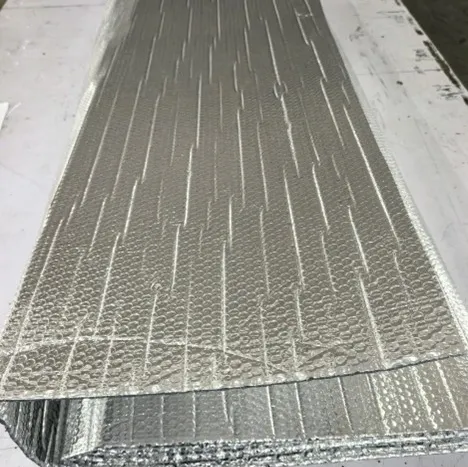
Low-conductivity cores slow conductive heat transfer. EPE foam, used in four-layer composite liners, can achieve a thermal conductivity of 0.038 W/(m·K) or lower. Air pockets in double-bubble structures add another barrier because static air is a poor conductor.
The result is a buffered interior environment. Thermal performance is commonly evaluated through test protocols such as ISTA 7D, which exposes packaging to dynamic temperature conditions and measures temperature response inside the load [1].

Thermal Container Liners
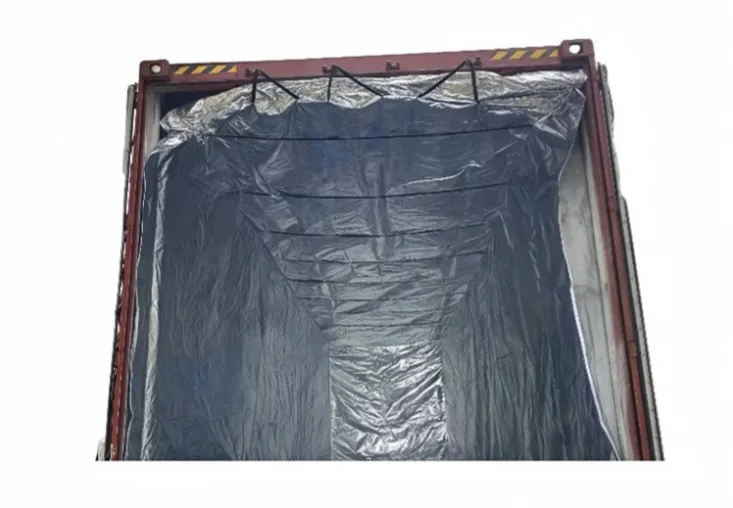
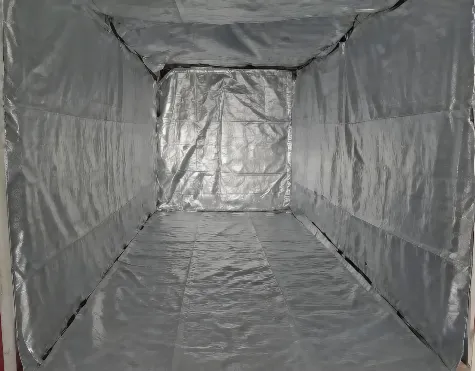
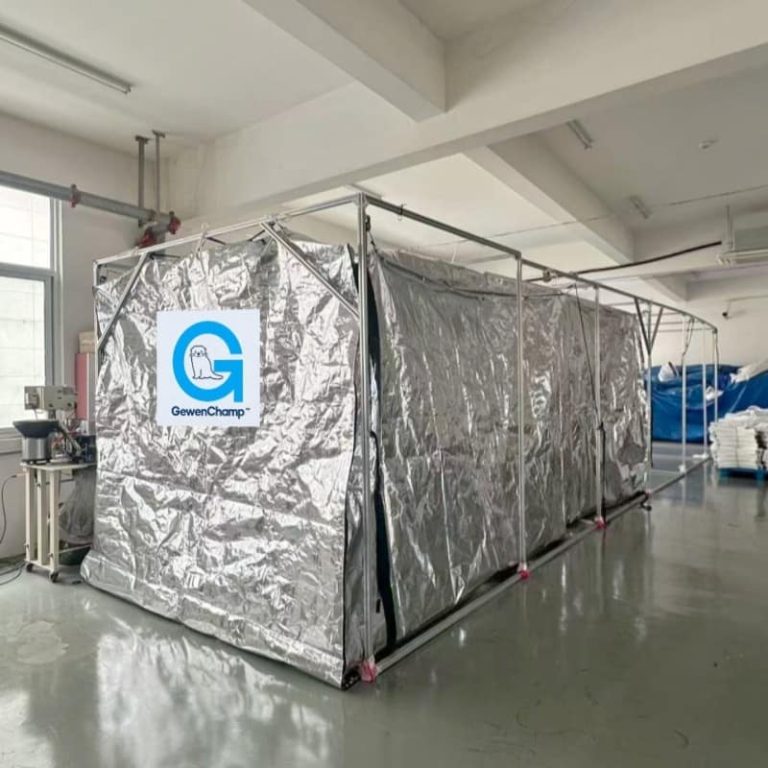
A thermal container liner covers the interior walls, floor, and often ceiling of a 20 ft or 40 ft ISO container. It converts the container into an insulated enclosure without refrigeration. Depending on the construction, a liner may maintain an internal temperature band for many hours or several days on long-haul sea freight routes.
Typical material configurations include woven polyethylene with aluminum foil lamination, EPE foam composites, double-bubble MPET structures, and lighter MPET/PE film alternatives. The choice depends on cargo tolerance, route climate, and the required duration of protection.
Thermal Pallet Covers
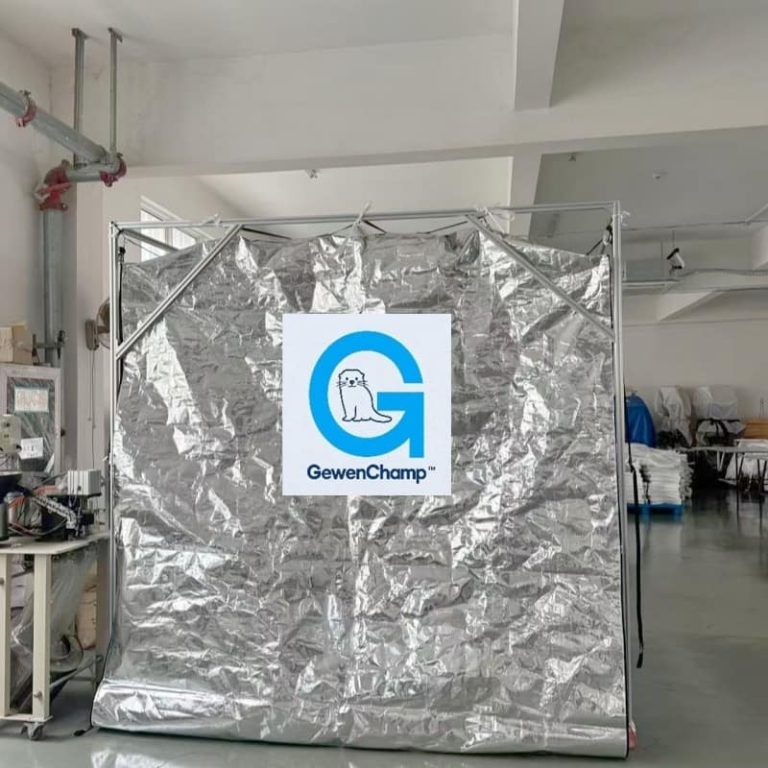
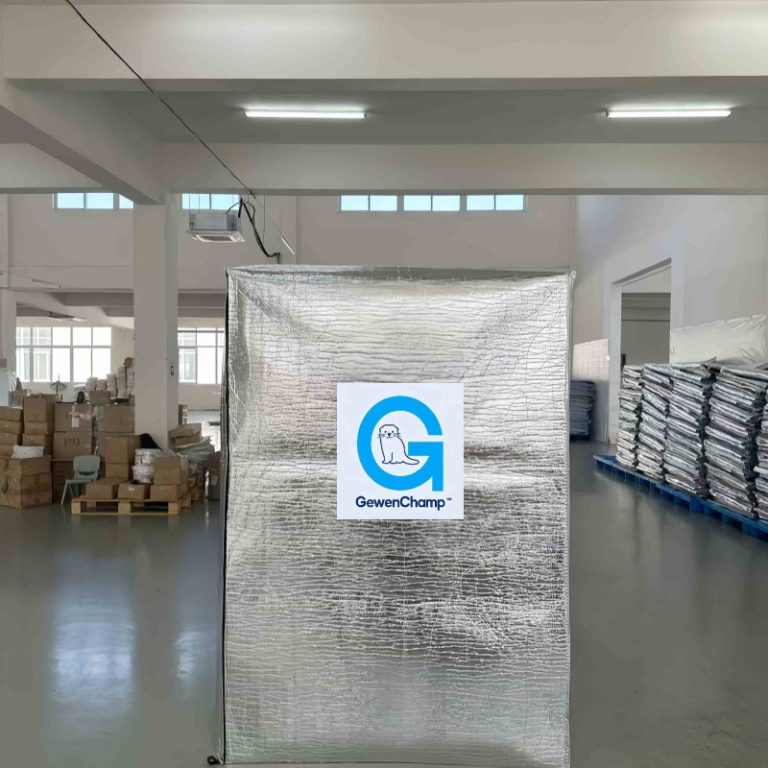
Thermal pallet covers perform a similar function at unit-load level. They wrap individual pallets to protect goods during airport tarmac transfers, warehouse staging, or less-than-container loads. Pallet covers are especially useful when the whole container does not need thermal treatment, or when cargo moves through multiple handling points where the container is repeatedly opened.

When Passive Cold Chain Is Enough
Passive packaging is generally sufficient when several conditions align.
First, the external temperature range is moderate relative to the cargo’s tolerance. A liner that keeps product within a defined band during a summer sea crossing may be an appropriate fit for confectionery, beverages, chemicals, or electronics, provided the route does not expose the container to prolonged extreme heat.
Second, the transit duration falls within the tested protection window. A passive liner does not maintain temperature indefinitely, but it does not need to. The requirement is to remain inside the acceptable band from loading through discharge.
Third, the cargo can tolerate a controlled temperature drift. Many non-sterile products, industrial materials, and food ingredients do not require the tight set point of a reefer. WHO guidance for temperature-sensitive products emphasizes that protection must keep the product within its labelled storage range during storage and distribution [2].
Fourth, the handling pattern is predictable. Sealed containers, limited door openings, and direct port-to-port movement support passive performance. Frequent door openings allow ambient air exchange and shorten the effective protection window.
When these conditions are present, passive thermal packaging can be a reliable and cost-efficient alternative to reefer transport.
When Active Refrigeration Remains the Safer Choice
Active cooling should be considered when the cargo requires a narrow temperature band, when the route includes extreme climates, or when the protection window exceeds the validated performance of the passive system.
Typical active cold chain scenarios include frozen goods below −18°C over long transit periods, certain biologics and vaccines requiring strict 2°C to 8°C control, and high-value pharmaceuticals where even brief excursions carry regulatory risk. Reefer containers may also be justified when the route involves multiple inland legs, long dwell times in hot ports, or repeated cargo access.
For food shipments in the United States, the Food Safety Modernization Act’s sanitary transportation rule requires shippers to establish conditions that prevent the food from becoming unsafe during transport [3]. Compliance does not mandate active refrigeration, but the chosen method must be demonstrably adequate for the product, route, and ambient conditions.
If your route sits between these extremes, passive protection may still work—provided the decision is based on thermal data rather than assumption. Send origin, destination, season, transit time, and cargo tolerance to [email protected] to determine whether a passive liner or pallet cover fits the lane.

Thermal Liner and Pallet Cover Options for Passive Protection
Thermal packaging is not a single product. The material stack determines how much heat is reflected, how slowly it conducts, and how much moisture is blocked.
The table below summarizes four common thermal container liner configurations used in passive cold chain applications.
| Liner type | Material structure | Performance characteristics | Typical use profile |
|---|---|---|---|
| TL-01 Thermal Container Liner | Woven PE with double-sided aluminum foil lamination | 95–97% radiant heat reflection; −20°C to 60°C operating range; ±5°C variance | Food, beverage, chemical, and electronics cargo in standard ISO containers |
| TL-02 Thermal Container Liner | PET foil / woven PE / 3 mm EPE foam / PET foil | Thermal conductivity ≤0.038 W/(m·K); operating range −50°C to 80°C; low moisture vapor transmission | Long-haul sea freight with high condensation risk |
| TL-03 Thermal Container Liner | MPET / double bubble / MPET | Up to 98% radiant heat reflection; 5 mm air-cushion core | Frozen and fresh food, vaccines, biologics, and precision electronics |
| TL-04 Thermal Container Liner | MPET / PE composite film | ≥92% reflection; lightweight; maintains −10°C to 30°C for 24–48 hours at 25°C ambient | Fresh produce, standard pharmaceuticals, cosmetics, and electronics |
Manufacturer-reported values indicate the expected performance envelope, not an unconditional outcome. Real-world results depend on loading temperature, product thermal mass, solar exposure, insulation coverage, container condition, and handling practices.
For specific product details, the TL-01 Thermal Container Liner, TL-02 Thermal Container Liner, and thermal insulation pallet cover pages provide material specifications, certification details, and dimensional options.

How to Evaluate Passive Cold Chain Packaging
Buyers should review performance data in the same way they would review an engineering specification. Key values include thermal conductivity or R-value, radiant heat reflection, moisture vapor transmission rate, tensile strength, and the stated operating temperature range.
Certifications also matter. Food-contact compatibility may require FDA or LFGB certification, while quality management systems are often assessed through ISO 9001. For shipments into the European Union, REACH compliance and materials restrictions may apply.
Request test reports that show the temperature profile measured inside the packaging under a defined external condition. A product claim is less useful than data showing the internal starting temperature, the external temperature curve, and the time required to reach the upper or lower acceptable limit.
Passive systems should be validated against the worst expected lane conditions, not only average conditions. A shipment across Northern Europe and a summer voyage through the Red Sea place very different thermal loads on the same liner.
Balancing Cost, Risk, and Carbon Footprint
One strategic advantage of passive cold chain packaging is the avoidance of reefer energy demand in transit. By reducing powered refrigeration hours, shippers can lower both freight cost and Scope 3 transportation emissions on suitable routes.
The trade-off is risk. Passive protection allows temperature to drift within a controlled range. If product tolerance is tight, transit time is uncertain, or ambient conditions are severe, the lower cost of passive packaging may not outweigh the cost of rejected cargo, rework, or an insurance claim.
The most reliable decision process starts with cargo requirements, adds route-specific temperature data, and then selects the packaging system that holds those conditions with an adequate safety margin.
Get a Lane-Specific Passive Cold Chain Assessment
Passive cold chain decisions should be based on route data, product tolerance, and validated thermal performance—not general assumptions.
To request a lane-specific recommendation, email [email protected] or call +86 523 87683880 with the following information:
- Origin and destination ports, expected transit duration, and inland handling conditions
- Expected ambient temperature range and peak exposure points
- Cargo type, weight, and acceptable temperature band
- Food-grade, pharmaceutical, or industrial certification requirements
The team can recommend a suitable thermal liner or pallet cover configuration and provide material specifications and thermal performance data for validation.

Frequently Asked Questions
What is the difference between passive and active cold chain?
Passive cold chain uses insulating and reflective materials to slow heat transfer, while active cold chain uses powered refrigeration or heating to maintain a set temperature. Passive systems are generally less expensive and lower in carbon impact but provide a buffered temperature range rather than continuous active control.
How long can passive cold chain packaging maintain temperature?
The protection window depends on the material structure, external temperature, starting cargo temperature, and handling conditions. Manufacturer data may show protection windows from 24–48 hours to several days. Route-specific validation is required for reliable planning.
Which cargo types can use passive cold chain packaging?
Common candidates include food and beverage ingredients, confectionery, fresh produce, standard pharmaceuticals, chemicals, cosmetics, and electronics. Cargo with very tight temperature bands or long exposure to extreme heat may require active refrigeration.
Does passive thermal packaging also control moisture?
Many thermal liners and pallet covers include moisture-barrier layers that reduce condensation and help prevent container rain. The moisture vapor transmission rate should be checked when humidity control is a priority.
Are passive thermal container liners reusable?
Some thermal container liners can be reused multiple times, typically three to five times depending on material type and handling. Reusability varies by product and should be confirmed with the manufacturer.
Can passive solutions replace reefers for pharmaceutical loads?
Passive protection may be appropriate for certain pharmaceutical shipments with moderate temperature requirements and validated lanes. Products requiring strict 2°C to 8°C control across long or unpredictable routes typically require active cold chain or specialized passive systems with validated thermal data.
References
[1] International Safe Transit Association. ISTA 7D: Temperature Test for Transport Packaging. East Lansing, Michigan: ISTA.
[2] World Health Organization. Temperature Mapping of Storage Areas. Technical supplement to WHO Technical Report Series, No. 961. Geneva: WHO, 2011.
[3] U.S. Food and Drug Administration. Final Rule on Sanitary Transportation of Human and Animal Food. Food Safety Modernization Act. Silver Spring, Maryland: FDA, 2016.
From insight to product selection
Related products
Explore these packaging options, then confirm suitability for your cargo, dimensions and shipping conditions.
Tell us about your shipment
Discuss your packaging requirements
Tell us what you ship and how you ship it. Add the container or pallet size, route and any moisture or temperature concerns so we can discuss an appropriate packaging option.