
Home / Blog
Container Liner & Thermal Packaging Blog
Browse guidance on liner materials, cargo moisture, temperature-sensitive shipments and bulk-handling requirements. Use the articles to prepare questions for your own packaging specification.
Start with Your Packaging Question
Compare Materials
Review thermal liner constructions before comparing dimensions and handling requirements.
Prepare Your Specification
Identify the dimensions, openings and cargo-contact requirements to discuss with a supplier.
Review Loading & Installation
Consider how the liner will be fitted, filled and discharged in the planned container.
Latest Packaging Articles
Choose an article below, or search by cargo, material or handling topic.
-
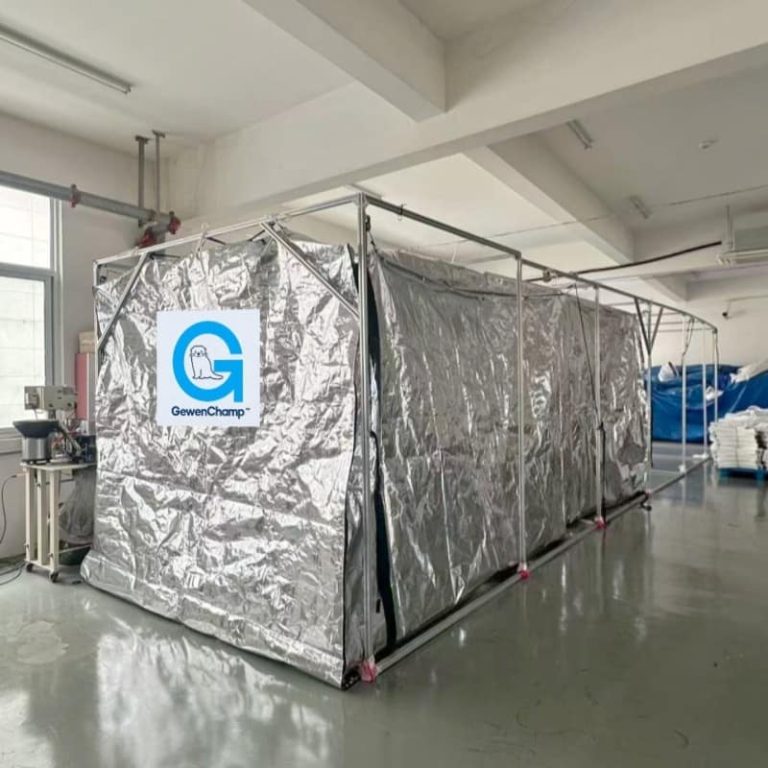
Container Liner Ventilation: Why It Matters for Safety
Read article →: Container Liner Ventilation: Why It Matters for Safety -
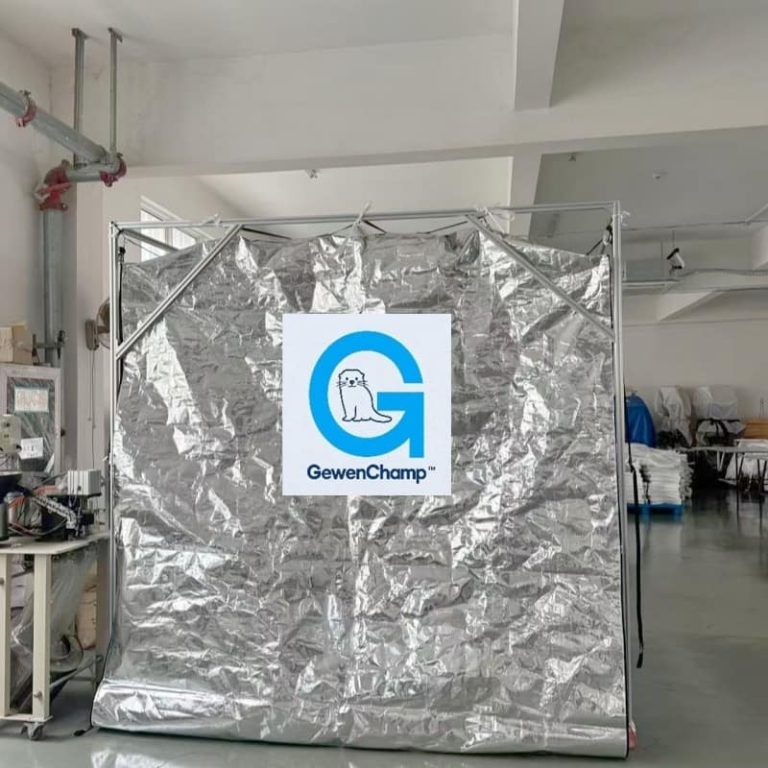
How to Strap and Secure a Container Liner for Safe Transport
Read article →: How to Strap and Secure a Container Liner for Safe Transport -
Top Loading Container Liner Setup: Essential Steps for Safe Bulk Loading
Read article →: Top Loading Container Liner Setup: Essential Steps for Safe Bulk Loading -
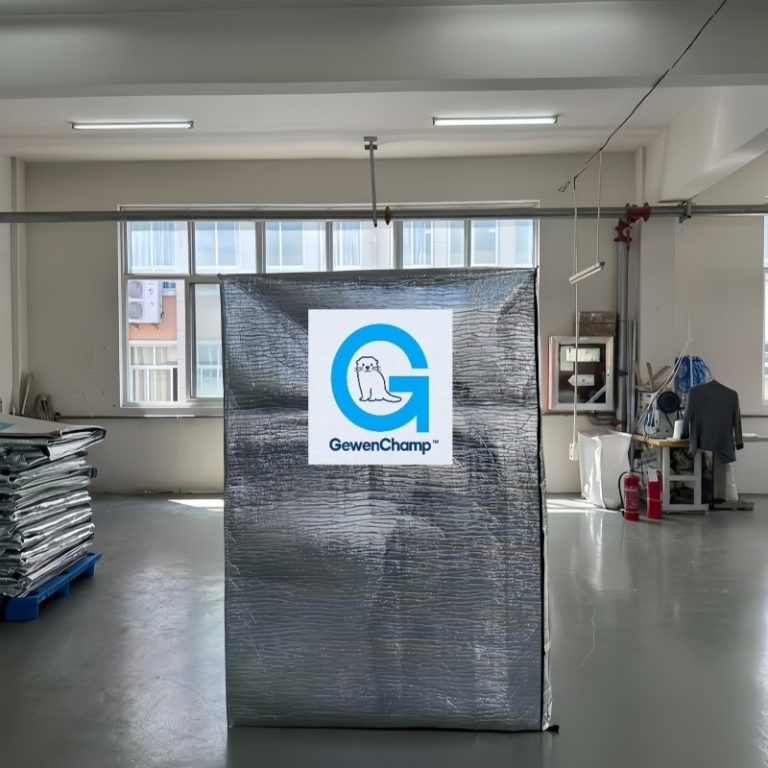
Container Liner Discharge: Gravity, Pneumatic, and Manual
Read article →: Container Liner Discharge: Gravity, Pneumatic, and Manual -
How to Use a Container Liner Filling Spout Without Spills
Read article →: How to Use a Container Liner Filling Spout Without Spills -
Container Liner Loading Tips to Prevent Cargo Damage
Read article →: Container Liner Loading Tips to Prevent Cargo Damage -
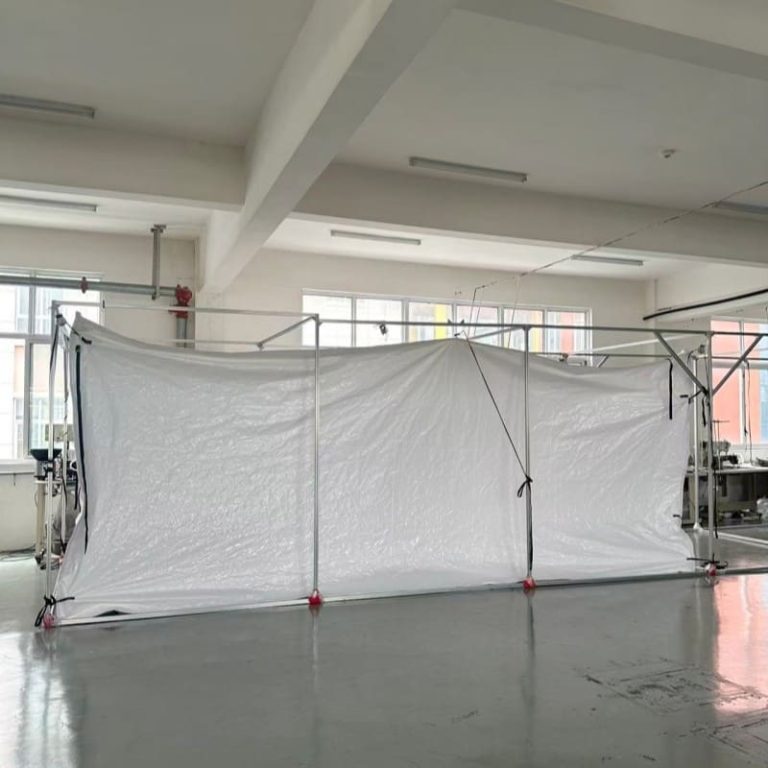
How to Install a Container Liner in a 40ft Container Correctly
Read article →: How to Install a Container Liner in a 40ft Container Correctly -
Installing Container Liners in 20ft Shipping Containers
Read article →: Installing Container Liners in 20ft Shipping Containers -
Container Liner Installation: Step-by-Step for 20ft & 40ft
Read article →: Container Liner Installation: Step-by-Step for 20ft & 40ft
Turn Your Reading into a Packaging Specification
Compare the relevant products, then share your cargo, loading method, dimensions and shipping conditions for a packaging discussion.